

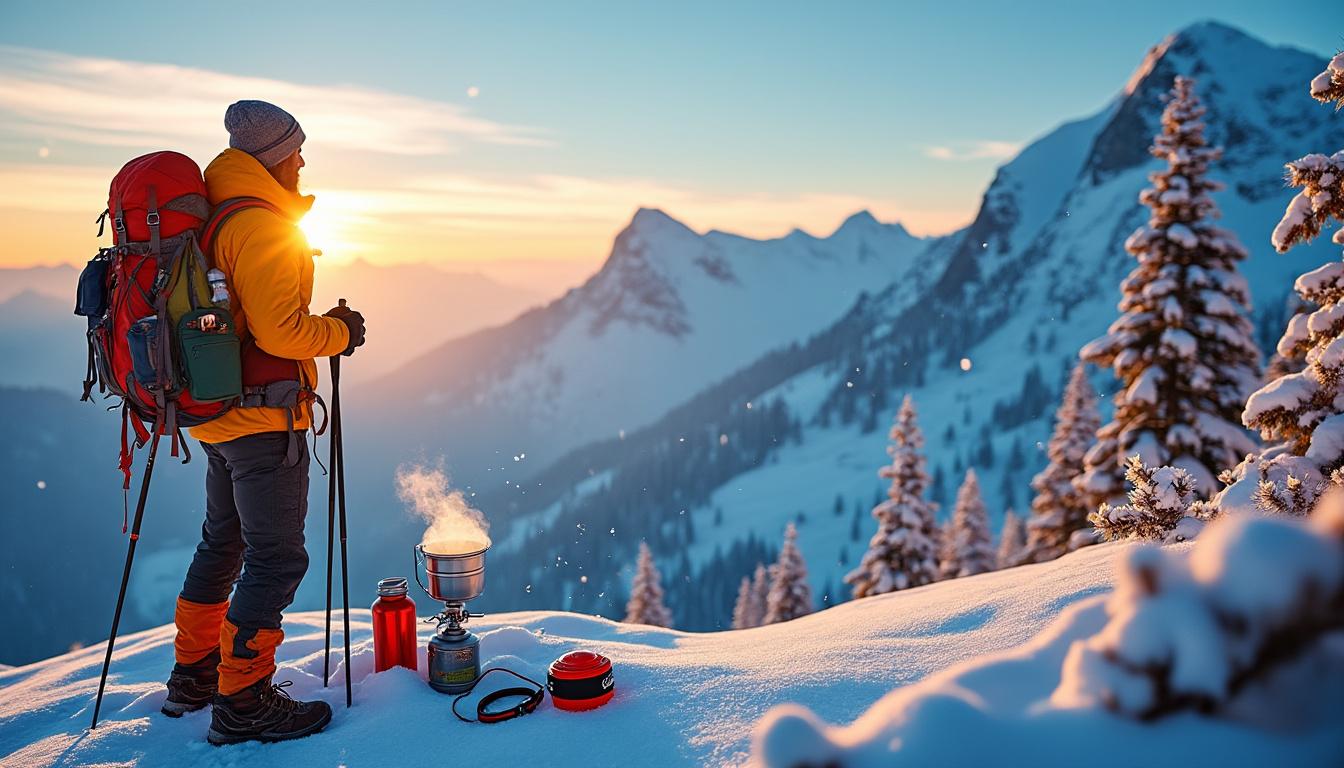
Smart Packing Essentials for Winter Travel: Layering, Materials, and Packing Essentials
When preparing for a winter travel expedition, the key is to pack smart rather than heavy. A fictional traveler named Alex serves as the thread through these sections: Alex plans each trip methodically, using layering and prioritizing packing essentials to stay mobile and warm. The result is fewer zipped-overflowing suitcases and more time enjoying the destination.
Start with the principle of three-layer clothing. The base layer manages moisture, the middle layer provides insulation, and the outer layer shields from wind, rain, or snow. Examples of effective base layers include merino wool or synthetic thermals — both maintain warmth even when damp. Cotton should be avoided because it retains moisture and saps body heat, especially on long snow travel hikes.
Choosing fabrics and items with purpose
Merino wool stands out for temperature regulation and odor resistance, which makes it ideal for multi-day trips. Synthetic baselayers (polypropylene or polyester blends) dry quickly and are budget-friendly for those following budget travel hacks. For midlayers, a thin down or synthetic puffer paired with fleece creates adaptable warmth without excess bulk.
For outerwear, look for a shell with taped seams and a waterproof-breathable membrane. Alex opts for a coat that is worn on flights to save suitcase space and to keep carry-on allowances manageable.
Packing strategy and space-saving tactics
Packing is about choices. Compressible items like down jackets and packable blankets free up space and allow for extra layers. The following checklist reflects a balance of warmth, safety, and mobility:
- Base layers: two shirts and one pair of longs for rotation
- Midlayers: fleece, merino sweater, or thin puffer
- Outer layer: waterproof shell or insulated coat (worn on plane)
- Footwear: waterproof boots with room for thick socks
- Accessories: touch-screen gloves, warm hat, scarf that doubles as a pillow
- Tech: portable charger, insulated bottle, hand warmers
- Health: lip balm, moisturiser, necessary medications
For those who like lists, a compact packing essentials checklist can be printed or saved to a phone. Alex packs heavier, less-needed items into a checked bag but keeps immediate necessities in the carry-on to cope with potential delays or lost luggage.
Practical examples and pitfalls to avoid
One common packing pitfall is overestimating how many thick sweaters are necessary. Instead, choosing versatile layers that can be combined reduces bulk. Another mistake is neglecting footwear: stylish boots without traction can short-circuit an otherwise perfect trip. Always prioritize functionality over aesthetics for outdoor treks.
Wrist or belt pouches for passports and a slim travel wallet reduce fumbling in freezing queues. Packing cubes and compression sacks help organize and separate dirty from clean items. Remember that small items like spare socks and gloves are trip-savers; Alex once salvaged a full day of hiking by switching wet socks in the middle of a trail.
For those planning specialized activities — skiing, snowmobiling, or ice climbing — consult targeted gear lists and local guides. Resources like Pro Packing Pitfalls highlight common mistakes and practical alternatives. For family trips, tips from family getaway guides can aid in organizing clothing and gear across multiple ages.
Strong packing habits reduce stress, clear the way for better travel preparation, and enhance the overall winter adventure. Alex’s final rule: if an item can be rented on arrival (skis, snowshoes), consider renting to free luggage space and simplify logistics. This insight encourages deliberate choices and lessens the burden of carrying unnecessary weight.
Managing Flight Delays, Airport Strategies and Travel Preparation for Snow Travel
Air travel in winter often requires contingency planning. Alex learned early that travel preparation means expecting delays and building buffer time into itineraries. Winter storms and icy runways can cause domino effects across schedules; booking early-morning flights reduces the likelihood of cascading cancellations.
Some practical strategies are consistently effective. First, avoid tight connections. A slightly longer layover can be the difference between catching the next flight and losing a day to airport lines. Booking flights that depart earlier in the day decreases exposure to cumulative delays that build up as the day progresses.
Essentials to keep in carry-on luggage
Keep a small kit in the carry-on with items to survive interruptions. Essentials include medications, chargers, snacks, a warm layer, and copies of travel documents. Alex always keeps a compact blanket and a set of hand warmers to manage sudden temperature drops in terminal or layover situations.
- Medications: prescriptions and a small first-aid kit
- Chargers and battery packs: phone and camera power
- Warm layer: thin puffer or extra midlayer
- Hydration snacks: electrolyte sachets and high-energy bars
One resourceful habit is to download airline apps and enable notifications. Airport screens sometimes lag, while apps update gate changes and delay notices almost immediately. For comprehensive seasonal guidance, see practical checklists like Holiday Winter Travel Tips and more general preparations at Essential Travel Holiday Tips.
Insurance, refunds and alternative transportation
Travel insurance becomes valuable when airlines are rigid about refunds. Policies covering trip interruption and baggage delay can convert chaotic days into manageable inconveniences. In some regions, train alternatives or rental vehicles provide resilient options when flights are grounded, though road travel in winter demands knowledge of local conditions and appropriate vehicle equipment.
Example: Alex once faced a canceled flight into a mountain town. By having purchased moderate trip protection and keeping a flexible schedule, the next day’s rescheduled train option allowed continuation of the trip without losing prepaid lodging. The expense of good planning proved less than the cost of emergency rebooking.
Airport navigation also benefits from a calm mindset and awareness of rights. Speak politely with airline staff; often, agents can secure seats on alternate flights or provide meal vouchers. If a long delay is predicted, request help sooner rather than later. In metro regions, local transit authorities publish winter guides — useful for last-mile planning; for example, commuter advisories might be found on pages like King County Metro Winter.
Finally, consider seasonal demand. Holiday periods bring heavier passenger loads and fewer open seats for re-accommodation. When possible, travel outside peak windows, or prepare for longer waits with entertainment options and a portable charger. Alex’s closing thought: accept that unforeseen changes are part of adventure travel and equip oneself to respond rather than react.
Cold Weather Safety, Protecting Electronics, and Outdoor Survival
Cold environments create specific hazards for both people and gear. The fictional thread with Alex highlights a critical incident: on a sub-zero hike, a phone powered down at a crucial moment because the battery froze, prompting a discussion about cold weather safety and equipment protection. Understanding how to keep devices and people functioning is essential for any winter adventure.
Electronics behave differently in cold conditions. Batteries drain faster, screens may lag, and condensation can harm components when devices transition between temperatures. Manufacturers warn that operating outside recommended temperature ranges can cause temporary shutdowns. Therefore, keep devices in an inside jacket pocket close to body heat and carry a high-capacity portable charger.
Practical tips to protect tech and maintain communication
Use small insulating pouches or wrap devices with a thin layer to reduce rapid temperature swings. Hand warmers tucked near a phone can extend battery life during extended outdoor excursions. Alex carries a compact power bank in the inner pocket and cycles it through use to maintain a charged phone for GPS and emergency calls.
Another useful habit is to keep essential offline maps and documents. When cell reception is weak or a battery dies, locally stored maps and notes can be life-savers. Preparation includes printing a small paper map of critical trail segments for serious backcountry trips.
Outdoor survival basics and practical examples
For winter hikes, survival basics include understanding hypothermia signs, carrying fire-starting tools, and knowing how to create an emergency shelter. Examples: layering a reflective bivy under clothing for short-term heat retention or building a snow trench with insulating materials can buy time while awaiting rescue.
Small, often forgotten items contribute disproportionately to comfort and safety: a whistle, insulated water bottle, chemical hand warmers, and a compact multi-tool. These items weigh little but provide high value in emergencies. Alex once used a chemical warmer to stabilize a companion showing early signs of hypothermia until professional help arrived.
Cold-weather safety also ties to planning and local knowledge. Check avalanche forecasts for mountain areas and consult local ranger stations. Comprehensive resources like holiday safety posts can complement technical guides on outdoor survival. For guided, unforgettable experiences that include safety briefings, see curated lists such as Unforgettable Outdoor Adventures.
Key safety behavior: plan exit routes, share itineraries with contacts, and set check-in milestones. This combination of practical gear protection and responsible planning keeps both devices and people resilient during winter travel. The central insight: readiness multiplies the margin of safety in cold environments.
Choosing Winter Gear and Footwear for Adventure Travel: Traction, Waterproofing and Function
Appropriate gear transforms a risky outing into a memorable winter adventure. Alex’s approach is systematic: evaluate activities, terrain, and duration, then select gear that covers those needs. For urban winter visits, waterproof boots and a stylish insulated coat may suffice, whereas alpine expeditions demand technical gear like crampons and insulated mountaineering boots.
Footwear deserves special attention. Slips and falls on ice are common, and inadequate boots can end a day early. Prioritize traction (rubber lug soles or detachable crampons), waterproof membranes, and sufficient toe room for thick socks. Boots with easy on/off closures streamline airport security and lodging transitions.
Choosing the right equipment for the activity
For downhill skiing, dedicated ski boots and properly maintained bindings are essential. For snow travel on mixed terrain, insulated hiking boots with gaiters keep snow out and warmth in. When planning to walk in towns and trails, test soles for stiffness and flexibility to ensure comfort during all-day exploration.
Other gear considerations include a headlamp with cold-rated batteries, trekking poles with snow baskets for stability, and a backpack with a waterproof cover. Alex prefers gear with modular capabilities — for example, a shell that accepts detachable insulation layers for variable conditions.
Comparative overview of common winter gear
| Item | Best for | Key features |
|---|---|---|
| Insulated shell jacket | General winter travel | Waterproof, breathable, packable |
| Mountaineering boots | Alpine adventure travel | Rigid sole, crampon compatible, high insulation |
| Waterproof hiking boots | Snow travel on trails | Lug soles, Gore-Tex-like membrane, ankle support |
| Microspikes/crampons | Icy routes | Detachable, lightweight traction, easy to pack |
This table helps clarify trade-offs between weight, warmth, and technical performance. For families or mixed-activity trips, rent specialized items like skis or snowshoes to reduce baggage load and cost, a suggestion echoed by travel savvy resources such as Thrilling Getaway Experiences.
- Checklist for footwear selection: waterproofing, traction, insulation, room for socks, and ease of use
- Checklist for outer layers: breathability, seam sealing, and compatibility with inner layers
- Checklist for technical items: ratings for cold performance, compatibility with other gear, and local rental availability
Choosing the right gear enhances enjoyment and reduces risk. For mountain trips, consult regional guidance and well-regarded destination tips such as Switzerland travel tips for alpine-specific advice. Alex’s method—assess, prioritize, test—turns purchasing into an investment in the quality of the overall trip. The final insight: proper gear unlocks both safety and freedom in winter landscapes.
Hydration, Comfort and Health Strategies for a Smooth Winter Adventure Travel Experience
Hydration and thermal comfort are central to sustaining energy and focus on winter trips. Cold air is dry and heating systems create dehydrating environments. Alex learns that feeling less thirsty does not mean hydration is adequate; proactive sipping maintains performance. This section explores methods to stay healthy, avoid fatigue, and manage indoor-outdoor temperature swings.
First, use an insulated water bottle to prevent liquids from freezing on cold treks. Electrolyte sachets help replace minerals lost through respiration and sweat. Travelers who prioritize hydration report fewer headaches and less fatigue, enabling longer, more enjoyable days outdoors.
Skin and respiratory care in cold climates
Cold, windy conditions combined with heated interiors can cause skin to dry and chap lips quickly. Include a high-quality moisturiser and lip balm in the daily kit. For those with sensitive airways, consider a scarf to cover the mouth in particularly frigid gusts; this warms inhaled air and reduces bronchial irritation.
Examples of small additions that make a big difference: barrier creams on cheeks to prevent windburn and a saline nasal spray to keep mucous membranes moist during flights.
Heat management and avoiding overheating indoors
Another common problem is toggling between extreme environments. Layering correctly avoids sweating while moving indoors. Alex typically removes the middle layer when entering heated spaces and stores it in a backpack to protect it from theft or wet conditions.
Practical heat-management tips include ventilating outer layers if sweating starts, drying damp garments promptly, and using moisture-wicking inner layers to keep skin dry. These habits minimize the risk of chills once back outside.
Practical list for health-focused winter travel
- Hydration tools: insulated bottle, electrolyte packs
- Skin care: moisturiser, SPF for reflective snow, lip balm
- Respiratory comfort: scarf, saline spray, or mask
- Sleep and recovery: earplugs, eye mask, and compression socks for long transport legs
Local services and seasonal promotions can make trips more affordable without sacrificing comfort. For instance, off-peak sales and bundled winter packages—sometimes promoted as winter savings—can free up budget for better accommodation or guided outings. Those traveling around major holidays should consider guides like Thanksgiving travel tips and holiday travel tips to reduce stress around peak travel times.
Ultimately, thoughtful cold weather safety and hydration strategies extend endurance, improve mood, and reduce the chance of minor ailments turning into trip-ending problems. Alex’s concluding rule: prepare for fluctuation and respect the environment; comfortable bodies create open minds for adventure. This is the insight to carry into every winter journey.