

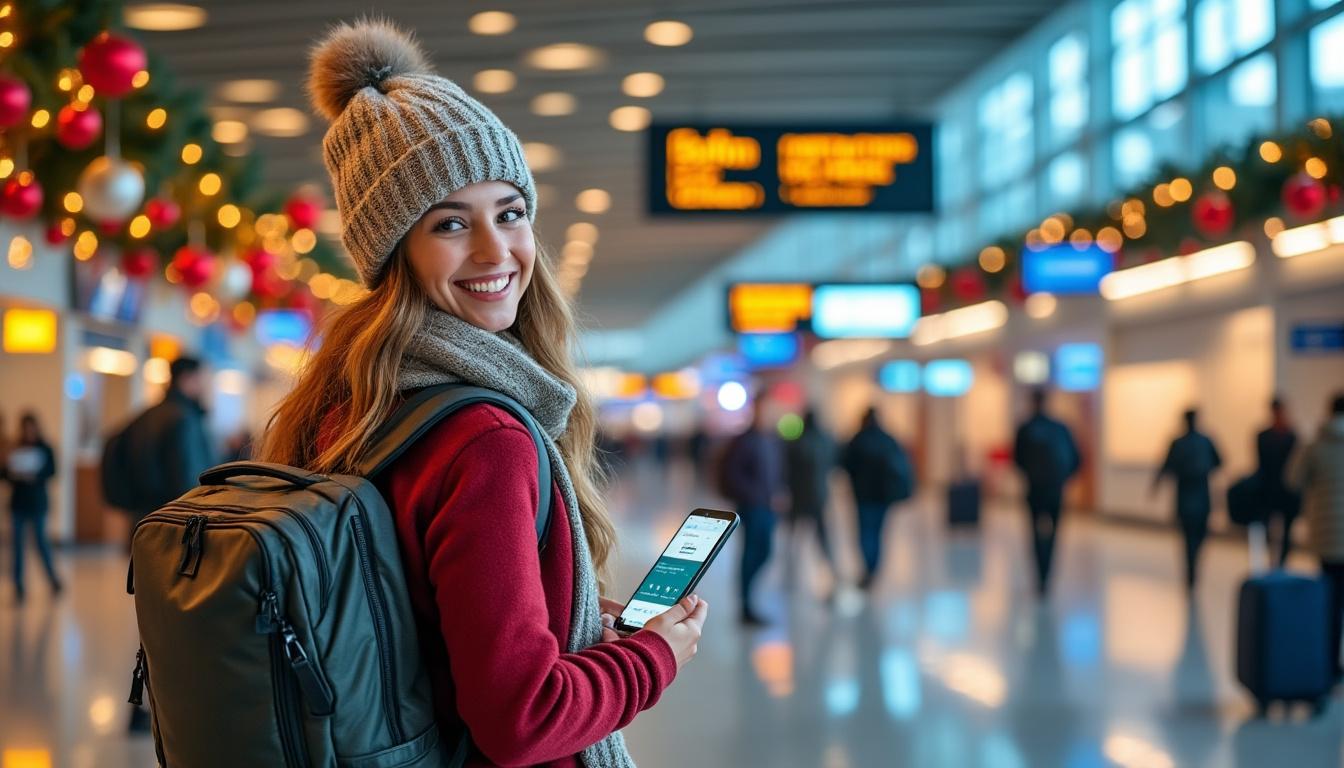
Flight Planning Strategies for Holiday Travel and Smooth Travel
Flight planning becomes the backbone of any successful holiday journey. When routes are crowded and schedules shift unpredictably, the right approach to booking, monitoring, and preparing can transform a fraught trip into smooth travel. Consider a fictional traveler, Alex, who must reach a family reunion during peak season. Alex treats flight planning as a project: research, redundancy, timing, and contingency measures. This mindset reduces travel stress and keeps options open when disruptions occur.
When to Book and Which Fares to Choose
Booking early often yields the best seats and prices, but strategic flexibility pays dividends. For example, selecting refundable or changeable fares can be a crucial safety net if weather or personal plans shift. Comparing the benefits of direct flights versus one-stop itineraries matters too: a slightly longer route with fewer connections can lower the risk of missed connections and lost luggage.
Professional travel planners recommend monitoring price trends for several weeks before purchase. Tools that alert when fares drop offer an edge, and loyalty programs or points can translate into substantial savings during the holiday season. If a cheaper fare appears after purchase, some airlines allow rebooking for a nominal fee—this is where vigilance during the booking window is rewarded.
Timing Your Travel and Airport Choices
Peak holiday days vary by region and holiday. Choosing non-peak travel days can shorten lines and reduce the probability of delays. Early morning flights often face fewer cascading delays, while late-night flights can be less crowded. If multiple airports are accessible, evaluate alternative airports for both price and reliability.
For travelers concerned about cancellations or strikes, contingency routing via major hubs can offer more options. Incorporating an extra buffer—arriving at the airport earlier than usual—can smooth security and check-in processes, particularly during holidays when lines lengthen.
Tools and Tactics for On-Trip Flexibility
Sign up for airline alerts and download carrier apps to receive real-time updates. Consider travel insurance that covers cancellations and missed connections. For business travelers or families with tight schedules, choosing itineraries with built-in buffers reduces the odds of needing emergency rebookings.
For travelers unsure about navigating disruptive local events like strikes or severe weather, authoritative resources and guides can help plan alternatives. A practical resource for strike-aware planning is this guide covering travel tips and strikes in Lisbon: advice on dealing with transport strikes. For smooth in-flight procedures and airport navigation, these tips for smooth flying are useful.
| Booking Window | Primary Benefit | Recommended Strategy |
|---|---|---|
| 3–6 months before | Best fares and seat choices | Purchase and set alerts for changes |
| 1–2 months before | Balance of price and flexibility | Opt for flexible fares if uncertainty exists |
| 2 weeks–1 month | Last-minute options, higher pricing | Use loyalty points or bundled deals |
In short, intelligent flight planning blends early action with flexible choices and situational awareness, offering the best chance of holiday travel that stays on track. The key insight: plan for both the expected and the unexpected to keep journeys resilient.
Packing Essentials and Luggage Strategies for Holiday Season Success
Smart packing is a cornerstone of packing essentials and directly impacts the ease of holiday travel. For families, retirees, and solo adventurers alike, a well-organized bag reduces friction at every touchpoint: security, connections, local transit, and accommodation. A character study of Maya, who travels with a multi-generational family, illustrates how packing decisions shape the trip experience: prioritized items, redundancy for crucial gear, and careful weight distribution prevented delays and replaced panic with calm.
Core Packing Essentials
Compile a prioritized list for essentials that includes travel documents, medications, chargers and power banks, weather-appropriate layers, and small comfort items like noise-cancelling earplugs. For winter holiday travel, include waterproof outerwear, insulated gloves, and footwear that supports walking on icy streets. Tech accessories—USB adapters, portable batteries, and compact travel routers—add convenience without bulk.
For the holiday season specifically, avoid packing wrapped gifts in checked luggage. Security may require unwrapping, so plan to travel with gifts unwrapped or ship them ahead. This practical rule preserves the element of surprise and eliminates screening delays.
- Documents pack: passports, boarding passes, vaccination records if needed.
- Health kit: prescriptions, hand sanitizer, masks, and cold/flu supplies.
- Clothing strategy: layering pieces and a capsule wardrobe for easy mixing.
- Tech and backups: chargers, adaptors, and digital copies of documents.
- Local needs: gifts unwrapped, adapters for plugs, currency or cards.
Strategies for Checked and Carry-On Luggage
Minimizing the amount in checked luggage reduces the risk of lost items. If checked baggage is necessary, pack a small change of clothes and critical items in carry-on luggage. This is especially important during holidays when baggage systems are under strain.
Use packing cubes to separate clothing types, and keep a dedicated pouch for electronics and chargers so security checks or seat-side retrieval are quick. If traveling with pets or outdoor gear (for example, hiking with a dog), consult specialized guides like advice for dog hiking to ensure compliance with airline and local rules.
Case Study: Turning a Packing Mistake into a Learning Opportunity
A midwinter traveler once packed bulky sweaters in checked luggage and arrived to find baggage delayed. Emergency improvisation using local shops and a strategic layering approach salvaged the weekend. The lesson: packing with contingencies—an extra sweater in the carry-on, travel-sized toiletries—reduces friction and maintains holiday spirit.
Emphasizing ease over perfection and equipping travelers with a short checklist for last-minute items prevents omissions. For first-time adventurers, reference guides such as first-time traveler tips for a baseline packing approach.
Packing essentials designed around redundancy, accessibility, and local conditions are what transform stressful packing moments into confident departures. The final insight: pack for resilience, not just for style.
Time Management and Navigation Tips to Reduce Travel Stress During the Holiday Season
Efficient time management and robust navigation tips are essential to tame the chaos of holiday travel. Consider a small travel consultancy, NorthStar Journeys, which plans itineraries that build in local transit buffers and staggered check-ins for larger groups. Their approach shows how time-buffering, realistic transit times, and local contingency routes prevent cascading delays and reduce travel stress.
Crafting a Realistic Itinerary
A tight schedule magnifies disruptions. Build itineraries that allow for unexpected waits, such as traffic jams or longer security lines. Allocate time for fatigue recovery—jet lag can derail schedules if ignored. For families, add flexible blocks where spontaneous activities can occur without affecting critical commitments.
Use map-based planning tools to estimate real travel times between nodes: airports, train stations, and accommodations. In urban centers with potential transit strikes or seasonal closures, alternative routing and rideshare contingency plans keep the day moving. A practical resource for busy schedules includes holiday-focused travel tips for crowded weekends: strategies for busy weekends.
Navigation Tools and On-the-Ground Strategies
Leverage smartphone navigation apps with offline maps and saved waypoints. Pre-download maps of destination neighborhoods and local transit guides. When exploring unfamiliar cities, select a meeting spot near a distinct landmark in case group members separate. Share an accessible itinerary with travel companions, including emergency contact numbers and a copy of reservation confirmations.
For those traveling during national holidays or long weekends, adapt the schedule to reflect limited business hours for shops and services. Staggered arrival times at venues and early check-ins with hotels can smooth transitions and prevent bottlenecks.
Managing Delays and Stress in Real Time
Stay proactive when delays occur. Communicate immediately with affected parties—hotels, rental agencies, or family members—and use airline customer service tools to request rebooking options. For those who prefer less friction, travel insurance that covers missed connections is an important consideration.
Case in point: a group traveling for a holiday concert faced a delayed flight; by notifying the hotel and rescheduling the transfer in advance, the group preserved two-thirds of the evening plans rather than losing the entire night. The decisive action was pre-arranged contact points and flexible reservations.
Adopting a mindset that values time cushions and navigational preparation reduces the emotional and logistical toll of travel disruptions. In short: build flexibility into every plan to keep holiday travel enjoyable and manageable.
Travel Safety, Health Precautions, and Protecting Against Holiday Scams
Travel safety spans physical safety, health measures, and guarding against fraud. The holiday season amplifies vulnerabilities: crowded venues, rushed transactions, and opportunistic scammers. Recent advisories emphasize vigilance against holiday imposter scams and the importance of health preparedness, especially as public health agencies have reported aggressive respiratory illness strains circulating during peak travel periods.
Health Preparedness and On-Trip Hygiene
Packing a compact health kit and verifying local healthcare access before departure is foundational. Monitor official health advisories and consider vaccination updates recommended for high-risk travelers. In 2025, public health communications highlight circulating aggressive flu strains; travelers should take standard precautions: hand hygiene, staying home when ill, and using masks in crowded indoor spaces if necessary.
For extended stays, research local pharmacies and urgent care options. Digital tools often provide translated medical phrases and pharmacy locations, making it easier to access care abroad.
Recognizing and Avoiding Holiday Imposter Scams
Holiday imposter scams are increasingly sophisticated. Scammers may pose as transportation providers, customer service agents, or accommodation platforms to extract personal data or payments. Protect against fraud by verifying contacts through official channels and avoiding payments through unsecured or unusual methods. Be cautious with unsolicited messages claiming to confirm bookings or request payment changes.
When communicating about reservations, always use verified phone numbers or official websites. If an offer appears too good to be true—especially last-minute discounted stays or transport—double-check through known platforms and read reviews from reliable sources. Practical consumer safeguards include direct contact with the carrier or lodging provider to confirm changes.
Practical Safety Habits and Local Awareness
Maintain situational awareness in busy terminals and attractions. Keep valuables in concealed carrying cases and use hotel safes for passports and backup documents. Share itineraries with at least one trusted contact and enable phone-based location sharing if traveling in unfamiliar or isolated areas.
For older travelers, specialized guidance on safety and local access is available; see tips tailored for retirees to ensure comfortable mobility: travel tips for retirees. Airport-specific security rules and recommendations can also help mitigate issues at smaller or regional airports: check TSA-related guidance before departure.
Strong travel safety habits, attentiveness to health advisories, and skepticism toward unsolicited contacts create a protective buffer during the holiday season. The essential takeaway: preparedness and verification protect both wellbeing and finances.
Practical Holiday Season Logistics and On-the-Ground Adaptation for Smooth Travel
Managing the myriad practicalities of holiday travel—from local transit to last-mile logistics—separates a stressful trip from a memorable one. The travel firm NorthStar Journeys designs contingency-rich plans that include local vendor contacts, flexible car services, and prebooked experiences that allow travelers to pivot gracefully when conditions change. These measures preserve time and energy, freeing travelers to enjoy the season.
Local Transport, Accommodations, and Flexibility
Book accommodations with flexible check-in policies during holidays. Confirm local transportation options and app-based services in advance; in some markets, rideshare availability dips during peak times. When traveling in remote or seasonal destinations, research shuttle schedules and holiday closures to avoid surprise gaps.
A useful resource for family-oriented planning and activities is this family getaway guide, which highlights planning considerations for multigenerational groups: family getaway tips. For winter-specific travel concerns and seasonal packing or transit advice, consult targeted winter travel resources: holiday winter travel tips.
Handling Local Disruptions and Seasonal Events
Seasonal events—festivals, parades, and closures—can both enrich and complicate travel. Staggered timing, advance ticketing, and local transit alternatives help reconcile enjoyment with logistics. Notify service providers if plans shift and keep digital copies of reservations accessible.
For example, a family arriving for a holiday parade rerouted around closures found an alternate meet-up point and a nearby café, turning a potential delay into an impromptu local experience. The success hinged on pre-researched landmarks and a shared group plan for contingencies.
Cost Management and Last-Minute Adjustments
Holiday travel costs can spike unpredictably. Track expenses with a simple budget app and allocate a contingency fund for last-minute rebookings or local emergencies. When possible, take advantage of shipping options for bulky gifts or equipment to avoid airline surcharges and reduce the burden on luggage. For location-specific seasonal travel ideas and budget hacks, explore autumn and seasonal getaway guides like autumn getaway planning.
Practical logistics depend on anticipation and local knowledge; combining those elements creates networks of small, effective choices that keep holiday travel smooth. The crucial insight: invest time in lay-of-the-land planning to unlock effortless on-the-ground adaptation.