

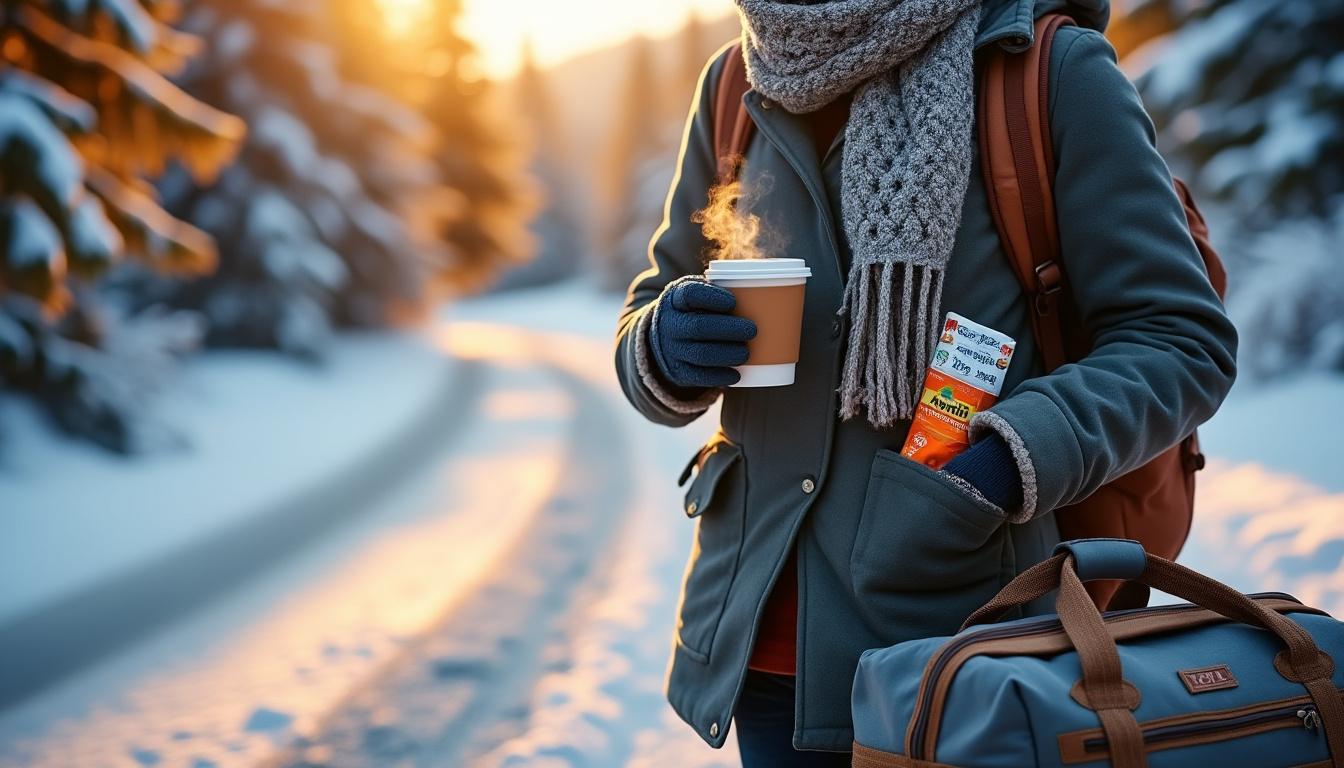
Plan Smart: Travel Preparation for Timely Arrival and Reduced Holiday Stress
Preparing a holiday journey in winter hinges on precise travel preparation. A traveler named Maya serves as a guiding character: she plans a trip from a snowy midwestern town to a coastal city to meet family. Her approach demonstrates how small, practical choices lead to timely arrival and lower holiday stress. Planning ahead reduces last-minute chaos and builds resilience against delays common in winter travel.
This section explains step-by-step planning essentials, using examples, checklists, and a realistic timeline. It highlights how to monitor weather, choose flexible bookings, and schedule buffer time in itineraries to keep the trip moving, even when snowfall or airport congestion threatens schedules.
Core Steps in Travel Preparation
Start by mapping the entire journey and noting potential pinch points: major highways prone to closures, regional airports with limited winter operations, and peak travel times around holidays like Thanksgiving and Christmas.
- Reserve flexible tickets to allow rebooking without hefty fees.
- Set calendar reminders for check-in and departure windows, adding an hour buffer beyond official guidelines.
- Monitor travel advisories from airlines and local authorities at least 72 hours before departure.
- Plan alternate routes in case of closed roads or diverted flights.
| Task | When to Do It | Why It Matters |
|---|---|---|
| Book flexible fare | As soon as dates are fixed | Allows changes without penalty for weather disruptions |
| Check weather forecasts | Daily from 5 days out | Provides early warning for large storm systems |
| Pre-plan transit to airport | 48–24 hours before travel | Ensures timely arrival despite traffic and snow |
Practical Examples and Anecdotes
Maya once rerouted an entire leg after studying snowfall patterns and local traffic cameras. Rather than drive overnight through freezing rain, she chose a morning departure with an extra two-hour buffer and an earlier ferry crossing, which preserved her arrival window.
Another traveler example shows how a couple used multi-modal planning: combining a hired driver for the first leg with a regional flight that had higher on-time performance, trading cost for reliability. This exemplifies the trade-offs that underpin good planning and how they can be tailored to personal priorities.
Quick Actionable Checklist
- Confirm alternate transport options (train, bus, regional flights)
- Pack a carry-on contingency kit with essentials
- Use apps to track flight status and gate changes
- Set up travel alerts for weather and road closures
| Alert Type | Tool/Service | Action Trigger |
|---|---|---|
| Flight delay | Airline app / SMS | Delay > 30 minutes |
| Road closure | State DOT maps / navigation app | Closure on primary route |
| Weather alert | National weather service | Winter storm watch/warning |
Helpful resources include curated guides concentrating on seasonal travel and destination-specific advice. For example, readers planning family adventures may find inspiration from lists of top outdoor family destinations, while planners seeking broad holiday strategies can consult holiday travel tips that cover timing, packing, and resilient booking options.
Key insight: Investing time in structured travel preparation produces a clear schedule with intentional buffers, a primary defense against holiday travel chaos and the best way to beat stress before it starts.
Pack to Stay Warm: Essential Winter Travel Tips for Clothes and Gear
Packing for winter travel requires deliberate choices to stay warm while keeping luggage manageable. The right clothing strategy combines insulation, moisture control, and flexibility that works across transit modes. This section outlines how to layer smartly, choose fabrics that perform in cold and wet conditions, and prioritize items that prevent delays caused by lost checked baggage.
Examples highlight how to compress bulky gear efficiently and how travelers can adapt when temperatures change during a multi-climate itinerary.
Layering System and Clothing Strategy
Focus on three layers: a base layer for moisture wicking, a mid-layer for insulation, and an outer shell for wind and water protection. This system makes it easy to adjust to airport heating, outdoor wind chill, or a chilly rental car.
- Base layer: Merino wool or synthetic alternatives to manage sweat.
- Mid-layer: Fleece or lightweight down for warmth without excessive bulk.
- Outer shell: Waterproof, breathable jacket to ward off snow and rain.
| Item | Why It Matters | Packing Tip |
|---|---|---|
| Down jacket | High warmth-to-weight ratio | Compress in a waterproof stuff sack |
| Insulated boots | Prevents cold feet, improves traction | Wear on travel days to save luggage weight |
| Gloves & hat | Critical for extremity warmth | Pack in carry-on for quick access |
Electronics, Medication, and Carry-On Essentials
Carry-on packing is central to stress-free travel. Electronics and vital meds belong in the bag that stays with the traveler. That prevents trips being derailed if checked luggage is delayed, a common holiday travel issue.
- Power bank and chargers for long layovers and cold-induced battery drain.
- Medication and prescriptions in original containers to avoid customs or security questions.
- Spare warm layer in carry-on should checked bags not arrive on time.
| Carry-On Item | Recommended Quantity | Why Pack It |
|---|---|---|
| Thermal travel blanket | 1 | Extra warmth for delayed flights |
| Change of clothes | 1 set | Comfort and hygiene if luggage delayed |
| Snacks | Assorted | Energy during long waits |
Budget-Friendly Packing Hacks and Destination Tips
Those balancing cost and comfort can use clever swaps—thermal liners instead of heavy parkas, compressible down vests for layering, and multipurpose accessories like neck gaiters that double as face coverings.
- Layer items to avoid extra checked baggage fees.
- Use compression cubes to save space and keep outfits organized.
- Research destination-specific tips, for example practical gear suggestions for alpine travel in Switzerland on pages like Switzerland travel tips.
Visual learners may prefer video walkthroughs for packing strategies and clothing demos. To see demonstrations of smart packing techniques for cold-weather trips, consult curated visual guides online.
| Packing Scenario | Best Solution | Example |
|---|---|---|
| Short weekend visit | Carry-on only with modular layers | Down vest + thermal base + shell |
| Extended mountain stay | Checked bag with boots, full outerwear | Boots packed, base layers in carry-on |
| Multi-climate trip | Mix of compressible insulation and light clothing | Pack a light sweater + foldable jacket |
For travelers balancing budgets and comfort, materials like merino and synthetic insulating layers offer excellent value compared to bulkier garments. Resources on saving while traveling—like budget travel hacks and smart budget travel strategies—deliver practical cost-saving ideas suited to winter packing.
Key insight: Prioritizing stay warm items in carry-on and using a focused layering system prevents temperature-related discomfort and ensures that unexpected delays don’t turn into cold, stressful experiences.
Road-Trip Readiness: Winter Safety for Driving and Timely Arrival
Road travel during the holidays frequently competes with unpredictable weather and heavy traffic, making winter driving preparedness essential for timely arrival. This section examines vehicle prep, emergency kits, driving techniques in snow and ice, and decision-making scenarios that help drivers avoid becoming stranded.
Follow the fictional traveler Maya as she prepares her rental SUV and plans stops, demonstrating practical choices that prioritize safety while keeping schedules reasonable.
Vehicle Preparation Checklist
Ensure the vehicle is ready for winter conditions: battery health, antifreeze levels, tires with adequate tread or winter-rated rubber, and functioning heating systems. A well-prepared vehicle reduces the risk of time-consuming breakdowns.
- Check tires and pressure before departure; cold air reduces pressure and affects handling.
- Top up fluids including windshield washer fluid rated for freezing temperatures.
- Test battery and heaters; cold reduces battery capacity and can cause failure.
- Carry traction aids such as sand, chains, or portable traction mats.
| Item | Purpose | Storage Location |
|---|---|---|
| Shovel | Dig out tires or clear snow | Trunk |
| Ice scraper | Clear windshields quickly | Glove compartment or door pocket |
| Jumper cables | Address battery failures | Trunk |
Driving Practices for Winter Conditions
Adapt driving technique to the weather: slower speeds, increased following distance, and gentle use of acceleration and braking. Anticipatory driving reduces shock and the need for abrupt maneuvers that can cause loss of control.
- Reduce speed in low-traction areas and on bridges.
- Use engine braking when descending hills to avoid skidding.
- Plan rest stops to avoid fatigue and to check road conditions.
| Condition | Recommended Speed | Following Distance |
|---|---|---|
| Clear roads | Normal posted speed | 2–3 seconds |
| Light snow | 10–20% below limit | 4–6 seconds |
| Black ice / heavy snow | Well below limit; consider stopping | 8+ seconds or pull over safely |
Scenario Planning and Decision Rules
Set decision points in the plan. For instance, if visibility falls below a specific threshold or road advisories recommend closure, stop at a safe location rather than attempt a risky leg. Maya’s plan includes pre-identified safe overnight stops and backup accommodations to ensure travel can pause without derailing arrival timelines.
- Decision threshold: visibility under 100 meters or official closure advisories means stop.
- Alternate lodging: book flexible hotels along the route in advance when traveling during forecast storms.
- Communication plan: keep contacts updated about progress and expected arrival windows.
For families and groups, route choices can prioritize roads with frequent services and higher maintenance levels. Those planning more adventurous winter routes can consult guides to regional adventure spots, such as curated lists of road trip adventures in the USA, while van-life enthusiasts may find specialized advice at vanlife adventure planning.
| Emergency Action | Immediate Steps | When to Use |
|---|---|---|
| Stuck in snow | Try traction mats, rock gently, avoid spinning wheels | Wheel spin with no forward movement |
| Skid | Look where to go, steer gently, avoid braking hard | Loss of steering control |
| Breakdown in cold | Stay in vehicle, call for help, conserve fuel | No heat and impossible to restart |
Key insight: Preparing the vehicle, following conservative driving practices, and setting clear decision thresholds protects both schedule and safety, enabling travelers to beat stress by turning uncertainty into manageable scenarios.
Fly Like a Pro: Airport Strategies to Ensure On-Time Flights and Stress-Free Travel
Air travel during the holidays often faces high demand and winter weather disruptions. Effective airport strategies increase the probability of timely arrival at the destination while minimizing holiday stress. This section offers techniques for navigating airports, making smart seat and connection choices, and handling delays or cancellations with calm and control.
Examples include selecting morning flights, pre-boarding options, and how to interact constructively with airline staff during rebooking scenarios.
Choosing Flights and Connections Strategically
Early morning flights typically enjoy higher on-time performance because there is less cumulative delay from earlier legs. Booking non-tight connections and using airlines with strong winter operations records reduces disruption risk.
- Prefer morning departures to reduce the chance of ripple delays.
- Allow generous connection times—especially when clearing customs or changing terminals.
- Select airlines with better winter reputations for rebooking priority and operational capacity.
| Choice | Benefit | Example |
|---|---|---|
| Direct flight | Fewer moving parts; less risk of missed connections | Pay a premium for reliability |
| Morning departure | Lower accumulated delays | Target first or second flight out |
| Flexible fare class | Easier rebooking | Buy refundable or flexible fares when schedules are tight |
Day-Of Travel Tactics
On travel day, keep essential items in a carry-on and stay connected to airline notifications. Check security line wait times, use expedited programs where available, and confirm gate assignments frequently.
- Arrive early to account for long security lines and winter traffic to the airport.
- Use mobile check-in and digital boarding passes to save time.
- Keep receipts and documentation for potential compensation or refunds if delays occur.
| Situation | Immediate Action | Who to Contact |
|---|---|---|
| Missed connection | Visit airline counter or use app to rebook | Airline customer service |
| Gate change | Move promptly and check airport maps | Gate agents |
| Flight cancellation | Request rebooking or ask for accommodation | Airline desk and airport services |
When delays happen, a calm, prepared traveler can transform the situation into time for rest or planning. Those traveling internationally can find region-specific guidance in resources such as Japan Tokyo insider tips or tailor strategies to seasonal deals via pages like fall travel deals.
Handling Gifts, Luggage, and Special Circumstances
Holiday travel often involves transporting gifts and specialty items. Wrapping before travel can be problematic at security; consider using gift bags or wrapping after arrival. For oversized winter gear, weigh the cost of checked baggage against the time risk of lost luggage.
- Ship bulky gifts ahead to reduce carry-on and checked baggage complexity.
- Label luggage inside and out with contact details in case tags are damaged in transit.
- Consider travel insurance for valuable items and tight schedules.
| Item | Best Practice | Reason |
|---|---|---|
| Gifts | Ship or place unwrapped in luggage | Security may inspect wrapped items |
| Bulky boots | Wear during transit | Saves luggage space and weight |
| Important documents | Carry in personal bag | Quick access and safety |
For those who prefer expert-curated experiences or alternative routes, resources detailing unique getaways and transfer options can inspire less-congested itineraries, such as the curated thrilling getaway experiences or destination-specific advice that reduces passenger volume at crowded airports.
Key insight: Selecting the right flights, allowing margin in connections, and carrying essentials in the cabin makes it far easier to maintain schedule integrity and achieve stress-free travel even when holiday volumes and winter weather create complications.
Mindful Routines and On-the-Go Strategies to Beat Holiday Stress During Winter Travel
The final leg of reducing holiday stress is managing the traveler’s state of mind and logistics during the journey. Mindful routines, backup planning, and simple comfort measures help maintain calm and ensure that cold-weather conditions do not escalate into crises. This section explores psychological strategies, entertainment and meal planning, and contingency rehearsals to handle setbacks gracefully.
Maya uses short routines and contingency rehearsals to stay composed; her tactics illustrate how small habits can transform the travel experience.
Mindfulness and Routine for Calm Travel
Short rituals reduce anxiety. Simple practices like breathing exercises before security, a five-minute stretch after long drives, or a ritual snack during layovers create predictable anchors in an otherwise changeable travel day.
- Morning ritual: a small stretch and hydration routine before leaving for the airport.
- Layover ritual: a short walk and a planned snack to reset energy and mood.
- Evening ritual: prioritize sleep or rest after arrival to reset for the holiday.
| Routine | When To Do It | Benefit |
|---|---|---|
| Breathing exercise | Before security or stressful lines | Reduces anxiety and improves clarity |
| Short walk | During layovers or long drives | Improves circulation and mood |
| Hydration break | Every 2–3 hours | Prevents fatigue and cold-related discomfort |
Entertainment, Food, and Family Logistics
For families, preparedness reduces friction. Pre-load devices, pack portable chargers, and bring lightweight activities to occupy children during delays. Meal strategies—packing filling, non-perishable snacks—prevent hunger-driven stress at crowded terminals.
- Device management: offline playlists, downloaded movies, and a shared charging plan for the group.
- Snack kit: protein-rich options and small treats to maintain morale.
- Shared tasks: assign simple roles (navigator, timekeeper, kit manager) to travelers to spread responsibility.
| Group Role | Responsibility | Why It Helps |
|---|---|---|
| Navigator | Monitor traffic and routes | Keeps driver informed and calm |
| Timekeeper | Maintain schedule and alerts | Prevents missed windows |
| Kit manager | Hold emergency items | Quick access to essentials |
Backup Plans and Post-Arrival Strategies
Accepting that disruptions happen is part of resilient travel. Prepare backups: a secondary accommodation option, funds reserved for alternate travel, and a prioritized list of must-do items upon arrival. For those seeking outdoor retreats or quiet destinations away from holiday crowds, consult resources listing unique outdoor experiences and hidden gems to decompress after travel, such as unforgettable outdoor adventures and hidden gems in American adventures.
- Reserve contingency funds for rebooking or last-minute lodging.
- Identify quiet arrival activities to ease transition for travelers and family members.
- Keep local emergency numbers and assistance contacts handy in both phone and paper form.
| Contingency | Preparation | Outcome |
|---|---|---|
| Missed connection | Flexible fare or standby options | Quicker rebooking and less stress |
| Luggage delay | Carry-on essentials and tracking tags | Minimal disruption to arrival plans |
| Road closure | Alternate lodging and route options | Maintains safety without lost time |
For budget-conscious travelers who still want reliability, explore planning strategies such as smart budget travel strategies and budget travel hacks to ensure comfort without overspending. Families mapping winter escapes can combine child-friendly destinations like top outdoor family destinations with mindful pacing to make the holidays both joyful and manageable.
Key insight: Simple routines, clear role assignments, and pre-built contingency plans transform an unpredictable winter journey into a sequence of manageable choices that help travelers beat stress and arrive ready to enjoy the season.