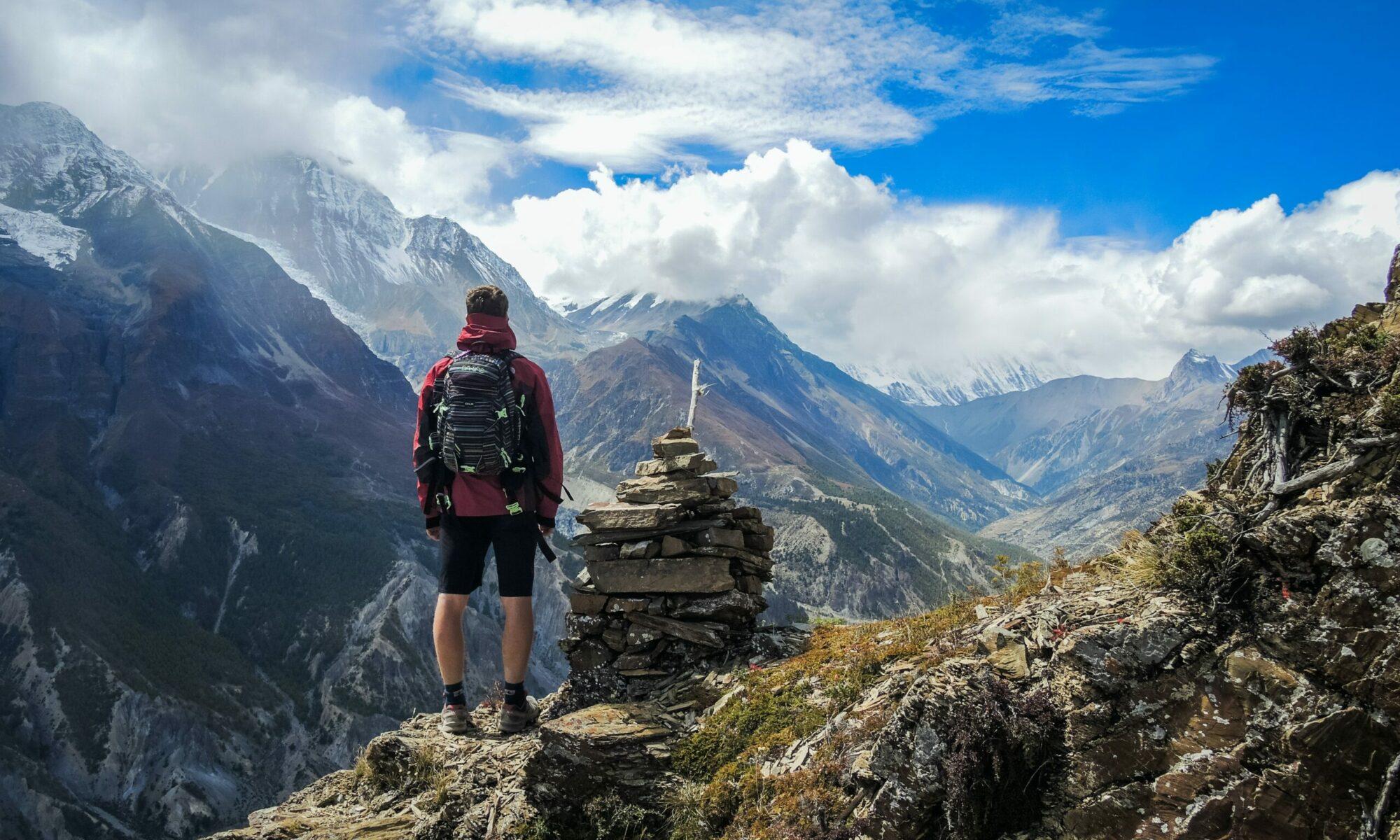


Across coastlines, mountain ridges and remote wildernesses, a new generation of thrilling getaways redefines what a travel bucket list can be. This piece gathers high-impact adventures— from whitewater expeditions and volcanic treks to immersive wildlife safaris and multi-day human-powered journeys—assembled to spark planning, fuel ambition and guide safe, smart choices. It draws on the latest operator models, gear advances and storytelling platforms so readers can match appetite to experience. Expect pragmatic comparisons, concrete examples, and a recurring traveler persona who navigates tradeoffs between risk, reward and sustainability.
- Curated categories of adrenaline, immersion and endurance trips that belong on every serious travel bucket list.
- Operator and gear signals to look for—brands and platforms that elevate safety and storytelling.
- Actionable planning tips for budget, booking windows, and insurance when dealing with third-party providers.
- Concrete case studies and sample itineraries to help turn ideas into reservations.
- Resources and reading links to authoritative roundups and seasonal travel advice for further research.
Epic Outdoor Adventures to Add to Your Thrilling Getaway Experiences List
Mountains, glaciers and desert ridgelines offer defining moments for travelers seeking transformative physical challenges. An engaging sequence of trekking, technical scrambling and overnight hut-to-hut routes forms the backbone of many bucket lists, where sustained effort yields singular panoramas and deep cultural contact.
Travelers often choose operators that balance local expertise and group logistics; names such as G Adventures, Intrepid Travel and REI Adventures come up repeatedly for guided multi-day treks. For a single long itinerary, imagine a seven-day Patagonia circuit of Fitz Roy and Cerro Torre that pairs high-altitude dayhikes with evenings in local estancias—this blends challenge with hospitality and conservation-minded guides.
Key trip types and what they demand
Trekking options suit a spectrum of fitness levels and risk tolerance. Lightweight thru-hikes ask for endurance and careful packing; technical alpine routes require ropes, helmets and guide certification. Volcano hikes combine steep ascents with unique geology, sometimes requiring permits.
- Dayhike classics: Accessible routes near national parks, ideal for acclimatization and photography.
- Multi-day treks: Expect basic refuges, communal meals and a rhythm of mileage and rest.
- Technical climbs: Require certified guides, climbing gear and contingency plans for weather.
| Trip type | Typical length | Skill level | Recommended operator |
|---|---|---|---|
| Patagonia Circuit | 5–10 days | Intermediate | G Adventures, Intrepid Travel |
| Kilimanjaro Trek | 6–9 days | Challenging | REI Adventures, local operators |
| Volcano Boarding | Half-day experience | Beginner to Intermediate | Local outfitters |
A useful guidepost is to compare trip seasons and permit windows. For example, Patagonia is best in the austral summer; Kilimanjaro requires attention to acclimatization days. Booking windows for peak seasons often open months in advance through third-party platforms that show estimated pricing and availability—information that shifts with demand.
Consider a recurring traveler character, Maya Laurent, who plans year-round: Maya structures a two-year plan that alternates endurance treks with lower-impact explorations. She pairs a demanding ridge hike with a subsequent cultural stay to recover and absorb local traditions, maximizing both fitness and meaning.
Practical packing and gear signals
High-performance outerwear from brands like The North Face and recordable adventure documentation via GoPro have reshaped expectations. When an operator lists mandatory equipment, that is a red flag for trip seriousness; gear rental options can reduce upfront cost for infrequent travelers.
- Layering systems: Base, insulating and shell layers tuned to altitude and season.
- Footwear: Break in boots well before departure to avoid blisters on long days.
- Navigation: Guides should use GPS backup, and any solo segments require satellite communication plans.
| Gear | Why it matters | Rental available? |
|---|---|---|
| Insulated shell | Protection against wind and precipitation | Often |
| Technical boots | Foot support on uneven terrain | Sometimes |
| Satellite communicator | Emergency contact in remote zones | Yes |
For booking inspiration, curated roundups highlight must-do options and help compare seasons: lists like the one at Bucket List Travels and broader compilations such as The Ultimate Bucket List illustrate the range of mountain and trail adventures to consider. Strong closing insight: choose a sequence of treks that builds skill, enhances cultural connection and leaves room for recovery before the next big challenge.

Adrenaline Water and Air Pursuits for the Ultimate Thrilling Getaway Experiences
Water and air adventures are visceral: the sudden release of adrenaline, the sensory overload, and a strong visual story make these activities perennial choices for bucket lists. From heli-ski drops to surf expeditions and whitewater rafting, these pursuits demand specialized logistics and an emphasis on safety.
High-profile events and brands have elevated expectations. Red Bull Adventure and similar producers have turned brand-sponsored events into testing grounds for extreme sport techniques and storytelling. Equipment makers such as GoPro amplify personal narratives, and airlines like Virgin Atlantic have experimented with premium adventure travel packages that combine international connectivity with curated experiences.
Top water and air experiences
- Whitewater rafting: Multi-day river expeditions that range from technical Class IV–V trips to scenic Class II–III float trips.
- Heli-skiing and heli-boarding: Access remote alpine faces, requiring certified pilots and avalanche-aware guides.
- Big wave surfing: Seasonal, location-specific, often requiring jet-boat support and spotters.
| Experience | Risk level | Typical operator | Best season |
|---|---|---|---|
| Whitewater rafting (Class V) | High | Specialist outfitters | Spring melt |
| Heli-skiing | High | Guided heli operations | Winter |
| Surf expedition | Medium–High | Local surf charters | Regional swells |
Case study: a coast-to-coast surf-and-hike trip combines three elements—coastal hikes, surf clinics and a final boat-supported big-wave session. The traveler persona arranges staged conditioning calls with trainers, books local surf coaches, and confirms safety boats and redundancy plans with operators. This modular approach reduces single-point failure while maintaining high challenge.
Gear and media interplay is important. A modern adventure often includes a camera plan: helmet-mounted capture, drone coverage, and a daily story edit. Partnerships with brands such as The North Face for technical kits and GoPro for footage are common among operators that emphasize content creation as part of the guest experience.
- Verify operator credentials: Check guide certifications, emergency protocols and gear checklists.
- Consider insurance: Specialized activity coverage is essential for heli-ops and high-grade rafting.
- Plan recovery: Schedule rest and local cultural activities to avoid burnout after intense activity.
| Pre-trip checklist | Why it matters |
|---|---|
| Medical clearance | Identifies conditions that elevate risk in high-intensity pursuits |
| Equipment test | Avoids failure in remote settings |
| Emergency contacts & back-up plans | Reduces response time in critical incidents |
Operators with strong safety records and transparent policies are non-negotiable for these experiences. For seasonal planning and travel deals, pages like summer-getaway strategies and winter savings and seasonal tips provide practical timing guidance. Insightful closing line: adrenaline is best experienced with careful preparation and trusted partners who prioritize client safety without diluting challenge.
Immersive Cultural and Wildlife Expeditions to Elevate Your Travel Bucket List
Immersive trips that center wildlife encounters, indigenous exchanges and place-based storytelling deliver a different kind of thrill—the emotional intensity of meeting another species or culture at close range. Reputable platforms and operators craft itineraries balancing ethics, safety and local benefit, and those are the trips worth prioritizing.
Organizations like National Geographic Expeditions, Lonely Planet Experiences and community-minded offerings such as Airbnb Adventures or curated small-group tours emphasize conservation, scientific insight and local livelihoods. These operators typically embed naturalists or cultural interpreters, turning a standard visit into a structured learning experience.
Wildlife encounters and ethical considerations
When planning wildlife-focused adventures—tracking orangutans in Borneo, polar expeditions, or African safaris—ethical guidelines are central. Responsible ops avoid direct contact that stresses animals, and they contribute fees to local conservation work. For instance, guided orangutan treks combine observation windows with habitat restoration donations.
- Choose low-impact viewing: Operators that enforce distance rules and limited group sizes protect wildlife.
- Support local economies: Select tours that employ and train community guides.
- Educate before travel: Pre-trip briefings on behavior and cultural norms reduce negative encounters.
| Experience | Ethical markers | Typical season |
|---|---|---|
| Orangutan tracking | Restricted viewing hours, local conservation fees | Dry season |
| Arctic wildlife cruise | Small ship guidelines, no landing in sensitive areas | Summer months |
| African safari | Community-led camps, anti-poaching support | Dry season |
One practical thread follows the fictional guide-company “Aurora Trails”, which partners with National Geographic-trained naturalists to create multi-day wildlife immersions. Their itineraries include camera etiquette, biodiversity briefings, and small donations to local conservation trusts, aligning visitor curiosity with measurable benefits.
- Pre-book educational sessions: Lectures or briefings deepen the visit and provide safer observation protocols.
- Pack for low-impact travel: Avoid single-use plastics and bring optics to reduce noise and intrusion.
- Verify contribution structures: Confirm how operator fees support local conservation.
| Operator trait | Indicator | Red flag |
|---|---|---|
| Local employment | Guides from nearby communities | All foreign staff |
| Transparency | Clear conservation fees | Vague promises of “community benefit” |
| Group size | Small, capped numbers | Large convoy-style tours |
For further inspiration and curated suggestions, articles such as those at Travel + Leisure and unique roundups on Wanderlust Storytellers highlight varied immersion models. Final insight: the most memorable wildlife trips prioritize respect—thrill is sustained when it aligns with long-term stewardship.
Active Multi-Day Journeys: Trails, Pelotons, and Long-Distance Adventures
Long-distance travel by foot, bike or rail reframes the bucket list as a sequence of sustained moments. These journeys reward consistency and logistics savvy more than momentary adrenaline; the challenge lies in duration, route planning and resilience to weather and mechanical surprises.
Popular choices include cross-country cycling routes, long-distance hikes like the Camino de Santiago, and classic rail journeys that stitch continents together. Operators such as G Adventures and Intrepid Travel often offer modular departures that pair guided segments with self-guided days to balance independence with support.
Why multi-day journeys endure
Endurance travel tests planning and patience, delivering long arcs of reflection and storytelling. Riders and hikers develop a rhythm—daily milestones that build toward cumulative satisfaction. Group dynamics matter on extended trips, so operator selection and pre-trip communication about pace and expectations are central.
- Route reliability: Confirm trail maintenance and service points for long border-crossing trips.
- Resupply planning: Strategize food, water and mechanical support at predictable nodes.
- Accommodation mix: Blend camping with occasional guesthouse nights to restore morale.
| Journey | Typical duration | Support level |
|---|---|---|
| Transnational cycling tour | 7–21 days | Support vehicle optional |
| Long-distance hike (e.g., Camino) | 10–30 days | Self-guided to guided |
| Scenic train odyssey | 2–10 days | All-inclusive options |
Maya Laurent’s planning illustrates good practice: for a 14-day cross-country cycling trip she selects an operator that provides mechanical support, carries a lightweight tent and schedules easy days after mountain passes. She tracks mile markers and local weather patterns to anticipate supply caches.
- Test equipment on day trips: Avoid surprises by confirming fit and function before committing to long stages.
- Set clear pacing expectations: Agree on daily mileage ranges with co-travelers and guides.
- Backup navigation: Carry physical maps and offline GPS backups.
| Packing priority | Example items |
|---|---|
| Comfort | Cushioned saddle/insoles, breathable layers |
| Repair | Multi-tool, spare tubes, patch kit |
| Navigation | Printed cues, GPS device, compass |
Further seasonal and regional planning tips are available—insights such as European getaway tips and autumn planning strategies help align itinerary windows and gear choices. Closing insight: long-haul active journeys reward iterative planning and incremental skill-building; each stage is a milestone in an evolving travel narrative.
Practical Planning, Safety, and Gear for Thrilling Getaway Experiences
Transforming a thrilling idea into a safe, bookable trip requires attention to logistics: travel windows, operator transparency, gear readiness and insurance. Third-party providers often publish estimates of pricing and availability, but these are subject to change; careful cross-checking and flexible itineraries reduce friction.
Operators and platforms usually display provisional costs and inclusions; it is essential to read the fine print because taxes, fees and extra charges can appear at booking. The traveler persona models best practice by maintaining a booking checklist, confirming what is included and purchasing specific activity insurance for high-risk elements.
Booking and third-party considerations
When using independent providers, treat displayed prices as estimates until confirmation. Operators occasionally update availability and product details without notice; therefore, it is prudent to verify details directly on the provider’s site. For broader context and curated inspiration, readers can consult lists and articles from reliable sources such as Daily Dive and The Broke Backpacker.
- Confirm inclusions: Meals, transfers, permits and emergency evac plans.
- Check cancellation policies: Understand how operator and third-party rules interact.
- Secure specialized insurance: Activity-specific coverage for heli-ops, high-altitude rescue or remote medical evacuation.
| Planning element | Action | Why it matters |
|---|---|---|
| Pricing transparency | Request final invoice with taxes and fees | Avoids surprise costs |
| Operator vetting | Check reviews and safety records | Reduces operational risk |
| Insurance | Purchase activity-specific policy | Ensures access to rescue and medical support |
Practical travel windows and deal hunting can be achieved by aligning flexibility with seasonal recommendations. Sites such as luxury getaway deals and tropical getaway planning offer frameworks for timing and value. For event-based planning, holiday and weekend strategies like Labor Day travel safety and Memorial Day tips help optimize peak travel behavior.
- Maintain a document packet: Emergency contacts, local embassy info and digital copies of permits.
- Brief companions and family: Share itinerary and daily check-in times for remote trips.
- Validate medical readiness: Vaccinations and prescriptions aligned to destination risks.
| Final pre-departure checks | Checked? |
|---|---|
| Activity insurance policy active | Yes / No |
| Local emergency numbers saved | Yes / No |
| Operator confirmation received | Yes / No |
One final operational note: information supplied by third-party providers often lacks final tax and fee details and may change without notice; therefore, direct verification with the provider is essential before purchase. For extra preparation, consult seasonal and safety guidance such as winter travel tips and summer getaway strategies. Closing insight: meticulous planning and operator alignment turn daring ideas into sustainable memories.
How to choose the right operator for high-risk adventures?
Prioritize operators with clear safety protocols, certified guides, transparent pricing and positive independent reviews. Confirm what is included, ask about emergency evacuation procedures, and prefer firms that employ local guides and contribute to conservation or community programs.
What insurance is recommended for extreme getaways?
Choose policies that explicitly cover the activities planned—heli-skiing, big-wave surfing, and high-altitude trekking often require supplemental coverage. Verify medical evacuation, trip cancellation and equipment loss clauses.
How to minimize environmental impact during wildlife expeditions?
Select small-group operators that enforce viewing distances, support local conservation fees, and provide pre-trip education. Pack out waste, avoid single-use plastics, and follow guide instructions for interaction windows.
When should bookings be made for peak-season adventures?
Book high-demand adventures several months in advance—some permits and peak-season slots open up early. For flexible travel, monitor operator release calendars and off-peak windows to find value.