

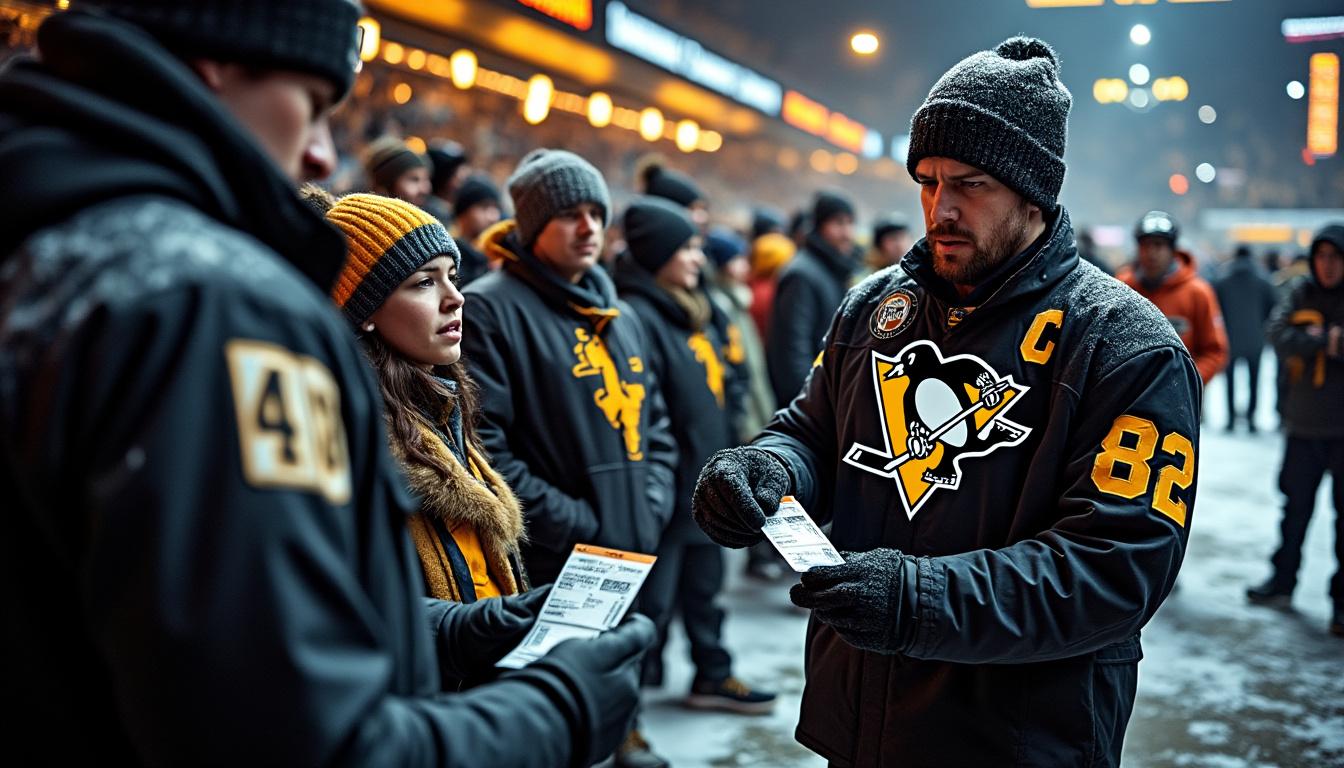
The rush starts long before puck drop. A heated Penguins versus Flyers playoff game in Pennsylvania draws loud crowds, inflated resale prices, and the worst kind of opportunists. State officials are warning fans to slow down, check every detail, and treat ticket buying with the same caution they’d use for any high-pressure purchase tied to event safety.
Beware Of Ticket Scams Before The Penguins-Flyers Playoff Game In Pennsylvania
Pennsylvania Attorney General Dave Sunday and the Bureau of Consumer Protection have issued a clear warning ahead of this hockey matchup: scammers know demand spikes when rivals meet in the postseason. That’s when fake listings, bogus merchandise offers, and shady bundle deals start circulating fast.
The pattern is familiar. A fan sees discounted seats through a pop-up, a social post, or a sponsored search result, clicks in a hurry, and lands on a page designed to look close enough to a trusted seller. One swapped letter in a web address can be enough to trigger fraud, and by the time the buyer notices, the money is gone and the fake tickets won’t scan at the gate.
That warning reaches beyond sports. Anyone who has read broader advice on smart holiday planning or checked practical guidance for safe travel purchases will recognize the same rule: urgency is the scammer’s best friend.
Why High-Demand Hockey Games Attract Fraud
Rivalry games create perfect conditions for ticket scams. Fans are emotional, seats are limited, and prices move quickly enough to make a bad deal look plausible. Add social media resale posts and paid search ads, and the buyer can get pushed toward a fake checkout in minutes.
There’s another trap here: leaving a legitimate site through banner ads or pop-ups. The official warning is blunt on this point. Once a buyer clicks away to a third-party page chasing a supposed bargain, many of the protections tied to the original seller disappear.
Honestly, the “too good to be true” deal is still the oldest trick in the book, especially when it includes hotel rooms, transport, and seats bundled at a price that doesn’t match playoff demand on game week.
That pressure gets worse as game day gets closer, when panic buying replaces common sense and spelling mistakes in a URL stop looking like red flags.
How To Spot Fake Tickets And Suspicious Sellers Online
The safest move is boring, and that’s fine. Use websites already known to the buyer, type the address directly when possible, and read the full URL before entering payment details. Spoofed sites often mimic major resale platforms or team-related pages with tiny edits that slip past tired eyes.
Search engines add another layer of risk. Less reliable sellers often flood results with ads before major events, trying to appear above trusted outlets. Sponsored placement isn’t proof of legitimacy, and a polished page design doesn’t mean the seller is real.
Cart review matters too. Some resale sites load extra fees at the final stage, turning what looked like a fair seat price into a nasty surprise. Hidden charges aren’t always a scam, but they are a reason to pause before clicking the last payment button.
| Warning Sign | What It Often Means | Safer Response |
|---|---|---|
| URL with odd spelling or extra characters | A spoofed website imitating a known seller | Leave the page and type the official address manually |
| Heavy discount on sold-out seats | A bait offer tied to fake tickets or stolen listings | Compare prices across trusted platforms before buying |
| Pop-up or banner promising last-minute bargains | Redirect to an unprotected third-party checkout | Avoid clicking and stay on recognized sites |
| Seller requests crypto, gift cards, or wire transfer | High risk of irreversible payment fraud | Use a credit card instead |
| Checkout total jumps at the final step | Unexpected fees or manipulative pricing | Review the full cart before confirming |
A quick practical check helps more than most fans think:
- Inspect the URL for misspellings, extra dashes, or strange endings.
- Ignore pop-ups advertising miracle deals during playoff week.
- Review the cart total before payment, including service fees.
- Pay by credit card when possible for stronger dispute protection.
- Walk away if the seller pressures for instant payment.
Search Engines, Spoofing, And The Rush To Buy
A fan named Marcus sees seats promoted above the usual seller in search results, clicks fast, and notices only later that one letter is off in the web address. That’s how spoofing works: not with giant errors, but with tiny ones. The scam counts on excitement doing the rest.
Grammar mistakes, awkward page text, and strange customer service claims still matter. They seem minor until payment fails, the confirmation email never arrives, or the barcode gets rejected outside the arena doors on a cold night in Pittsburgh or Philadelphia.
Those details feel small at a desk or on a phone screen. At arena entry, they become the whole story, usually about 30 minutes before faceoff.
Safe Payment Methods And In-Person Ticket Exchange Security
When a seller insists on gift cards, money orders, cryptocurrency, or a wire transfer, the answer should be no. Those payment methods are favorites for scammers because the money is hard to recover once sent. A credit card gives the buyer a stronger path to dispute a charge if the purchase goes unfulfilled.
Buying from someone never met in person is another weak point, especially through rushed marketplace messages. If an exchange has to happen face-to-face, it should happen in a safe, well-lit area. Many police departments offer designated safe transaction spots, and that extra caution is part of real security, not paranoia.
That mindset applies beyond sports nights. Travelers use the same common-sense filters when handling transport bookings, excursions, or resale offers abroad, which is why readers often keep broader guides like money-saving travel advice and trip safety planning bookmarked before high-demand purchases.
What Smart Buyers Should Do If Something Feels Off
Pause. That’s the move most scams are built to prevent. If the seller won’t answer direct questions, changes the meeting place at the last minute, or avoids protected payment methods, the deal is already telling its own story.
There’s no prize for buying fastest. There is a real cost to buying badly, especially when families are traveling across the state for a rivalry game and discovering at the door that the seats never existed.
Good event safety starts before anyone reaches the arena district, often with one decision made at a checkout page the night before.
What To Do After A Ticket Scam In Pennsylvania
If a purchase goes wrong and the seller never delivers, contact the credit card company right away and dispute the charge. Speed matters here. Waiting too long gives the scam more room to settle into paperwork and makes recovery harder than it needs to be.
Victims can also report the problem to Pennsylvania’s Office of Attorney General through the Bureau of Consumer Protection. Complaints related to tickets, travel services, or merchandise can be filed at the attorney general website, by email at [email protected], or by phone at 1-800-441-2555.
That report does more than document one bad sale. It helps investigators track repeat sellers, cloned websites, and the patterns that spike around major games involving the Penguins and Flyers when playoff demand pushes fans into rushed decisions.
Before buying any resale seat this week, check the site address one more time, skip the pop-up bargain, and look hard at the final checkout total before the arena lights come on.