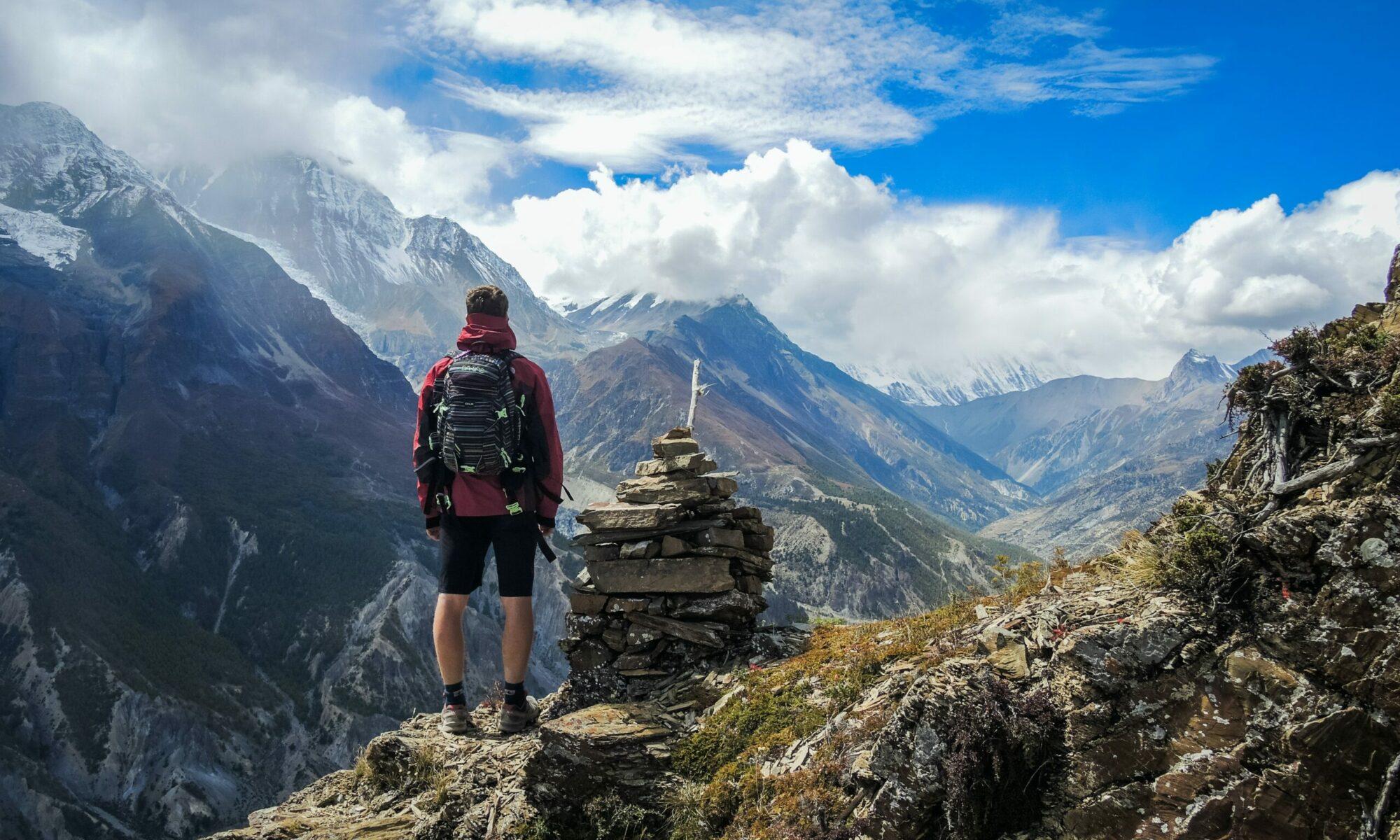


The world yields countless playgrounds for families hungry for fresh air, bold landscapes, and hands-on learning. From towering alpine ridgelines to near-tropical island coves, this guide maps ten standout global destinations that consistently coax children away from screens and into motion. Each featured place pairs accessible logistics with authentic outdoor thrills: hiking trails that suit toddlers and teens alike, waterborne excursions from calm bays to glacier-fed rivers, and cultural touchpoints that deepen curiosity about ecosystems and local traditions. Along the way, practical considerations—seasonality, gear, and safety—are woven into sample itineraries so families can translate inspiration into realistic plans.
The narrative thread follows a single traveling family, the Morgans, whose itineraries illustrate how different personalities and age ranges shape the trip design. These snapshots show how modest adjustments—choosing a guided wildlife canoe in the Amazon rather than a multi-day trek, or booking a family-friendly eco-lodge in Patagonia—turn epic settings into manageable adventures. Readers will find actionable packing guidance (including tested items from The North Face, Columbia Sportswear, REI and Merrell), links to trusted trip-planning resources, and clear prompts for balancing adrenaline with downtime.
- Accessible adventure: Destinations that blend epic scenery with services that welcome families.
- Gear-smart choices: Brands like Osprey, Deuter, CamelBak and Garmin recommended for safety and comfort.
- Seasonal planning: When to go, and what to expect weather- and wildlife-wise.
- Sample itineraries: Day-by-day options that scale for ages 4–16.
- Further reading: Curated links for deeper research and travel savings tips.
Dolomites, Italy & Patagonia, Argentina/Chile — Mountain Majesty and Family-Friendly Multi-activity Options
The alpine limestone spires of the Dolomites and the sweeping steppe-and-peak panoramas of Patagonia represent two ends of the mountain-adventure spectrum, yet both excel at family accessibility. The Morgans’ spring visit to the Dolomites centered on day hikes from family-focused bases such as Val di Fiemme and Val di Fassa. In Patagonia, their summer trip alternated short guided treks, horseback rides, and lake kayaking—options that translated mountain scenery into a range of energy levels and engagement for children.
Why these mountain destinations work for families: each offers a menu of activity lengths and intensities, strong local guiding services that adapt to age groups, and infrastructure—lifts, family cabins, gentle trails—that reduces logistic friction. Gear matters: lightweight layering from Columbia Sportswear or The North Face makes alpine days comfortable, while Merrell boots and an Osprey daypack keep kids mobile. For navigation and safety, a Garmin GPS or a robust smartphone with offline maps reduces stress when routes diverge.
Activities and sample days
- Dolomites: via ferrata introductions (family-safe sections), alpine playground adventure parks, cable-car summit lunches.
- Patagonia: short glacier viewpoints, estancias with children’s programs, gentle kayaking on glacial lakes.
- Both: wildlife spotting, narrative-driven treasure hunts for younger kids, and evening astronomy or storytelling sessions.
Concrete example: a Dolomites day might begin with a 45-minute cable-car ride, followed by a 2–3 hour loop on alpine trails with an instructor-led nature ID session, concluding with time in a low-ropes adventure park. In Patagonia, a morning horseback ride across lenga forest gives way to an afternoon kayak along a calm arm of a fjord with adult guides ensuring safe distances from ice and currents.
Logistics, safety and age tips
- Transfers: plan for mountain road times—shorter drives and overnight stays reduce fatigue.
- Guides: book operators who explicitly list child-friendly itineraries; many local agencies customize activity length and difficulty.
- Pacing: alternate active mornings with restorative afternoons—pools, museums or light cultural strolls in nearby towns.
- Medical: carry a compact first-aid kit and confirm evacuation options; in remote Patagonia, satellite-capable devices and a Garmin can be lifesaving.
| Destination | Top Family Activities | Best Season | Recommended Gear |
|---|---|---|---|
| Dolomites, Italy | Hiking loops, via ferrata (intro), playground parks | Late spring–early autumn | The North Face jackets, Merrell hiking shoes, Osprey daypacks |
| Patagonia (Chile & Argentina) | Horseback riding, glacial viewpoints, guided kayak | Southern hemisphere summer (Dec–Mar) | Columbia Sportswear layers, Garmin devices, Deuter backpacks |
Planning resources and trip inspiration for these mountain escapes can be supplemented with curated lists and reviews from specialist sites like Suite Dreams Travel and destination roundups on OutdoorActive.
For family logistics and cost-saving hacks—packing efficiently, choosing multi-use gear, and timing travel for shoulder seasons—consult practical guides such as Travel To Adventures: Cut Costs and Expert Carry-On Packing Tips.
Insight: selecting routes and operators that scale activity intensity to children’s ages converts dramatic mountain landscapes into empowering playgrounds rather than endurance tests.
US National Parks & Greenland — Wild Access, Education, and Unique Modes of Travel
National parks across the United States offer an unmatched mix of accessibility and ecological variety that is ideal for families seeking layered learning alongside adventure. The Morgans’ road-trip through multiple parks emphasized geology lessons at Bryce and Zion, lake ecology in Glacier, and tidepool exploration along coastal reserves. Each park offers ranger programs, junior ranger badges, and kid-focused interpretive trails that make conservation tangible.
Greenland provides a contrast: a trip into communities with minimal road networks flips the logistics model—transfer by boat, plane or dog sled in winter—so each movement becomes an adventure. Staying in sheep farms, hiking past towering icebergs, and paddling around fjords introduced the Morgans’ children to a world where daily life intersects directly with extreme nature.
Why parks and polar frontiers complement each other
- US Parks: staged experiences—short hikes, visitor centers, accessible campsites, and a predictable safety net.
- Greenland: immersive remote travel that teaches self-reliance and stewardship through interaction with local communities.
- Both: strong opportunities for wildlife education—bird banding in marshes, whale watching, and glacier ecology talks.
Sample family day in a US park: start with a short ranger-led geology walk, follow with an easy scramble to a viewpoint, and finish with a picnic that includes a mini-scavenger hunt to identify common plants and animal tracks. In Greenland, a day might include a morning boat trip through iceberg alleys, an afternoon visit to a sheep farm to learn about Arctic livelihoods, and an evening storytelling session about Inuit navigation techniques.
Practical lists and safety essentials
- Layering: cold-to-warm transitions require technical layers—The North Face fleeces and waterproof shells from Columbia Sportswear prove useful.
- Footwear: sturdy but broken-in Merrell shoes or lightweight hiking boots keep small feet comfortable.
- Hydration & carry: CamelBak reservoirs and Osprey hydration-compatible packs facilitate long days.
- Navigation & emergency: a Garmin device or offline mapping app plus a physical map and compass are recommended for remote Greenland itineraries.
Further reading for designing park loops, ranger activities, and remote Arctic logistics is available through family-focused roundups such as The Outdoor Republic and experiential trip reports on Roaming with the Rascals. For younger kids, resources like Travel To Adventures: Kids Rediscover Wonder suggest interpretive play activities that align with ranger programs.
Insight: mixing the structured education of national parks with the logistical leap of polar or near-polar regions creates a balanced family travel curriculum—one that builds knowledge, resilience, and lasting curiosity.
Palawan, Philippines & Tuscany, Italy — Waterborne Play and Cultural Trails for Curious Kids
Palawan and Tuscany might seem like opposites—tropical jungle and sun-dappled hills—but they converge as family adventure hubs because both invite low-stress exploration that ties nature and culture together. In Palawan, the Morgans embraced island-hopping from a comfortable base on Miniloc-style resorts, prioritizing snorkeling, paddleboarding, and mangrove kayaking. The area’s calm lagoons and sheltered bays make aquatic activities accessible to confident beginners while offering elbow-room for older children to try more technical outings such as guided sea-cave exploration.
Tuscany reorients the adventure toward hills, history, and human-powered travel. Walking segments of the Via Francigena or cycling through rolling vineyards translate into multisensory education—kids learn map-reading and food provenance between village squares. And because Tuscany contains coastal islands like Elba and river mouths, families can stitch together water days with cultural exploration.
Activity lists and family-friendly itineraries
- Palawan: shallow snorkeling sites, short island treks, eco-guided wildlife spotting, and overwater bungalow stays for low-maintenance downtime.
- Tuscany: village-to-village hikes, family cycling routes with luggage transfer services, river rafting options, and caving for older children.
- Combined hybrid day: morning snorkeling lesson, afternoon cultural town trek, evening pasta-making class for kids.
Practical notes: aquatic safety in Palawan benefits from GoPro footage to review technique and create shared memories. A compact waterproof camera and float harness allow kids to photograph marine life safely. In Tuscany, Deuter or Osprey packs with rain covers keep picnic provisions dry during unexpected showers, and Merrell footwear performs well on cobbled streets and easy trails.
Packing, culture and pacing
- Sun and water protection: reef-safe sunscreen, rashguards, and a CamelBak for constant hydration on island days.
- Connections: schedule rest days between activity blocks—young brains need downtime to process sensory input.
- Local learning: add craft or cooking classes to weaving in culture without heavy museum days.
For family-facing lists of activities and additional inspiration, see destination features such as Adventure Avenue and in-depth international guides like Julie Around the Globe. For logistics on combining cultural pacing with adventure travel, consult Travel To Adventures: Fall Vacation Tips and Summer Getaway Strategies.
Insight: blending slow cultural days with short, high-engagement activity pockets enables multisensory learning while preserving parental sanity and kid enthusiasm.
Amazon Rainforest, Brazil & Antarctica — Immersive Wild Encounters and Expedition-style Learning
Few places teach ecology like the Amazon; few places teach scale like Antarctica. Both are expeditionary by nature, and both reward families willing to commit to guided formats. The Morgans’ Amazon leg included a multi-night riverboat stay on the Rio Negro with daily tributary hikes and piranha fishing, while Antarctica required a ship-based itinerary out of Ushuaia with zodiac landings to see penguin rookeries and humpback whale activity.
These destinations demand upfront preparation: vaccination, layered expedition clothing (think technical baselayers from Patagonia or The North Face), and a clear understanding of environmental protocols. Yet the payoff is transformative—children return with concrete examples of food webs, conservation stakes and habitability, informed by up-close encounters with species such as sloths, caimans, gentoo penguins, and whales.
Experience-driven activity lists
- Amazon: nocturnal boat excursions, guided insect and amphibian searches, piranha fishing and eater-prey discussions.
- Antarctica: zodiac landings, beachside wildlife observation, environmental briefings on microplastic research or climate impacts.
- Both: onboard naturalists who convert observations into curricula-style lessons suitable for varying ages.
Practical trip design tips: choose boats and operators with family cabins and explicit child policies; short daily excursions maximize interest while preventing fatigue. Bring multi-use tech like a GoPro to capture underwater and zodiac moments, and use compact binoculars for wildlife viewing. REI and Patagonia both retail expedition-ready garments and equipment well-suited for these conditions.
Safety, environmental respect and learning outcomes
- Biosecurity: follow strict boot and clothing cleaning protocols to avoid cross-ecosystem contamination.
- Guidance: pick operators that include naturalists and educators—these add interpretive depth to every shore landing and forest walk.
- Age considerations: younger kids benefit from shorter outings and hands-on activities like simple species identification or guided nature journaling.
For narratives and trip planning resources that detail family expedition logistics, consult experiential coverage like Travel Reference and practical adventure lists on TravelBabbo. For advice on sustainable expedition practices, see recommendations compiled by outdoor publishers such as Outside Online.
Insight: expedition-style trips cultivate sustained curiosity and stewardship when they prioritize interpreters, manageable outing lengths, and opportunities for hands-on learning.
Canada & The Desert (Atacama, Sahara, Rajasthan, Qatar/UAE) — Diverse Ecosystems, Cultural Richness, and Adventure Sport Options
Canada’s breadth of ecosystems—Atlantic lighthouses, Pacific whale corridors, prairies and Rockies—makes it a modular playground for families. The Morgans mixed canoe days on Lake Louise with bird-banding volunteer sessions in Manitoba and urban cultural evenings in Montreal. Conversely, desert regions from the Atacama to the Sahara offer terrain for dune bashing, camel rides, star-filled nights and unique cultural exchanges like falconry demonstrations in the Gulf states.
Both Canada and these desert locales offer activities that scale: easy paddles, interpretive wildlife walks, and accessible skiing in Canadian mountains; family dune hikes, sandboarding taster sessions, and camp stays under desert skies. The contrast between cool, water-dominant Canadian adventures and parched desert thrill-seeking builds a rounded outdoor education—one that teaches water stewardship and desert survival principles alike.
Activity lists and family-friendly choices
- Canada: canoe trips, whale watching, bird-banding experiences, snowshoe days and family-friendly fishing excursions.
- Desert: camel treks, sandboarding for teenagers, dune bashing with rest stops for family runs, cultural workshops like falconry and pottery.
- Shared opportunities: local conservation volunteering and guided naturalist programs that convert activity into learning.
Packing and gear recommendations: in Canada, include insulated layers, a quality waterproof shell, and a CamelBak for day treks. In desert regions, sun-protective clothing, breathable fabrics from Columbia Sportswear or The North Face, and wide-brim hats are essential. For multi-environment trips, Deuter or Osprey carry systems simplify logistics by organizing gear by day-use and overnight essentials.
Planning resources and budget considerations
- Use regional guides to time visits for wildlife peaks—whale migration windows or birding seasons in Canada maximize sightings.
- For deserts, plan for early-morning and late-afternoon activities to avoid midday heat.
- For cost control and scheduling tips across seasons, consult savings and timing guides like Budget Travel Tips Summer and Fall Travel Deals.
Supplemental reading includes destination features and family-focused itineraries on sites like The Trip Venture and curated lists on Adventure Avenue. For vanlife or RV-based family explorations through Canadian and desert landscapes, practical tips can be found on Vanlife Adventures Guide and seasonal RV pointers at RV Tips: August 2025.
Insight: balancing water-first experiences in Canada with the wide-open lessons of desert travel crafts a travel curriculum in resilience, respect for natural limits, and intercultural exchange.
How to choose a destination that suits a wide age range of children?
Prioritize destinations with modular activities and operators that explicitly offer age-adapted programs. Build days with short high-energy blocks and restful interludes; consider local guides who tailor outings, and select accommodation that acts as a reliable base between excursions.
What essential brands and gear should families consider for global outdoor trips?
Invest in layering systems from trusted brands like The North Face, Columbia Sportswear and Patagonia for climate versatility. Use Merrell footwear, Osprey or Deuter packs for comfort, CamelBak for hydration, and GoPro for durable action footage. Garmin devices add navigation and safety redundancy.
Where to find reliable family-focused trip planning and cost-saving advice?
Look to specialist travel roundups and family travel blogs for activity ideas and operator recommendations. Practical budgeting and timing advice can be found on Travel To Adventures pages such as ‘Cut Costs’ and seasonal guides. For experiential inspiration, sites like Suite Dreams Travel and OutdoorActive compile vetted family-friendly itineraries.
Are expedition destinations like Antarctica suitable for younger children?
Yes—when booked with family-friendly expedition operators that offer short, guided shore excursions and educational programming. Opt for cabins that allow family groups and prioritize operators with proven child safety protocols and naturalists on board.