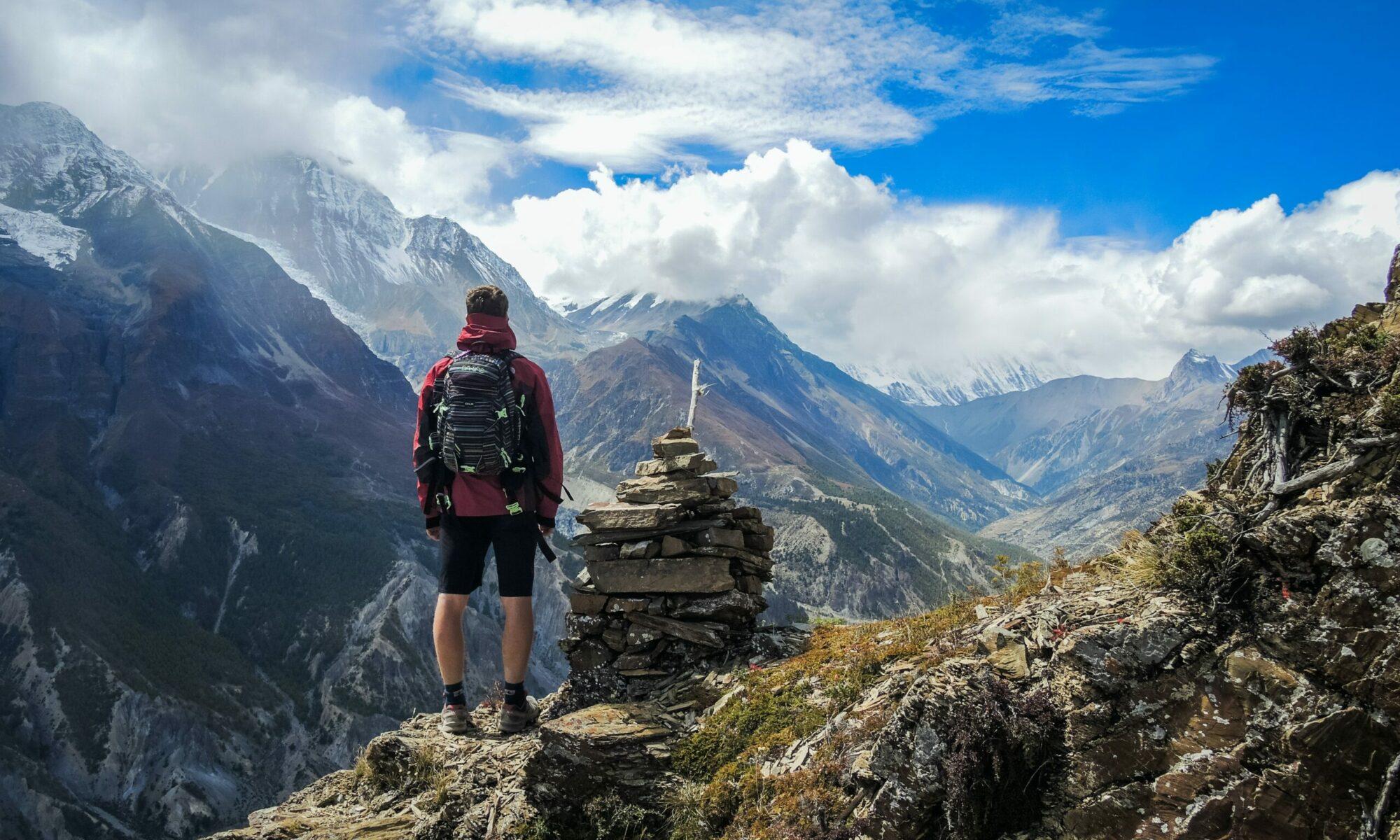


The open highway across the United States unfolds like a living atlas: jagged coastal cliffs, neon-lit desert arteries, alpine passes dusted in snow, and small towns where history hums from storefronts. This collection gathers a set of unforgettable road trip adventures curated around iconic routes and hidden gems, balanced between adrenaline-driven activities and gentle, reflective detours. The Road Trip Queen persona stitches the routes together, offering a traveler’s eye for dramatic viewpoints, family-friendly stops, and the best gear and transport choices—from an Airstream parked under stars to a Jeep climbing slickrock trails.
Maps, timing tips, and tastes of local culture are woven in with practical resources. For those plotting a multi-week cross-country itinerary or a weekend escape, this guide pairs scenic inspiration with actionable leads: curated routes from sources like Roadtrippers and practical itineraries found on travel roundups. Expect recommendations for campsites, museums, trailheads, and authentic roadside treats. The narrative emphasizes safety, seasonal planning, and conservation-minded travel, drawing on storied routes like Route 66, coastal drives, and national park circuits profiled in outlets such as National Geographic and Lonely Planet.
Readers will find a balance of big-ticket bucket-list views and approachable diversions—tide pools, tram rides, dinosaur tracks—each with a hint of strategy: when to visit, what gear to pack, and how to keep a trip flexible. Expect concrete suggestions for vehicles and equipment—whether picking a convertible Ford for fall drives, a YETI cooler for lakeside picnics, or a Harley‑Davidson detour for a motorcycle-friendly stretch. These adventures are designed to be mixed and matched into personalized loops, making every trip distinctly memorable.
- Top scenic corridors and why they matter for every traveler.
- Practical logistics: campsites, permits, and seasonal tips.
- Family-friendly activities intertwining learning and adventure.
- Gear and vehicle suggestions tailored to road style and terrain.
- Resources and further reading for planning with trusted guides and communities.
Pacific Coast & Pacific Northwest Scenic Drives: Tide Pools to Towering Redwoods
The stretch of coastline from northern California to Oregon offers an interplay of pounding surf, fragile intertidal habitats, and ancient forests. Along this route, tide pools at places like Cannon Beach reward patient observers with starfish, anemones, and crabs visible at low tide. These shoreline micro-ecosystems invite both quiet study and family exploration, with accessible boardwalks and interpretive signs that make them ideal for multi-generational road trips.
Hiking among the coastal redwoods adds a vertical dimension to the coastal experience. Trails through groves—such as the Stout Memorial Grove—provide shaded, stroller-friendly paths alongside steeper, adventurous connectors for those seeking solitude. For a drive that pairs ocean and forest, plan loops that include quiet state parks and scenic pullouts; avoid overcrowded mid-day hours to preserve wildlife viewing and the serenity of the forests.
Practical tips for coastal and redwood routes
Timing is everything: spring tides show the best tide pools, while late summer often offers calmer water for kayak launches near sheltered bays. For protection against coastal chill and spray, pack layered clothing and waterproof footwear. For those towing, an Airstream or well-prepared camper provides comfort near coastlines, but beware of narrow access roads—book KOA Campgrounds or state park sites in advance for peak weeks.
- Check tide tables before visiting tide pools to ensure safety and the best visibility.
- Respect wildlife: observe at a distance and avoid removing specimens.
- Use designated parking and walkways to protect delicate dune and marsh habitats.
- Bring polarized sunglasses and a YETI cooler for longer beach days.
| Stop | Highlight | Best season |
|---|---|---|
| Cannon Beach, OR | Tide pools & Haystack Rock | Spring–Summer |
| Redwoods National Park, CA | Ancient groves & family hikes | Spring–Fall |
| Emerald Bay, Lake Tahoe | Kayaking & alpine views | Summer–Early Fall |
Local guides and resources add depth: cruise-line style naturalists and park ranger programs often host tide-pool walks and junior naturalist activities. For planning detail, curated road trip lists—like those on The Gap Decaders and broad round-ups at The Modern Field—offer route ideas and seasonal notes. Photography enthusiasts can consult National Geographic pieces for framing ideas and ecological context to bring home richer images.
Example itinerary for a family-friendly coastal loop: start with a morning tide pool session, lunch in a seaside town, an afternoon redwood walk, and an overnight at a family-friendly KOA Campground. This rhythm keeps driving times reasonable and provides restorative stops along the way. Insight: balance between active exploration and downtime defines memorable coastal road days.

Rocky Mountain Highways and Alpine Adventures: From Dog Sledding to Million Dollar Views
The Rockies offer a collage of dramatic passes, alpine lakes, and winter sports towns. Wintertime in Colorado transforms highways into snow-dusted circuits where unique activities—such as dog sledding at Monarch Mountain—become highlight experiences. These excursions combine guided adventure with opportunities for close encounters with sled dogs, delivering educational and emotional payoff for families and active travelers alike.
In summer, routes like the Million Dollar Highway yield staggering panoramas of narrow ledges and hairpin turns. This drive—between Ouray and Silverton—tests nerves and rewards with vistas unmatched elsewhere. Hikers will covet trails to Ice Lake in the San Juan Mountains, a strenuous ascent that culminates in an alpine basin of electric-blue water. The elevation and mileage demand preparation: acclimatize and carry sufficient water, sunscreen, and layered clothing.
Seasonal activities and safety considerations
Winter travel needs special vehicle prep. For drivers using rental cars or personal vehicles, chains or all-season tires might be mandated. For those yearning for a two-wheeled perspective, a Harley-Davidson route through high plains into mountain passes creates an unforgettable memoir of crisp air and panoramic curves. Conversely, a Jeep or 4×4 presents off-road options in summer—Moab’s slickrock trails and alpine backroads are ideal playgrounds for capable vehicles.
- Pack a first-aid kit, emergency blanket, and bear spray for backcountry hikes.
- Consider a Ford or Jeep when planning rugged routes; research clearance and drivetrain needs.
- Reserve mountain lodgings early for ski season or fall color weekends.
- Carry extra fuel and a physical map in remote stretches with limited cell service.
| Activity | Location | Difficulty/Season |
|---|---|---|
| Dog sledding | Monarch Mountain, CO | Winter / Moderate |
| Million Dollar Highway drive | Ouray → Silverton | Summer–Fall / Moderate |
| Ice Lake hike | San Juan Mountains, CO | Summer / Strenuous |
Families and multi-generational groups find value in balancing high-adrenaline days with quieter cultural stops. Small mountain towns often house museums and historic sites that narrate mining-era histories—perfect for rest days. Planning resources such as Roadtrippers and Lonely Planet itineraries help calibrate driving distances and attractions, while RV resources—like RV tips and RV packing strategy—are invaluable when considering an Airstream or campervan setup.
For photographers and nature watchers, early morning and late afternoon light yield the most dramatic mountain color and wildlife sightings. Wildlife viewing in the Grand Tetons or along alpine lakes can be rewarding but requires respectful distances and adherence to park guidance. Insight: mountainous adventures reward careful timing and gear planning—combine technical preparedness with generous time buffers to let the landscape reveal itself.
Desert Icons and Historic Highways: Route 66, Monument Valley, and National Park Classics
The American West’s desert landscapes are theatrical: towering buttes, endless sky, and roads that seem to slide into the horizon. Historic highways, most famously Route 66, thread together roadside curiosities and deep cultural histories. Driving sections of Route 66 is equal parts time capsule and pop-culture immersion—neon motels, classic diners, and nostalgic attractions invite photo stops and serendipitous discoveries.
Monument Valley stands as an archetype of cinematic desert vistas. For travelers, stop at iconic viewpoints such as Forest Gump Point and watch how shifting light sculpts the valley’s mesas. Nearby, the Grand Canyon offers contrasting scale with immense rims and panoramic hiking options that reward early morning hikes away from crowds. Carlsbad Caverns provides an underworld counterpoint: the Big Room’s 2.5-mile loop places visitors inside a sculpted subterranean realm, and timed-entry management makes planning essential.
How to pair desert drives with park visits
Plan to start early in desert climates to avoid midday heat and to catch dramatic sunrise light. Desert ecology is fragile; carry plenty of water, avoid off-trail driving, and respect cultural sites. When visiting cave systems, purchase timed-entry tickets in advance and follow ranger guidance to preserve formations. For authenticity, seek local operators for cultural tours—tribal-run programs and guided Navajo tours in Monument Valley offer meaningful cultural context.
- Book timed tickets for popular sites like Carlsbad Caverns and Mesa Verde.
- Reserve passes for national parks in peak seasons and use park shuttles where available.
- For motorcycle travelers, plan fuel stops carefully on stretches with long gaps between services.
- Consult conservation-minded resources—and follow Leave No Trace principles.
| Route or Park | Must-see | Key planning note |
|---|---|---|
| Route 66 | Historic diners & neon signs | Check seasonal opening hours |
| Monument Valley | Scenic viewpoints & tribal tours | Hire local guides for cultural insight |
| Carlsbad Caverns | The Big Room | Timed-entry tickets recommended |
Use curated trip resources for inspiration and logistics. Long-form roundups—such as those found at Rossblogger and route-focused content at On the Road with Susan—offer ready-made loops and seasonal advice. For a narrative-driven take, National Geographic pieces provide geological and historical context that deepens appreciation of each site.
Practical vehicle choices shape the desert experience. A four-wheel-drive Jeep unlocks backcountry byways, whereas a convertible Ford adds romance to long highway stretches. For those seeking compact, nostalgic travel, a road trip that mixes motorcycle legs on a Harley-Davidson with short car legs can create a dynamic itinerary. Insight: desert roads ask for respect and preparation—plan refueling, hydration, and contingency stops to keep the trip safe and memorable.
East Coast History, Coastal Towns, and Urban Walks: From Freedom Trails to Parade Balloons
The Eastern seaboard crisply blends heritage, maritime traditions, and curated urban experiences. Walking Boston’s Freedom Trail provides a concentrated history lesson across 17 historic sites, each punctuated by architecture and interpretive storytelling. Nearby, Plymouth’s Mayflower II and the Historic Triangle—Jamestown, Williamsburg, and Yorktown—offer living-history immersion that resonates with families and history buffs.
Smaller coastal towns reward slow travel. Driftwood Beach on Jekyll Island and Mystic Seaport offer tactile seaside exploration, while Newport’s Cliff Walk pairs Gilded Age mansions with ocean vistas. Urban treats—like walking under inflated Macy’s Parade balloons in New York before a parade—turn tourists into insiders for a day. City-based riverways such as San Antonio’s River Walk combine dining, nightlife, and walkable charm in a compact, festive setting.
Activities and cultural tips for the East Coast
Historic sites often require tickets or timed entries. Plan visits around off-peak hours for evocative, less-crowded experiences. Many museums and living-history venues offer family-friendly programs—consider the Junior Ranger programs at national parks even while traveling east, as they translate well into a longer educational journey. For culinary stops, seek regional specialties: New England seafood, Southern barbecue, and coastal bakeries that serve local flavors.
- Book historic-site tickets in advance and check for guided program schedules.
- Combine urban walking tours with restful breaks at riverside cafés or small parks.
- Look for seasonal festivals and off-season rates to avoid crowds.
- Bring comfortable walking shoes and a light daypack with water and snacks.
| City/Town | Highlight | Travel note |
|---|---|---|
| Boston, MA | Freedom Trail & Fenway Park | Walkable — use public transit for longer hops |
| Plymouth, MA | Mayflower II & historic port | Combine with Boston for a two-day loop |
| Mystic, CT | Seaport Museum & ships | Great for a relaxed overnight stop |
Regional guides and targeted trip advice make planning efficient. For instance, travel collections and curated tips at Daily Dive and Digital Travel Expert provide practical routing and timeframes. For budget-conscious travelers, consult resources like budget travel hacks and wallet-friendly travel tips to stretch trip value without sacrificing experiences.
Urban walking days pair well with an evening of culinary discovery. The River Walk and Newport’s cliffside restaurants both show how water and architecture anchor local culture. Insight: blending iconic city walks with nearby coastal escapes yields variety and paces travel for families and solo explorers alike.
Family Adventures, Planning Strategies, and Gear for the Road
Practical planning is the scaffolding of every memorable road trip. Family-friendly stops—like earning Jr. Ranger badges at national parks, visiting the Field of Dreams movie site, or tracking dinosaur footprints at Glen Rose—combine education and play. For multi-day itineraries, KOA Campgrounds and carefully chosen state park sites provide logistical anchors with reliable services for families traveling with children or pets.
Vehicle and gear choices set the tone. An Airstream or well-equipped campervan simplifies meals and overnight comfort. For adventure-centric travel, a Jeep or Ford with adequate cargo space opens up off-road options. Accessories such as a YETI cooler keep food fresh during long drives, while motorcycle lovers can stage Harley-Davidson segments for spirited, shorter legs.
Practical planning checklist
Use multi-source planning: combine route inspiration from long-form lists—like those on Travel Makes Me Happy and The Nature Seeker—with operational tips from RV and budget sites. Download maps offline, prebook campsites, and confirm hours for small-town attractions. Packing lists should include weather-appropriate clothing, basic repair tools, and entertainment options for children during long stretches.
- Reserve KOA Campgrounds or park sites well in advance for holidays.
- Bring a compact vehicle toolkit and a spare tire; know how to change it.
- Pack layered clothing and YETI-style food storage for varied climates.
- Use apps such as Roadtrippers for route discovery and timing.
| Item | Why it matters | Recommended |
|---|---|---|
| Airstream or campervan | Comfortable overnighting and cooking | Highly recommended for long loops |
| YETI cooler | Preserves food across long days | Essential for picnics and fishing stops |
| Offline maps & Roadtrippers | Navigation in low-service areas | Critical for remote routes |
Additional planning resources and tips can be found in practical posts: Vanlife 101 for van setups, Road Trip Trophy Tour Tips for sightseeing pacing, and travel safety guidance for holiday travel. For health-conscious travelers, consult health advice for returning travelers and tips on safe summer travel at summer travel safety.
For families, balancing scheduled activities with unplanned roadside discoveries is essential. Allowing flexibility—time to chase a waterfall or stop at a roadside fudge shop—creates the unrepeatable moments that define great road trips. Insight: logistics and spontaneity must coexist; plan infrastructure, then leave room for the road to surprise.
When is the best time to drive Route 66 and other desert roads?
Late spring and fall often deliver comfortable daytime temperatures and manageable crowds. Summer is very hot in many desert areas; winter can create snow or closures at higher elevations. Always check local conditions before departure.
How to choose between an Airstream, campervan, or hotel-based itinerary?
Choose an Airstream or campervan for flexibility, cooking, and camping access; pick a hotel-centric plan for more urban-focused trips or when comfort and laundry access are priorities. Consider group size, budget, and the terrain of planned routes.
What safety gear is essential for mountain and desert drives?
Carry water, a first-aid kit, a basic tool kit, a spare tire, and extra fuel. In bear country, bring bear spray; in winter, pack chains or ensure proper tires. Offline maps and a physical map are crucial when cell coverage is unreliable.
How can families keep kids engaged on long drives?
Combine educational stops—like Jr. Ranger programs and living-history museums—with active breaks at beaches or short hikes. Pack activity kits, audiobooks, and plan surprise roadside treats.