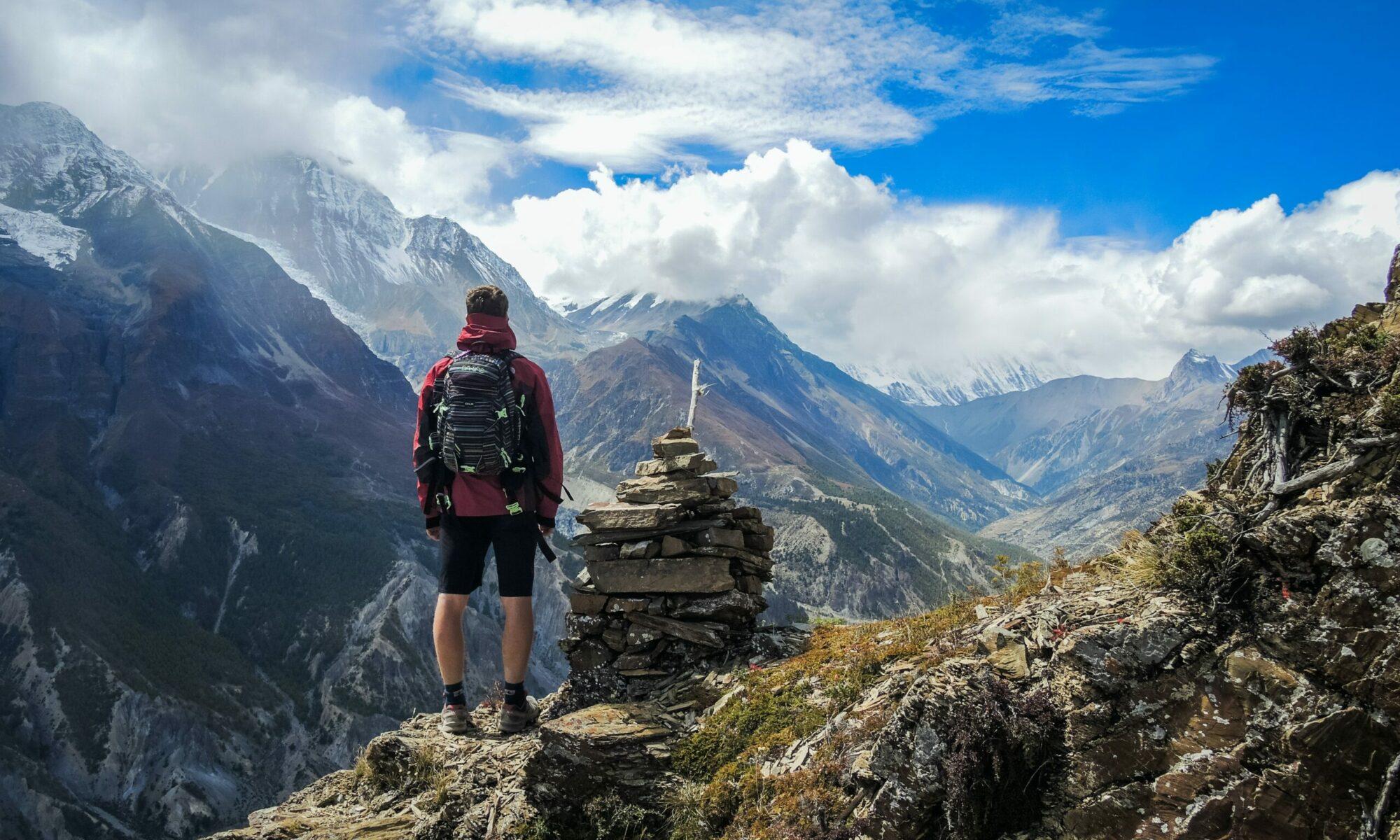


The long days of summer invite families to trade screens for starlight and group chats for genuine conversation. This feature gathers ten unforgettable outdoor adventures that consistently deliver connection, challenge, and wonder for multigenerational groups. From volcano summits that feel like moonscapes to gentle river floats that let kids discover wildlife up close, each option blends accessibility with jaw-dropping scenery. Practical notes on planning, permit timing, and age-appropriate itineraries are woven throughout, helping caregivers decide what to book now and what to save for a future season. The emphasis remains on shared experience: simple rituals like an evening campfire, swapping stories on a long trail, or teaching a child to read tide pools require no special talent but produce memories that persist longer than any souvenir.
In brief — key takeaways
- Variety matters: mix dayhikes with overnight floats and easy paddles to keep children engaged.
- Plan early: many flagship parks and river trips require reservations months in advance.
- Gear smart: reliable brands such as REI, Columbia Sportswear, The North Face, and Patagonia streamline packing and safety.
- Teach through adventure: hands-on ecology (tide pools, geysers, birdwatching) turns curiosity into learning.
- Accessibility: choose trips with incremental challenge for mixed-age groups — permit strategies and family-friendly itineraries are available.
Top 10 Unforgettable Outdoor Adventures for Families: Epic Hikes, Volcanoes and High Summit Days
Volcanic landscapes and alpine ridgelines create dramatic backdrops for family hikes that feel cinematic but can be carefully tailored to different skill levels. Iconic climbs such as Mount St. Helens present a striking contrast: start among dense, temperate rainforest and emerge onto a moonscape of pumice and hardened lava. That juxtaposition makes the route exhilarating for young explorers while offering educational moments about geology, ecological recovery, and human history.
When planning a big family hike, consider the following practical checklist:
- Permit and trail timing: busy routes may require permits or early reservations; families should look at calendar windows for shoulder seasons to avoid crowds.
- Staged ascents: break long routes into manageable segments and plan for frequent rest breaks with snacks and short nature “missions” for kids.
- Terrain prep: train on mixed footing—sand, scree and volcanic ash feel like walking a dune and change the effort profile dramatically.
- Emergency planning: have a clear turn-back time and carry navigation, first-aid, and extra water; reliable gear from REI, CamelBak and The North Face can be lifesaving.
Examples of family-friendly summit-style hikes and how to scale them:
- Mount St. Helens (Monitor Ridge): a long day with varied footing—great for older kids and multigenerational groups when paced conservatively. Educators can weave in volcanic history while the landscape provides visual lessons on resilience.
- Tour du Mont Blanc segments: family groups can walk easier passes and use mountain huts or local inns to shorten daily distances. This allows exposure to three cultures—France, Italy, Switzerland—without committing to the full 105-mile circuit.
- Grand Canyon rim-to-rim alternatives: combine accessible viewpoints with a controlled descent to a camp or canyon rim trail for a dramatic but safe experience.
Safety and enjoyment hinge on knowing the route and choosing a right-fit itinerary. For example, a family with younger children might elect to experience alpine vistas by taking shorter day segments along the Tour du Mont Blanc loop rather than attempting full-day ascents. Conversely, older teens often relish the physical challenge and achievement of tougher routes like Mount St. Helens. Many families rely on gear reviews and buying guides from trusted sources to select boots, sleeping systems and layered clothing—look to REI and Patagonia for tested choices and LL Bean for durable family staples.
Planning resources and further reading include multi-author roundups and feature lists that showcase the best hikes and permitting strategies; for inspiration and trip planning check curated lists such as The Big Outside’s family adventures and seasonal roundups on Education Outdoors and Family Vacations USA.
| Adventure | Best for | Difficulty | Gear highlights | Recommended brands |
|---|---|---|---|---|
| Mount St. Helens dayhike | Teens, adults, multigenerational | Challenging | Sturdy boots, trekking poles, sun protection | REI, The North Face, Columbia Sportswear |
| Tour du Mont Blanc (segments) | Families with hiking experience | Moderate to strenuous | Layered clothing, good packs, refugio bookings | Patagonia, Arc’teryx, LL Bean |
| Grand Canyon mixed itinerary | Older kids, adventurous families | Strenuous | Hydration systems, navigation, sun shelter | CamelBak, Yeti, Coleman |
Final insight: careful pacing and an emphasis on learning make summit-style days an occasion of both achievement and shared story — a memory that outlasts the sore muscles.
Top 10 Unforgettable Outdoor Adventures for Families: River Floats, Rafting and Calm Paddles
Water-based adventures offer varied intensities for families: from gentle flatwater paddles through mangroves to multi-day guided rafting down whitewater rivers. The Green River through Stillwater Canyon is a compelling example of an accessible multi-day float with beaches for camping, nearby rock art and easy swimming. It’s a perfect introduction to longer river travel because rapids are limited and the rhythm of camp-to-camp fosters conversation and exploration.
A different scale of thrill comes from Idaho’s Middle Fork of the Salmon River, set inside the Frank Church–River of No Return Wilderness. This trip blends big rapids, vast canyon walls, and high-quality guiding that keeps younger paddlers safe while delivering adrenaline and wilderness immersion.
- Trip styles: guided whitewater rafting, unguided family canoe trips, canoe-sleepover mangrove paddles and kayaks are common options.
- Wildlife encounters: birdwatching on the Everglades paddles and spotting bighorn on river canyon walls combine nature education with excitement; National Geographic resources can enhance pre-trip learning.
- Age and ability tuning: select stretches that match the group’s tolerance for rapids and distance; many outfitters will propose partial-day options for young children.
Practical packing and equipment tips for river travel:
- Waterproofing: dry bags, sealed boxes and reliable water filters are essential; brands like Yeti and Coleman offer rugged storage options.
- Safety gear: life jackets for all ages, throw ropes and helmets (for whitewater) should be non-negotiable.
- Comfort items: quick-dry clothing from Columbia Sportswear, wide-brimmed sun hats, and a dependable cooler for fresh food.
Trip planning resources are abundant. Feature lists and curated itineraries offer vetted routes, seasonality and difficulty gradings—see in-depth adventure rundowns like the Green River float article and longer family trip lists that highlight both domestic and international choices such as those on Family Vacations US and The Big Outside. Outfitters for guided whitewater trips often book far ahead; plan months in advance and look for operator reviews to ensure family safety and quality.
Example family itinerary for a 4-day river trip:
- Day 1: launch, safety briefing, short warm-up run; camp on a sandy beach.
- Day 2: scenic float day with a short exploratory hike to cliff art or overlooks.
- Day 3: bigger rapids with professional guide support and a riverside picnic.
- Day 4: easy morning float to take-out; celebration and debrief on standout moments.
Final insight: water trips combine safety-savvy logistics with abundant opportunities for wonder — from starry nights on sandy beaches to impromptu wildlife lessons during quiet floats.

Top 10 Unforgettable Outdoor Adventures for Families: Coastal Backpacking, Tide Pools and Wilderness Shores
Coastal backpacking along wild shorelines like the southern Olympic Coast rewards families with tactile discoveries: tide pools full of crabs, seals loafing on rocks, and endless hours of constructive play in sand and surf. For children, the ocean provides a limitless laboratory for curiosity; for adults, the combination of old-growth forest, sea stacks and wide horizons is deeply restorative.
Beyond the Olympic coast, coastal options worldwide invite families to tailor difficulty: sheltered bays with short hikes to remote beaches are perfect for younger kids, while rugged multi-day coastal treks suit families seeking a challenge. Packing smartly reduces friction: waterproof layers from Patagonia or The North Face, a sturdy tent from REI, and spares of socks and warm clothing are essential.
Practical tactics for family coastal trips
- Tide planning: consult tide tables to schedule beach walks and safe harboring of campsites; misreading tides is the most common coastal mistake.
- Tide pool etiquette: teach gentle exploration—no overturning rocks or removing creatures; this transforms curiosity into stewardship.
- Camp selection: choose high ground for storms, and avoid low-lying sites prone to high tide or storm surge.
A short gear checklist for coastal backpacking:
- Waterproof pack covers and dry sacks (CamelBak or reliable dry bags).
- Layered insulation including a lightweight down jacket (Patagonia), midlayer (REI), and shell (Columbia Sportswear).
- Footwear that can handle wet rocks and long sand—quick-dry trail shoes and neoprene socks for kids when needed.
Case study: a three-day family trip on the Olympic coast often looks like this: day one—short shore hike with tide-pool exploration and a sheltered camp; day two—longer beach play and a short inland hike through old-growth groves; day three—pack out after a sunrise walk and a tide-pool science session for kids. These trips build resilience and a sense of wonder that often persists in family lore. For coastal travel inspiration and logistics, resources like TravelToAdventures offer packing and budget tips that help keep trips affordable and focused on experiences rather than gear accumulation.
Final insight: seaside backpacking is the perfect mix of play and discovery—an environment where small observations become lifetime memories.
Top 10 Unforgettable Outdoor Adventures for Families: Iconic National Parks — Waterfalls, Geysers and Otherworldly Canyons
National parks concentrate awe. Yosemite’s waterfall rims and Yosemite Valley catwalks offer short hikes that deliver dramatic payoff, while Yellowstone presents geothermal features and wildlife viewing accessible on short walks—ideal for families who want high impact with low logistics. The educational value is enormous: geysers and hot springs provide hands-on geology lessons and animal sightings invite discussions about habitat and conservation.
Families planning park visits should account for permit regimes, seasonal access and crowd management. Popular parks demand booking windows and permit strategies: apply early for backcountry permits in Zion or Yosemite and research ranger-led programs to add structured learning.
- Yosemite waterfall experiences: mist trails and catwalks give kids tactile memories of being inside a waterfall spray. Include stops for interpretive moments about glacial carving and Sierra Nevada ecology.
- Yellowstone geyser circuits: short boardwalks make geothermal features accessible; cross-country skiing in winter opens a different kind of family adventure with gentler exertion and spectacular steam-plume scenery.
- Zion and slot canyons: backcountry permits allow families to see otherworldly rock formations in privacy; Angels Landing remains a dramatic day option for older kids with good head for heights.
Practical park travel tips:
- Reserve early—many parks open permit windows months in advance; use off-peak entry times when possible.
- Engage children with short mission-based hikes (photo scavenger hunts, bird checklists, fossil spotting) to deepen attention spans and learning.
- Pack a compact camera such as a GoPro for dynamic footage; it encourages kids to document moments and reflect after the trip.
Resource links and reading: curated lists from National Geographic and travel roundups like those at Education Outdoors and Making Lemonade Club provide family-centered itineraries and planning checklists. For permit tricks and timing, The Big Outside features practitioner tips for scoring hard-to-get permits and pacing multiday treks. Combining a short, high-reward hike in Yosemite with a day of geyser-watching in Yellowstone can be an ideal two-park vacation for families who prioritize variety over long travel distances.
Final insight: national parks are classroom and playground at once—structured curiosity and small, achievable challenges produce the deepest family memories.
Top 10 Unforgettable Outdoor Adventures for Families: Practical Planning, Gear Essentials, and Creating Lasting Traditions
Great adventures hinge on thoughtful preparation. Families that establish simple rituals—like a pre-trip packing checklist or a “story swap” at each camp—find that logistics feel lighter and the emotional payoff increases. A fictional through-line like the Bennett family helps illustrate this: they began with short local hikes, graduated to a multiday river float, and now rotate between coastal backpacks and national-park circuits. Their approach emphasizes incremental challenge, shared planning, and gear investments that balance durability with cost-effectiveness.
Top planning rules from successful family trips
- Start local: test gear and routines on day trips and overnight stays; these rehearsals reduce anxiety on longer expeditions.
- Invest in key pieces: a good family tent, reliable sleeping bags and layered clothing from brands like REI, Columbia Sportswear, Patagonia and The North Face make trips more comfortable and safer.
- Food and morale: plan easy, high-calorie meals and treat nights as special—Yeti coolers and Coleman camp stoves simplify cooking logistics.
Useful checklist for packing and budgeting:
- Essential documents and permits, printed and digital backups.
- Hydration systems (CamelBak), water filtration, and high-energy snacks.
- Entertainment for downtime: guidebooks, binoculars, a compact GoPro for kids to record their perspective.
- Budgeting tactics: use cost-savings guidance for summer travel, vanlife or RV strategies to stretch a family vacation; see tips on TravelToAdventures about budget travel and vanlife in 2025.
Example of a gradual progression plan for families (months 1–12): begin with a local overnight trip, then a guided river float or coastal two-night, next a national park dayhike with an overnight, and finally a longer multi-day trek when skills and confidence grow. This progression builds competence and keeps motivation high for children and adults alike. Online resources offer targeted advice: packing tips and budget strategies from trusted travel blogs help avoid common pitfalls while operator reviews and gear roundups (REI, LL Bean) inform purchases that last for years.
Integrating educational value is simple: pair each trip with a small research task for children—identify three birds on an Everglades paddle, document the differences between tide pools, or sketch the outline of a rock formation in Zion. These activities transform a vacation into a meaningful learning arc and give children a sense of ownership.
Final insight: consistent rituals, staged challenges, and deliberate gear choices transform vacations into family traditions that produce both competence and long-lived memories.
What ages are best for starting overnight adventures with kids?
Families can begin simple overnight trips with children as young as 5–7 when trips are short and close to home. Start with one-night camping near a trailhead, and gradually extend duration as kids demonstrate comfort with sleeping outdoors and following simple safety rules.
How far in advance should permits and guided trips be booked?
Popular parks and guided river trips often require booking several months in advance—sometimes a season or more for high-demand windows. Aim to secure permits and guide reservations at least 3–6 months ahead for summer travel, and check park-specific permit calendars for exact windows.
Which brands deliver the best value for family gear?
Value comes from durability and warranty: REI, Columbia Sportswear, The North Face, Patagonia and LL Bean frequently rank highly for outdoor clothing and gear. CamelBak and Yeti excel at hydration and storage, while Coleman provides accessible camp cooking systems. Select items that fit, are comfortable, and have straightforward care instructions.
How to combine learning with adventure for children?
Turn each outing into a series of short, curiosity-driven missions: bird lists, tide-pool observations, simple photo assignments with a GoPro, or journaling. These small tasks sustain attention and turn shared observations into teachable moments.
Further reading and planning resources: curated lists of top family activities and itinerary ideas are available at Making Lemonade Club, Education Outdoors, Family Vacations US and the Big Outside, while TravelToAdventures provides focused advice on packing, budgeting and vanlife strategies that suit evolving family needs. For destination inspiration beyond the U.S., explore additional roundups like Travel Reference and Sparkmoor’s family-activity guides.
Selected helpful links and resources: The Big Outside — family adventures, Education Outdoors — summer family adventures, 30 Epic Outdoor Adventures in the U.S., Making Lemonade Club — must-try adventures.
Additional tactical links for packing, budgeting and travel logistics: Carry-on packing tips, Budget travel tips for summer, Vanlife adventures guide 2025, Kids rediscover wonder, Denver travel insights, Road trip trophy tour tips, Summer travel tips Nevada.
Final overarching insight: thoughtful selection of destination, graduated challenge, and emphasis on shared rituals convert short escapes into enduring family traditions; each adventure becomes a chapter in an ongoing family story that children will pass on.