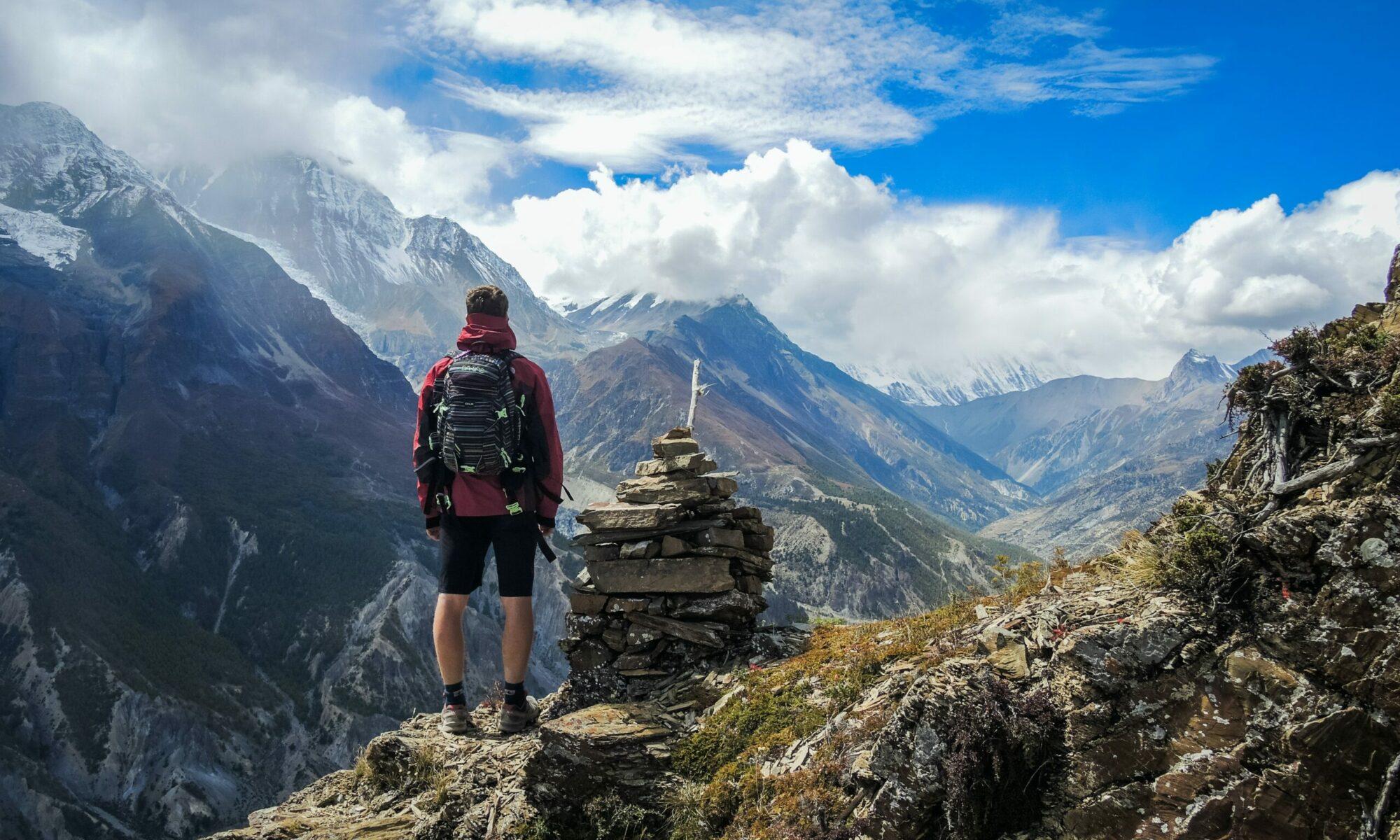


A press-style lead that reads like an invitation to the world’s most stirring corridors of memory: travel now means more than arrival — it is a deliberate encounter with places that shape perspective. From windswept polar horizons to jungle cathedrals and ancient cities carved of stone, the journeys highlighted here fuse natural spectacle with cultural depth. Each route is selected not for checklist completion alone, but for the way it rewires expectation, introduces conservation narratives, and connects the curious to communities and ecosystems. Practical guidance threads through evocative scenes: operators that specialize in sustainable expeditions, logistical notes for seasons and fitness, and packing or health tips for uncommon environments. A recurring protagonist, a thoughtful traveler named Lena Santos, threads through the pages: she navigates unexpected cancellations, local kindness, and the planning pivots that turn obstacles into richer, more authentic travel. This collection is both a bucket-list map and a travel philosophy — an invitation to choose journeys that prioritize curiosity, stewardship, and stories worth bringing home.
In brief
- Choose depth over tick-boxing: long-form adventures reward patience and presence.
- Book with expert operators: National Geographic Expeditions, Intrepid Travel, and G Adventures specialize in meaningful, well-supported trips.
- Prepare for extremes: health advice, minimal packing, and local regulations matter—see practical links from traveltoadventures on packing, flying and solo safety.
- Mix wildlife and culture: conservation-focused experiences (gorillas, orangutans, Galapagos) benefit both traveler and habitat.
- Respect seasonality: timing changes feasibility and the ethical footprint of each trip.
| Journey | Region | Best Season | Operator Suggestions |
|---|---|---|---|
| Antarctica expedition cruise | Polar South | November–March | National Geographic Expeditions, Abercrombie & Kent |
| Inca Trail to Machu Picchu | Peru, Andes | May–September | G Adventures, Intrepid Travel |
| Mountain gorilla trekking | Rwanda / Uganda | June–September & December–February | Exodus Travels, Tauck |
| Galapagos wildlife cruise | Ecuador, Pacific | Year-round (varied highlights) | G Adventures, Abercrombie & Kent |
| W Trek, Torres del Paine | Chile, Patagonia | October–April | Backroads, Intrepid Travel |
Epic Polar and Remote Expeditions: Antarctica to Arctic Fjords
Remote polar journeys remain unmatched for dramatic scale and the humbling sense of being a finite guest in a fragile environment. A properly framed Antarctic expedition reframes conventional travel into a conservation-minded pilgrimage. Operators such as National Geographic Expeditions and Abercrombie & Kent offer guided voyages with scientific briefings and expert naturalists, creating a balance between awe and stewardship.
Why Antarctica stands apart
Antarctica’s appeal is both visual and visceral: floating ice sculptures, penguin colonies that amble like committed citizens, and the hush of sea and sky. Expedition ships that follow the Antarctic Peninsula or the Ross Sea employ zodiacs for shore landings, peat-scented decks for wildlife watches, and lecture programs to explain fragile geology and climate trends. The season between November and March yields accessible sea ice and maximum wildlife action, while strict visitor codes protect breeding grounds.
- Typical inclusions: zodiac landings, lecture series, polar camping options.
- Health & safety: cold-weather layering and fitness to climb slippery shore ramps.
- Conservation note: operators limit shore time to protect wildlife; book with reputable firms.
Beyond the Antarctic, high-latitude fjords reward smaller-scale adventures. Greenland’s icefjord cruises, or sea-kayaking through narrow Arctic inlets, offer immersive experiences that contrast the shipboard perspective. Many travelers find that smaller vessels and expedition specialists produce the most intimate encounters.
Practical planning and ethical considerations
Booking early is essential for reputable polar voyages due to limited departures and conservation caps. Consider travel insurance that covers polar ambulance evacuation and check updates regarding seasonal changes. Travelers with respiratory or cardiac conditions should consult advice such as the guidance on flying and lung conditions available from practical resources; see the traveltoadventures note on lung conditions and flying.
Polar trips are transformative: they change how landscapes are valued, how tourism dollars support research, and how individuals relate to climate narratives. Experienced operators like National Geographic Expeditions and Abercrombie & Kent have long-standing conservation partnerships, enhancing both the experience and its legacy. Closing insight: polar journeys demand preparation and deliver perspective; they reward those who travel with intent.

Ancient Trails and Lost Cities: Machu Picchu, Petra, Tikal and Nazca
Historic routes and archaeological landscapes invite travelers to move with time as much as across terrain. The Inca Trail’s stone stairways open to terraces and ruins, while Petra’s Siq frames an Indiana Jones-like reveal of the Treasury. Tikal’s temple-pyramids rise above canopy ridgelines, and the Nazca Lines demand a skyward vantage to appreciate their scale.
Hiking, regulation and best practices
The Inca Trail is strictly regulated: permits cap daily hikers and require licensed guides. That regulation preserves both the route and the visitor experience. For those who miss permit windows, alternative treks like the Salkantay or Lares routes provide fewer crowds and powerful mountain scenery. When planning these routes, consult expedition operators such as G Adventures or Intrepid Travel, which provide logistical support and culturally conscious guides.
- Permit timing: book months in advance for peak season (May–September).
- Alternate routes: Salcantay and Lares offer high-altitude challenges with fewer tourists.
- Local engagement: hire local porters and guides where possible to support communities.
Nazca’s geoglyphs, best seen from the air, require short scenic flights — a thrilling combination of archaeology and small-aircraft adrenaline. Petra’s fragile rock-cut structures require restraint: many stupas and caves are closed or restricted to prevent erosion. Tikal’s jungle temples repay slow exploration; waking at dawn to hear howler monkeys makes the stones feel newly inhabited.
Preservation, surrealness, and cultural context
Conservation intersects with authenticity: travel choices affect archaeological sites and the living descendants who steward them. Choosing operators that commit to sustainable practices, such as Exodus Travels or Tauck, helps ensure that entrance fees and tour support sustain conservation efforts and local economies.
Travelers often benefit from combining archival reading with local interpretation; this dual approach deepens comprehension of each site’s human story. A careful, respectful visit turns a famous photo into a meaningful encounter. Final insight: ancient places ask for slow attention—those who listen leave with history reframed.
Wildlife and Conservation Encounters: Gorillas, Galapagos, Orangutans and Komodo
Meeting iconic animals in their native habitats creates powerful memories and responsibilities. Mountain gorilla trekking in Rwanda or Uganda is a controlled, reverent hour of observation; the hour’s limit and strict rules are meant to minimize disease transfer and stress. Galapagos cruises reveal evolutionary theatre: fearless marine iguanas, elaborate bird rituals, and Darwinian lessons in real time.
What makes an ethical wildlife encounter?
Ethical wildlife travel rests on three principles: minimized disturbance, community benefit, and scientific contribution. Operators like Abercrombie & Kent and G Adventures often partner with local conservation trusts to direct revenues into habitat protection. Careful planning includes vaccinations, sticking to viewing distances, and choosing excursions that follow established best practices for animal welfare.
- Gorilla trekking logistics: arrive early, follow ranger instructions, and respect time limits.
- Orangutan visits: prefer rehabilitation centers and guided river-lodge programs for ethical observation.
- Komodo safaris: guided walking tours with rangers are essential due to predator risk.
Galapagos explorations are best done via well-managed yachts or land-and-boat combos. Many islands restrict visitor numbers at landing sites to protect breeding areas. Similarly, Komodo National Park enforces guided walks and designated pathways to reduce disturbance. The integration of naturalists and Indigenous knowledge deepens interpretation and ensures tourism funds habitat protection.
Connecting conservation and tourism
Travel is most valuable when it supports the landscapes it visits. Engaging with rescue and research centers, opting for certified sustainable operators, and contributing to local initiatives transforms a wildlife sighting into a conservation act. For practical packing and health preparations for these remote trips, see resources like the minimalist packing guide and solo travel tips at TravelToAdventures: light packing minimalist guide and solo women travel tips.
Final insight: ethical wildlife experiences demand curiosity allied with restraint; the best memories are those that leave habitats healthier than they were found.
Active Waterborne and Desert Adventures: Kayaking Fjords, Nile Dahabiya, Red Sea Diving
Water and desert compel different tempos: one invites slow, buoyant observation; the other prescribes measured navigation across sun-bleached stone. Kayaking a narrow Norwegian fjord like Nærøyfjord places paddlers directly at the base of thunderous waterfalls and sheer cliffs. Sailing the Nile aboard a traditional dahabiya restores the sense of measured travel, where days slide into riverbanks and small village visits. Diving the Red Sea reveals vibrant coral architecture and shipwrecks that attract both marine scientists and adrenaline-seeking divers.
Practical and safety considerations
When planning water-based adventures, skill level and seasons matter. Sea conditions determine itinerary feasibility for Arctic sea-kayaking as much as for Red Sea liveaboards. The Blue Hole off Dahab, Egypt, is famous for deep diving but requires technical competence; guided programs and certified operators are mandatory. For travelers with pets or mobility considerations, consult targeted advice: see TravelToAdventures’ guides to traveling with dogs or to accessibility and safety tips such as dog hiking tips and senior adventurer guidance at travel advice for senior adventurers.
- Kayak essentials: dry suit or thermal layers, route briefings, and local guides.
- Nile dahabiya: slower pace, off-beat ancient sites, tea with riverside villagers.
- Red Sea diving: choose operators who follow reef-safe practices.
The desert side of waterborne travel is equally compelling. Oman’s 4WD canyons and grand wadis combine geological wonder with Bedouin hospitality, while the Sinai hikes to Saint Catherine’s bring layered history alongside challenging ascents. These journeys sat at the crossroad of cultural immersion and outdoor adventure.
Final insight: water and desert adventures teach a simple lesson—slower, quieter travel reveals unexpected intimacy with landscape and culture.
Cultural Labyrinths and High-Impact Treks: Fez, W Trek, Amazon and Patagonia
Urban and wilderness labyrinths deliver two distinct kinds of enchantment. Fez el-Bali’s medina is an urban maze that demands surrender to sensory overload and local rhythms. The W Trek in Chile’s Torres del Paine is a wild counterpoint: exposed granite, turquoise lakes, and glaciers that demand endurance. The Amazon offers vertical exploration, from suspended canopy bridges to nocturnal canoe outings under an orchestra of insects and frogs.
How to navigate complex places
In cities like Fez, cultural literacy and humility smooth the journey: hire local guides, allow time to wander, and accept that getting lost is part of the encounter. For wilderness treks, pacing and logistics are crucial. The W Trek requires layered clothing, maps, and likely ferry or bus transfers; planning platforms and specialized outfitters like Backroads and Contiki (for varied travel tastes) can make logistics seamless.
- Fez tips: follow local customs, respect private riads, and use local guides for hidden corners.
- W Trek essentials: plan for variable weather, reserve refugios in advance, and consider self-guided itineraries.
- Amazon readiness: vaccinations, insect protection, and choosing lodges that support Indigenous guides.
Stories of Lena Santos recur here: she learned that a detour through a forgotten trail or a late-market conversation yields the most vivid memories. Along the W Trek, a storm can turn panorama into lesson; in Fez, a wrong-turn led to a small herb shop and a conversation that altered a planned route. These human moments anchor adventures and connect them to place.
Final insight: the most meaningful journeys combine navigation skill with openness—maps matter, but so do the people met along the way.
How to choose the right operator for a specialized expedition?
Look for operators with conservation partnerships, transparent itineraries, and clear safety protocols. Companies like National Geographic Expeditions, Abercrombie & Kent and G Adventures often publish sustainability commitments and local engagement measures.
What health preparations are needed for gorilla trekking or polar trips?
Consult a travel clinic for vaccinations, follow ranger guidance on distance and time limits, and ensure travel insurance covers remote evacuation. Also read guidance on lung and flying conditions such as health tips from traveltoadventures.
Are solo travelers safe on these journeys?
Many adventures are safe for solo travelers when booking reputable small-group departures or guided trips. Use resources like TravelToAdventures for solo women’s tips and choose operators with solid local support systems.
What’s the best time to visit diverse sites like Patagonia, the Galapagos, and Petra?
Seasonality varies: Patagonia’s main window is October–April, Galapagos is visitable year-round with seasonal highlights, and Petra is best in spring or autumn to avoid intense desert heat. Check each operator’s recommended months before booking.
Further reading and resources are recommended to deepen planning: an extended bucket-list roundup at CrewFare outlines 50 unforgettable adventures (CrewFare bucket list), while curated lists like those from TripOQ and We3Travel offer concise inspiration (TripOQ, We3Travel). Practical planning and packing insights are available across TravelToAdventures’ guides on minimal packing, pet travel, and other targeted topics such as light packing minimalist guide, dog hiking tips, and lung conditions and flying advice. These resources help translate inspiration into actionable, respectful adventures.