

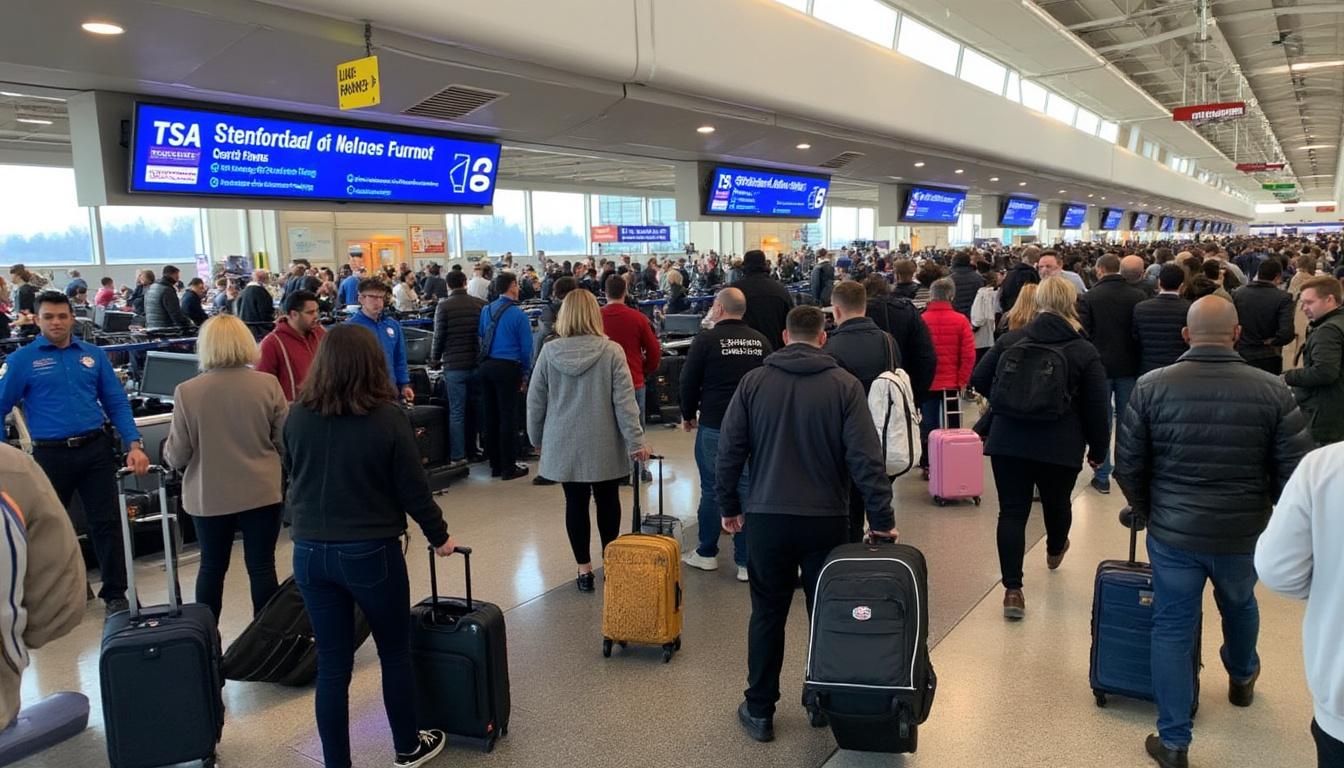
TSA Winter Holiday Travel Tips at Detroit Metro Airport: What Travelers Should Know
TSA guidance is front and center as the holiday travel rush intensifies at Detroit Metro Airport. Screening teams urge passengers to prepare for heightened passenger screening and to adopt simple routines that speed lines and reduce stress. Practical habits — from organizing IDs to understanding the 3.4-ounce liquids rule — can shave minutes or even hours off wait time when checkpoints are busiest.
Essential screening rules and common pitfalls
Officers emphasize a few non-negotiables. Travelers should present a valid form of identification such as a REAL ID or passport and keep it easily accessible. For domestic trips, the baseline recommendation has traditionally been to arrive two hours before departure; however, with a pronounced travel surge and reports of weekend disruptions at DTW, adding an extra 30–60 minutes is advised. This approach reflects a pragmatic read on both airport congestion and the unpredictable nature of last-minute staffing or weather impacts.
Practical examples help: a couple traveling for a mid-December visit saved an hour by pre-loading boarding passes, removing shoes in advance, and placing electronic devices in an easily reachable bin. Conversely, a family that wrapped gifts solidly into luggage found delays because officers needed to unwrap presents to determine whether contents required additional checks. To avoid such delays, the TSA guidance is clear: do not wrap presents in checked or carry-on bags.
Small items with big consequences
Not all holiday items behave the same during screening. A common source of confusion is the snow globe. Most snow globes contain more than the allowable 3.4 ounces of liquid, making them unsuitable for carry-on. When the checkpoint identifies a non-compliant snow globe, the passenger faces either surrendering the item or checking it, which can delay both the individual and the line behind them.
Another often-overlooked tip: place gifts inside clear or easily searchable bags so that screening officers can quickly inspect contents without disturbing wrapping paper. This small act respects both travel safety protocols and the traveler’s desire to keep presents intact. Travelers should also pack electronics toward the top of carry-on luggage for simple removal during the x-ray process.
For families traveling with children or someone who benefits from sensory accommodations, Detroit Metro Airport has invested in amenities to ease stress at security and concourse areas. Those with specific questions can consult TSA resources or local airport information for guidance on expedited screening lanes, family lines, or special assistance. The combined aim is to maintain airport security standards while preserving traveler dignity and comfort.
To supplement official guidance, a set of curated resources offers practical day-of-travel suggestions, including step-by-step packing lists and health-oriented strategies to stay alert while moving through busy terminals. For example, the guidance on holiday travel tips and the TSA-specific page at tsa holiday travel tips provide accessible checklists and reminders for travelers of all experience levels.
Insight: Treat the security line as part of the journey — proactive preparation around identification, liquids, and gift presentation streamlines passenger screening and preserves precious holiday time.
Managing Airport Congestion During the Holiday Season at Detroit Metro Airport
The travel surge hitting terminals across the country is especially visible at Detroit Metro Airport. DTW projects over 4 million travelers for the holiday window, marking a notable uptick as airlines and airports handle both peak volumes and seasonal weather variability. Local reporting has documented hundreds of flight delays in a single weekend early in the season, a concrete sign that capacity strain can rapidly translate into disruption for passengers.
How DTW is preparing and what that means for passengers
Efforts to reduce friction at the airport include expanded retail and service options, sensory rooms to help travelers with heightened needs, and streamlined entry points to security. For many travelers, these adjustments make a real difference: shorter lines at amenities, clearer signage, and dedicated lanes for families or those needing assistance can shave off stress when seconds count between curbside drop-off and boarding.
Real-world scenarios are instructive. A business traveler passing through McNamara Terminal in early December found concierge-style wayfinding and improved signage reduced the time spent locating gates by nearly 15 minutes. Another family, arriving during peak afternoon hours, used a dedicated family lane and found officers particularly willing to explain procedures for carry-on gifts. These small interactions reduce anxiety and make the screening process feel collaborative rather than adversarial.
Table: Key holiday travel metrics and implications
| Metric | Michigan 2025 | National 2025 | Detroit Metro Airport (DTW) | Notes |
|---|---|---|---|---|
| Travelers (≥50 miles) | ~4,000,000 | ~122,000,000 | Projected >4,000,000 during holiday window | AAA estimates and airport projections indicate increased demand |
| Road vs Air | 3.5M road / ~220,000 air | Majority by road | Higher terminal foot traffic and curbside demand | Driving remains dominant in Michigan |
| Average Holiday Ticket | — | ~$900 | Prices fluctuate; holiday-day fares may be cheaper | AAA and travel analysts note price peaks around major holidays |
| Documented Delays | — | — | 700+ delays reported over a recent Friday–Sunday | Reflects weather, staffing, and operational constraints |
In this environment, passengers who monitor flight status via airline apps and set push alerts experience far fewer surprises. The travel advisory from local experts recommends arriving earlier than the minimum suggested time and keeping flexible expectations: rebook windows can be constrained during a surge, and seat availability may evaporate quickly. For guidance on managing peak congestion around Thanksgiving and other holidays, resources like peak congestion Thanksgiving and winter travel tips are helpful, offering concrete scheduling strategies.
Finally, for travelers transporting pets or those with special transit needs, planning ahead is critical. Parking availability, curbside processing, and pet relief areas can be unpredictable at peak times; consult the airport website and consider arriving even earlier to manage logistics. The objective is simple: reduce friction so travelers can move from arrival to gate with clarity and calm.
Insight: Anticipate congestion by adding buffer time, using flight alerts, and taking advantage of DTW’s improved passenger services to convert extra wait time into a smoother journey.
Watching a short explainer video can clarify steps to move through security quickly and highlight the layout of key terminals and services.
Smart Packing and Gift Screening: Travel Tips to Smooth Flying Through DTW
Packing for the holiday season at Detroit Metro Airport requires more than a checklist; it demands foresight. The top aim is to prevent security holds and ensure that gifts, liquids, and electronics do not force an unexpected stop at the screening line. Thoughtful packing for the holiday season is a concrete way to translate travel tips into less stressful transit.
Packing rules that travelers often forget
Begin with liquids: the familiar 3.4-ounce rule applies to carry-ons. Snow globes, despite their festive appeal, exceed this limit and should be checked or shipped. Another common oversight is wrapping paper; TSA officers may need to unwrap presents in checked luggage, creating delays and potentially damaging items. To avoid these scenarios, place unwrapped gifts in labeled bags or containers that are easy to inspect.
Electronics deserve special handling. Laptops, tablets, and larger devices should be accessible and placed in a bin during x-ray screening unless traveling with TSA PreCheck benefits. Small batteries and electronic accessories should be stowed to avoid confusion. Labeling chargers and adapters can also speed retrieval at the gate and reduce stress during connections.
Advice for travelers with pets and special items
Pet owners should consult dedicated guidance to ensure a smooth process. Requirements for pet carriers, health documentation, and carrier dimensions vary by airline and destination. For a practical guide, resources like travel tips for pets and pet travel tips offer checklists and examples of successful pet travel itineraries.
In addition, items such as medications, breast milk, and specialized medical devices receive special consideration but may still require inspection. Keep medications in original packaging and declare any liquids or gels that exceed normal limits so officers can process them without delay.
- Carry-on checklist: ID and boarding pass, essential medications, electronics accessible, unwrapped gifts in clear bags, liquids in 3.4 oz containers or in checked luggage.
- Checked baggage checklist: Bulky gifts, snow globes securely cushioned or shipped, spare shoes and layers, and copies of travel documents.
- Pet checklist: Carrier approved by airline, vet certificate if required, contact info, and acclimation time before travel.
Packing strategically reduces the need to re-enter lines or make hurried purchases at the airport. For travelers who value stepwise guidance, curated pages like travel tips for smooth flying provide specific techniques for minimizing delays and enhancing comfort when the terminal is busiest.
Insight: Smart packing isn’t just about fitting everything into a bag — it’s about preempting screening issues to preserve time, dignity, and the joy of the holiday journey.
Travel Safety and Passenger Screening: How TSA Keeps Flights Moving During the Holiday Season
Maintaining robust airport security while accommodating a surge of passengers requires coordination across agencies, airlines, and ground operations. TSA’s role centers on effective passenger screening that balances thoroughness with efficiency, especially during the intense weeks surrounding Christmas and New Year’s Day.
Operational priorities and traveler expectations
Key operational goals include clear communication about ID rules, proactive staffing at peak hours, and promoting programs like TSA PreCheck that reduce individual screening times. TSA regional spokespeople routinely remind passengers to present valid IDs and to have boarding passes ready. Beginning February 1, 2026, enforcement around acceptable IDs will shift; travelers should prepare by verifying documentation well before travel dates.
Examples of process improvements include increased use of automated screening lanes, which can move more people per hour through checkpoints, and better signage to reduce line crossovers that slow throughput. On the ground, airlines coordinate gate assignments and rebooking processes to minimize the domino effect caused by delays. Together, these measures create a more resilient flow across a complex travel system.
Health, safety, and staying informed
Health-minded travel behavior is another piece of the safety puzzle. Travelers who follow healthy holiday travel tips — staying hydrated, managing sleep, and keeping hand sanitizer accessible — are better prepared to navigate long lines and unexpected layovers. Airports also increasingly provide resources for mitigating fatigue, such as quiet spaces and family rooms.
For passengers seeking to expedite screening legally and safely, enrolling in trusted traveler programs yields consistent benefits. However, travelers who do not qualify for such programs can still shave minutes off their journey by using organizational strategies: consolidated small items, pre-printing or downloading travel documents, and wearing shoes that are easy to remove if required.
Historical examples provide perspective: past seasons with similar passenger volumes saw the most disruption when weather and staffing coincided. In such cases, transparent communication from airports and airlines — via apps, email, and text — helped rebook millions of passengers with minimal additional stress. Detroit Metro Airport’s continued investment in passenger services and communication platforms aims to replicate those smoother outcomes this holiday season.
Insight: The TSA’s layered approach — combining technology, staffing, and traveler education — keeps security rigorous while enabling more travelers to reach loved ones safely and on time.
Viewing official screening demonstrations clarifies what items need removal and how to arrange your carry-on for the most efficient inspection.
Planning Alternatives and Insider Travel Tips for a Smoother Holiday Season at DTW
Flexibility is the traveler’s best friend during the holiday season. Those willing to consider alternative travel days, routes, or modes can often avoid the worst of airport congestion while saving on costs. For instance, flying on holiday days such as Christmas Day or New Year’s Day can produce surprisingly lower fares compared with peak holiday flights.
Alternative planning strategies and real-world examples
AAA data showing higher overall travel this season also highlight behavioral patterns: many Michiganders opt for road travel, creating heavy stretches on interstates that can push some to fly instead. For others, shifting departure by a day or choosing less-busy midday flights can cut risk. One family that swapped a Friday departure for a Sunday evening flight avoided a multi-hour delay and arrived ready to celebrate.
A realistic plan includes a mix of pre-travel actions: select seats early, sign up for airline updates, and use parking alternatives such as off-site lots with shuttle service when terminal parking is full. For travelers with pets or specialized gear, exploring options like shipping beloved but fragile holiday items ahead of time can preserve both convenience and sentiment.
Resources and curated guidance
Curated travel guides help translate general advice into actionable steps. For broader inspiration and destination-specific planning, pieces like Spain travel essentials 2025 or family getaways tips demonstrate how scheduling flexibility and local knowledge create smoother trips. Meanwhile, targeted pages such as holiday winter travel tips offer checklists for weather-related contingencies.
To illustrate a final practical playbook, consider this compact checklist of actions before leaving home:
- Check flight status and set app alerts at least 48 hours in advance.
- Pack gifts unwrapped and keep liquids within 3.4 oz if carried on.
- Confirm ID validity, especially if anticipating travel rules updates.
- Consider off-peak travel days and arrive early to parking or curbside loads.
- Have contingency options for rebooking, including flexible tickets or airline assistance contacts.
These steps embody a traveler-first mindset: preparation minimizes surprises and preserves the true purpose of holiday travel — connecting with family and friends. By combining official travel tips, airport resources, and a willingness to adapt, passengers can move more confidently through airport security and reclaim time for what matters most.
Insight: Treat planning as part of the celebration — flexibility, layered preparation, and timely use of resources transform the holiday journey from a stress point into a confident passage.