

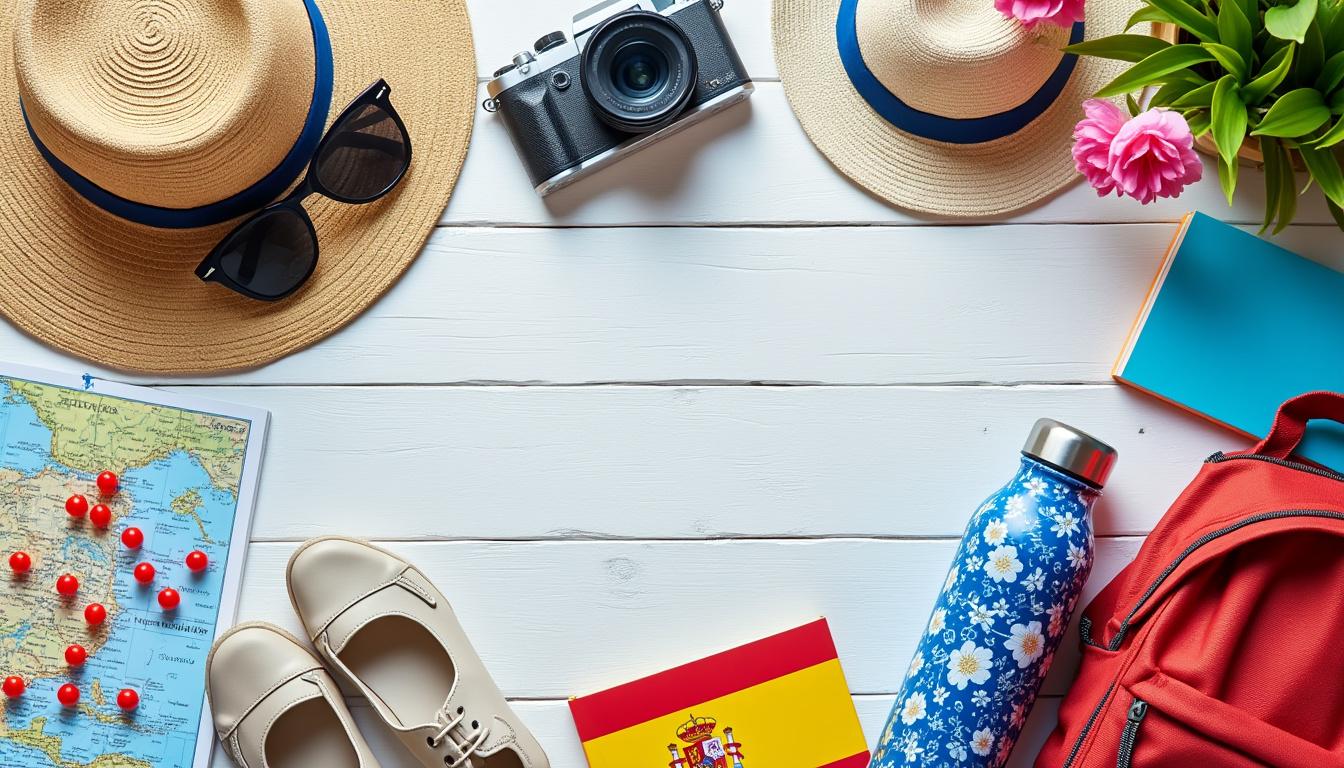
Essential Connectivity: eSIM and Digital Preparation for Spain 2025
Spain in 2025 is more digitally driven than ever, and connectivity has become one of the most important travel essentials for first-time visitors. With the country expecting to surpass 100 million international visitors this year, airports and attraction entry points increasingly rely on QR codes, mobile boarding passes, and messaging apps to coordinate travel. That surge affects lines, access, and the speed at which services operate.
Consider a traveler named Lucas as a guiding thread. Lucas arrives in Madrid with an eSIM installed and activated just before landing. The airport transfer message, the QR check-in for a boutique hotel, and last-minute meeting-point updates from a walking tour operator all flow through a single phone connection. Because Lucas avoided the airport SIM line, time was preserved and stress reduced.
Why an eSIM beats a physical SIM at arrival
The major advantages of an eSIM include instant activation, no need to exchange passports at crowded kiosks, and competitive pricing from reputable providers. The activation process can be completed at home and verified before departure, removing the risk of being offline when a QR ticket or meeting link is requested at the gate.
Buy an eSIM at least 24 hours before flying, test data, and set roaming preferences. This simple step aligns with modern travel preparation and makes digital systems work for the itinerary rather than against it.
- Benefits: immediate connection after landing, cheaper than airport kiosks in many cases.
- Risks of not preparing: missed tours, inability to show digital tickets, time wasted in queues.
- Practical tip: keep a backup PDF of key tickets offline in case of device issues.
| Option | Activation Time | Typical Cost |
|---|---|---|
| eSIM | Minutes (pre-activation) | Moderate — competitive |
| Airport physical SIM | 30–60 minutes (queues) | High — airport premiums |
| Public Wi‑Fi | Immediate | Free but unreliable |
Digital channels are also the primary route for communication with local services. Hotels often send arrival instructions and keys via WhatsApp, and many guided experiences depend on real-time updates. For first-time visitors, this means an early investment in reliable mobile data pays off in time saved and reduced confusion.
Practical examples show the difference. A reservation at a boutique hotel in Barcelona was confirmed via QR two hours before arrival; with no data, a traveler waited in a long desk line while those with eSIMs walked straight to keys and luggage storage. Another group received a last-minute change to their Alhambra time slot and avoided missing the entry only because of instant messaging.
- Set up the eSIM one day early and verify the data works.
- Keep screenshots of essential tickets as an offline fallback.
- Use secure apps for payment and confirmations; enable banking app alerts.
Additional travel advice that complements digital readiness includes general cost-saving strategies and smooth-flight planning; readers can pair connectivity planning with practical money-saving techniques from sources such as save money travel tips and pre-flight checklists like travel tips for smooth flying.
Key insight: arriving with mobile data transforms the first hours in Spain from a scramble into a seamless step into local life, and setting up an eSIM in advance is among the most impactful items on any Spain travel checklist.
Booking Spain’s Major Attractions: Timing, Tickets, and Smart Reservations
Securing entrance to Spain’s most iconic sites demands foresight. Sites like the Sagrada Familia, Alhambra, and Park Güell use timed entries and dynamic pricing that reward early planning. For first-time visitors, booking major attractions weeks in advance avoids disappointment and often saves money.
Lucas, the recurring traveler, planned his Madrid-to-Granada leg around fixed entry windows for the Alhambra. By locking in the main Nasrid Palaces early, the day’s schedule was predictable and relaxed. This avoids the common issue where walk-ins are turned away or offered truncated access that omits the best parts of a site.
How dynamic pricing and crowd limits affect planning
Dynamic pricing can raise or lower ticket costs by 20–40% depending on demand and season. This is particularly true during festival windows and peak months. Crowd-control policies now enforce strict entry windows, and some rooms or courtyards are limited to a small number of visitors per time slot.
Booking ahead therefore changes more than cost: it shapes the entire day. A timed slot at the Alhambra determines meal choices, neighborhood visits, and onward transport. The traveler who secures attractions early gains control over the itinerary rather than reacting to availability.
- Best practice: reserve tickets 2–6 weeks ahead for peak season, earlier for high-demand dates.
- Consider shoulder seasons for lower prices and smaller crowds.
- Verify refund and transfer policies in case plans shift.
| Attraction | Recommended Booking Window | Typical Price Variation |
|---|---|---|
| Sagrada Familia | 2–6 weeks | Up to 30% higher at last minute |
| Alhambra (Nasrid Palaces) | 4–8 weeks | Dynamic pricing + limited entries |
| Park Güell | 1–4 weeks | Moderate, peak weekends pricier |
Steps for a reliable booking strategy:
- Identify the non-negotiable attractions and check official ticket windows.
- Book online through official sites or trusted resellers; avoid last-minute scalpers.
- Record QR tickets offline and ensure the eSIM or data plan supports on-the-spot access.
Case examples highlight the stakes. During Semana Santa and summer months, the Alhambra frequently sells out, particularly the Nasrid Palaces segment. Travelers without pre-booked tickets arrive only to be rerouted to limited courtyard access, missing the key rooms that define the visit. In other cases, booking early unlocked discounted guided tours that included skip-the-line benefits which directly offset the ticket price.
Planning tools and ancillary resources can reduce friction. Use calendar reminders for entry windows, combine attraction times with train schedules, and apply money-saving tips from guides such as holiday travel tips for broader seasonal planning. If flight plans are uncertain, consult resources on potential disruptions like flight diversion tips to build flexible contingencies.
Key insight: booking the major sites well in advance converts a list of “must sees” into a manageable daily plan and avoids missing the defining experiences of Spain tourism.
Mastering Spain’s Meal Timings and Local Daily Rhythm
Understanding local meal habits is a soft skill that dramatically improves any visit. Spain’s eating schedule differs from many countries: lunch is often the main meal and dinner typically starts late. For first-time visitors, adapting to this tempo makes dining more enjoyable and reduces frustration in daily logistics.
Use the fictional traveler thread again: Ana, traveling with a small group, learned to plan around the menu del día. By timing cultural visits to end before the typical lunch window, Ana’s group enjoyed generous, affordable lunches that fueled long afternoon strolls rather than rushed early dinners.
Core elements of the Spanish daily timetable
Typical local hours vary by region, but general patterns hold true across cities and towns. Lunch often runs from 1:30 p.m. to 4:00 p.m., with the best menu del día deals available earlier in that window. Evening service usually opens after 8:30 p.m. in larger cities and even later during peak summer nights in Mediterranean towns.
Respect for these rhythms pays practical dividends. Restaurants will sometimes pause kitchen service in the late afternoon; walking in at 6:00 p.m. can mean being told to return later. Reserve evening tables if dining in popular neighborhoods or taking a night-time culinary walking tour.
- Tip: schedule major museum visits for mornings and reserve late afternoons for relaxed lunches.
- Use reservations for dinner, especially in Barcelona, Seville, and San Sebastián.
- Try the menu del día for a value-driven introduction to regional cuisine.
| City/Region | Typical Lunch Hours | Typical Dinner Start |
|---|---|---|
| Madrid | 1:30–3:30 p.m. | 9:00–11:00 p.m. |
| Barcelona | 1:30–4:00 p.m. | 9:00–11:30 p.m. |
| Andalusia (Seville) | 2:00–4:00 p.m. | 9:30–12:00 a.m. |
Practical dining strategies that work well:
- Book dinner reservations several days ahead for sought-after restaurants.
- Arrive for lunch around 2:00 p.m. to enjoy the freshest menu del día options.
- Explore tapas bars between meal windows for flexible, informal eating.
Examples illustrate the point. At a small tapas bar during Feria de Abril, a group that skipped reservations at night waited over an hour in the rain, losing sightseeing time. Conversely, reserving a 10:00 p.m. table in Seville turned a potential evening of waiting into a relaxed meal followed by a flamenco show.
Additional resources on planning around busy seasons and travel with family can be helpful. For instance, family-centric timing tips from travel resources like family getaways tips aid in scheduling meals for multi-generational groups. For travelers with pets, aligning mealtimes and service access with pet-friendly spaces can use guidance from travel tips for pets.
Key insight: embracing Spain’s daily rhythm—late dinners, long lunches, and flexible tapas breaks—turns potential schedule friction into part of the local experience.
Getting Around Spain 2025: Trains, Metros, and Smart Transport Choices
Transportation choices shape both the budget and the leisure of a trip. Spain’s metro systems and high-speed rail connect major cities efficiently, often more reliably than taxis during festival weekends and peak tourism months. For first-time visitors, prioritizing public transport in cities and trains between them is one of the clearest must-have items on any Spain travel checklist.
Lucas’s itinerary used the AVE for Madrid–Barcelona travel, gaining two and a half hours of city-center-to-city-center movement compared to flying and saving time that would be consumed by airport transfers. This change freed up a full afternoon to explore local neighborhoods without rushing.
Comparing transit modes: when to ride, when to reserve
Spain’s public transport network includes robust metro systems in Madrid and Barcelona, regional trains, and high-speed services such as AVE, OUIGO, and Iryo. These options deliver fast, predictable travel between major points and often offer better value when factoring in time saved and city-center arrivals.
Taxis remain useful for late-night returns or when carrying heavy luggage. However, during events such as Las Fallas or Feria de Abril, taxi prices surge and road congestion lengthens travel times. In those cases, metros and pre-booked trains are the smarter choices for cost and reliability.
- Tip: use metro cards for multiple rides in cities to reduce per-trip costs.
- Reserve high-speed train tickets early for the best fares.
- Download local transit apps and keep offline route maps as backup.
| Route | Typical Time | Considerations |
|---|---|---|
| Madrid–Barcelona (AVE) | ≈2.5 hours | City-center to city-center, book early |
| Inside Barcelona (metro) | Varies by route | Efficient for Gothic Quarter, La Rambla |
| Regional bus | Longer for rural links | Good for smaller towns and coastlines |
Real-world anecdotes underline practical decisions. During a Valencia festival weekend, taxis became scarce and expensive, and travelers who relied on metro and tram lines reached venues faster and with less expense. In a different case, an early booking on a night train to Galicia turned a travel night into restful sleep and a full day upon arrival.
For flexible road travel, van life solutions offer freedom outside urban centers. Resources such as vanlife essentials tips for comfortable travel work well for those planning coastal or rural loops. For air travel contingencies, checking guides on possible diversions helps maintain calm; see practical notes on flight diversion tips.
Key insight: choosing trains and metros over taxis in busy zones and pre-booking long-distance seats reduces costs and maximizes sightseeing time in Spain 2025.
Packing Essentials and the Ultimate Spain Travel Checklist
Packing is where planning turns into tangible readiness. A practical Spain travel checklist balances climate, activities, and the digital needs that the country demands. With rising visitor numbers in 2025, being prepared avoids extra spending on last-minute purchases and ensures smoother navigation through busy tourist hubs.
Ana’s packing choices illustrate an effective approach. She prioritized lightweight layers for variable coastal and inland weather, a daypack for city walks, comfortable shoes for cobbled streets, and a phone-ready organization for QR tickets—all items that directly influence daily ease.
Core items and why they matter
Essential items should include a reliable portable charger, universal adapter, comfortable walking shoes, and a small umbrella or lightweight rain jacket. Digital preparation should be paired with physical backups: printouts of critical reservations and a compact folder for tickets can save the day if a device fails.
- Must-have items: phone charger, eSIM confirmation, travel insurance info, photocopies of passport pages.
- Packing tips: roll clothing to save space, use compression sacks, pack a small first-aid kit.
- For beaches: quick-dry towel, reef-safe sunscreen, and a hat.
| Category | Recommended Items |
|---|---|
| Documents & Digital | Printed tickets, eSIM QR, insurance, QR-coded confirmations |
| Clothing | Layers, walking shoes, light jacket, sun protection |
| Extras | Portable charger, reusable water bottle, foldable daypack |
Special considerations for families or travelers with pets are important. If traveling with children, pack snacks and entertainment for long train trips and consult family-oriented resources like family getaways tips.
Travelers with pets should check entry rules and pack pet essentials; guides such as travel tips for pets provide useful checklists and reminders for cross-border moves.
Finally, money-saving and last-minute strategies should be part of the toolkit. Combining careful packing with pre-booked services and local advice prevents unnecessary purchases, and articles on saving money while traveling can complement a packing plan—see save money travel tips for ideas.
Key insight: a thoughtful packing strategy that covers digital readiness, clothing versatility, and contingency supplies is the final piece of effective travel preparation for Spain in 2025.