

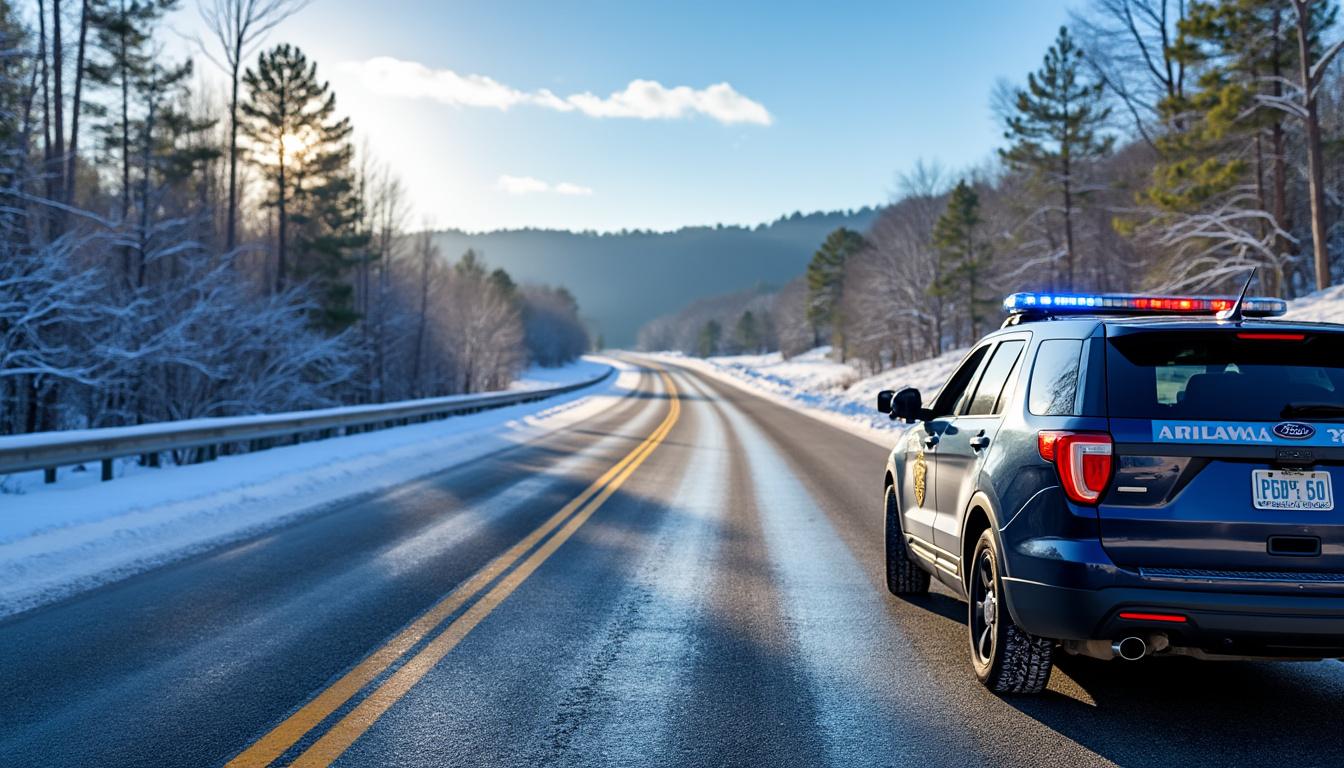
How to Prepare for Winter Travel in South Carolina: Practical Steps for a Safe Journey
Preparation sits at the heart of every reliable plan for Winter Travel. Before departure, a clear checklist prevents rushed decisions that can turn a routine trip into a crisis. The South Carolina Highway Patrol emphasizes that thoughtful planning and the right supplies are essential to ensure a Safe Journey when winter weather threatens highways, bridges, and rural roads.
Start with an accessible packing strategy focused on essentials. The core of preparation is an Emergency Kit that balances survival, communications, and basic comfort. This kit should be stored where it can be reached quickly from the driver’s seat and refreshed each season.
What goes into a resilient emergency kit
Practical lists help avoid omissions when assembling supplies. A solid kit for winter travel includes warm blankets, a flashlight with extra batteries, nonperishable snacks, a first-aid kit, a portable phone charger, and jumper cables. Add traction aids such as sand or kitty litter in a small container, and pack a high-visibility vest or reflective triangles to increase visibility during roadside stops.
Experts also recommend water in sealed containers, a compact shovel, gloves, and hand warmers. Documents like insurance cards and vehicle registration should be photocopied and kept in a waterproof pouch. Keeping certain items in both the cabin and the trunk—such as an extra coat and a pair of waterproof boots—can be lifesaving when access to the trunk is blocked by snow or ice.
Checklist and quick reference
- Emergency Kit essentials: blankets, flashlight, first-aid kit, phone charger.
- Vehicle-specific supplies: jumper cables, tire patch kit, portable air compressor.
- Safety and visibility tools: reflective triangles, high-visibility vest, duct tape.
- Personal comfort items: nonperishable snacks, water, warm clothing, hand warmers.
- Documentation and communication: printed maps, insurance papers, emergency contact list.
For travelers comparing road versus other modes of transport, available resources provide guidance on when to choose driving over flying. Those weighing options might consult a practical comparison, such as a discussion on flights vs. road trips, which provides perspective on timing, cost, and logistical trade-offs during winter disruptions.
Vehicle preparations should be scheduled days before travel. Check tire tread and pressure; cold air reduces inflation and affects handling. Top off washer fluid with a winter-grade solution and confirm windshield wipers are in good condition. Pay attention to battery health—a battery that struggles with cold starts is a frequent culprit in roadside immobilizations.
| Item | Purpose | Recommended Frequency |
|---|---|---|
| Battery Check | Ensure reliable starts in cold conditions | Annually or before extended travel |
| Tire Inspection | Maintain traction on icy or slushy surfaces | Before a long trip and monthly in winter |
| Washer Fluid (Winter Formula) | Keep visibility clear from salt and grime | Top up before every trip |
| Emergency Kit | Survival and comfort during delays | Check seasonally and after use |
Travelers seeking additional pre-trip advice can browse consolidated tips for seasonal travel planning, such as general essential travel holiday tips and specific guidance on winter policies like winter travel refunds and safety. Local advisories often change rapidly; subscribing to state DOT alerts and trooper notifications adds an extra layer of protection.
An actionable takeaway: assemble a well-labeled Emergency Kit, complete the vehicle checklist several days before departure, and bookmark trusted travel resources. These steps create a foundation for calm, confident travel and set the stage for responsible choices when facing winter conditions.
Winter Driving Tips from South Carolina Highway Patrol for Icy Roads and Snow
The South Carolina Highway Patrol provides targeted recommendations to help drivers navigate slippery surfaces and freezing precipitation. When bridges and overpasses freeze first, troopers stress reduced speed, gentle inputs, and heightened attention. These principles of Winter Driving Tips are designed to reduce crashes, minimize road closures, and keep communities moving.
One practical technique is to adopt a driving rhythm that anticipates reduced grip. Slow acceleration and gentle braking reduce the chance of wheel slip. When encountering an icy patch, hands should be steady on the wheel; sudden corrections amplify instability. Many modern vehicles come with electronic aids—ABS and stability control—that alter how a driver should respond. Understanding how these systems intervene is part of safe operation.
Managing specific hazards
Black ice forms when thin layers of ice become nearly invisible on asphalt. It is most common on shaded sections of road, bridges, and on overnight stretches. Troopers recommend treating suspect surfaces with extreme caution, especially during early-morning commutes when temperatures dip.
Another common scenario involves slush buildup that behaves differently than compacted snow. Slush can deflect into wheel wells, affecting steering, and can hide potholes or debris. In these conditions, slowing to a safe pace and allowing extra following distance gives time to react to sudden decelerations.
Case example: a winter commute on I-26
Consider a commuter returning home on a major interstate. Visibility worsens, and a light glaze appears on the bridge deck. Through prudent behavior—reduced speed, increased cushion, and avoiding lane changes—the vehicle maintains steady progress. Nearby, troopers stage a controlled response to a minor spinout, guiding traffic and preventing a chain-reaction crash. This scenario highlights how small adjustments reduce demands on emergency responders and preserve safety for all road users.
When travel becomes necessary despite warnings, the Highway Patrol encourages travelers to share plans with a contact and provide estimated times. In addition to physical preparedness, that simple communication can speed assistance if a vehicle becomes stranded.
Resources that examine broader travel considerations—such as packing healthy options for trips or planning accommodations—complement these driving-specific directives. For instance, reference material on healthy holiday travel tips and how to prepare stays and lodging like Airbnb 2026 tips can help travelers maintain well-being and contingency plans while on the road.
Troopers also advise that if a vehicle begins to skid, remain calm: ease off the accelerator, steer gently in the direction of the skid to regain alignment, and avoid heavy braking unless ABS engages. These actions support vehicle recovery and reduce the likelihood of secondary impacts.
Maintaining a mindset focused on preservation—rather than speed—aligns with official guidance. Slow, deliberate actions reduce strain on both the motorist and the emergency services tasked with winter incident response. This mindset is the key insight for safe operations in icy conditions.
Vehicle Maintenance and Travel Preparedness: Ensuring Reliability Before Departure
Proper maintenance is the backbone of Travel Preparedness. Vehicles prepared for winter conditions perform predictably and resist minor problems from escalating into full-scale breakdowns. This section outlines maintenance priorities, practical diagnostics, and vendor options for last-minute inspections.
Begin with the battery. Cold weather reduces chemical activity inside batteries, lowering cranking power. A simple load test at a service station can reveal weakness before the first cold night. Replacing a battery that shows signs of decline is a small investment compared to being stranded on a rural road when temperatures fall below freezing.
Tire strategies and traction choices
Tire selection influences braking and cornering performance. Where winter storms are occasional rather than persistent, high-quality all-season tires with good tread depth may suffice. However, drivers who encounter snow or packed ice more frequently should consider winter-specific tires, which have rubber compounds and tread patterns engineered for cold-grip performance.
Tire pressure requires regular attention; pressures drop with falling temperatures. Carry a portable gauge and a compact compressor to adjust inflation on the go. For drivers traveling through zones with heavy salting, washing the undercarriage after trips protects the chassis and brake lines from corrosion.
Fluids, lights, and wipers: small checks with big returns
Check antifreeze concentration to prevent freezing in extreme conditions. Windshield washer fluid should be winter-rated to resist freezing and to clear road spray effectively. Replace wiper blades showing streaks or lifting; visibility is the single most important active safety factor during storms.
Lighting is another often-overlooked element. Winter daylight can be short and visibility poor. Ensure headlights, taillights, and fog lights are clean and functioning. A set of spare bulbs is a pragmatic addition to the vehicle’s emergency kit.
For travelers reserving lodging or making platform choices under winter constraints, insight on accommodation planning helps reduce uncertainty. Practical suggestions for flexible booking and contingency options are available in resources like Airbnb 2026 tips and broader travel hacks at reliable travel hacks.
Finally, maintain a mental checklist: confirm insurance coverage and roadside assistance details, review rescue procedures if stuck, and ensure all occupants know basic safety actions. Regular preventive actions dramatically lower the odds of mid-trip repairs and create a more secure travel experience.
Keeping a disciplined maintenance routine and combining it with an actionable travel plan delivers the practical reliability every winter trip needs; this is the operational advantage that preserves both time and safety.
Weather Awareness and Reading Road Conditions: Making Informed Decisions
Weather drives decisions during winter travel. Understanding forecasts, live road conditions, and the implications of advisories from transportation agencies allows travelers to choose whether to delay, reroute, or proceed cautiously. Accurate Weather Awareness converts uncertainty into informed action.
Start by subscribing to local alerts from state agencies. The South Carolina Department of Transportation and related authorities provide updates on closures, salt truck deployment, and major incidents. Real-time information reduces guesswork and prevents unnecessary exposure to hazardous stretches of highway.
Interpreting advisories and forecasts
Advisories vary in severity and purpose. A wind advisory differs from a freezing rain warning; each demands a different response. For example, a freezing rain forecast merits avoiding travel if possible because ice accumulation creates uniformly hazardous conditions. In contrast, light snow with clear road treatment windows may permit travel with stricter speed control and preparedness.
When in doubt, plan alternatives. Rerouting to lower-elevation roads, delaying departure until road treatment completes, or choosing a later travel window often reduces risk. Public resources that discuss when to postpone travel, such as broad guides on travel tips for winter weather, can reinforce decision-making frameworks for travelers.
Tools and on-road verification
Several tools support condition assessment. Smartphone apps offer traffic camera feeds and live road sensor data, while state DOT portals post road condition maps. When passing through county lines, note that treatment strategies vary; a two-lane rural road may not receive priority for plowing compared to interstates.
Visual cues remain essential. Thin, glossy surfaces in shaded gaps commonly indicate black ice. Bridge decks and overpasses freeze faster than other road sections due to air circulation under the pavement. Spotting these cues early enables timely speed reductions and lane stabilization that avert accidents.
For longer journeys, combine weather awareness with flexible travel products and booking approaches. Travelers monitoring policies on cancellations and refunds will find guidance in resources like winter travel refunds and safety. These policies can influence whether to press on or to rebook without financial penalty.
Being weather-aware means integrating official advisories, visual observation, and contingency planning into one coherent operational approach. That integration empowers better choices and a calmer response to winter surprises on the road.
Insight: when forecasts and on-the-ground signals contradict, give priority to localized real-time observations and official road reports; prudent adjustments follow.
Emergency Responses and Best Practices for a Safe Journey During Winter Travel
Emergency scenarios require clarity and calm. Winter incidents span immobilizations, collisions, and health-related crises. The South Carolina Highway Patrol and allied responders recommend a consistent set of actions designed to preserve life and enable timely assistance during winter conditions.
Immediate actions after a breakdown or crash
If the vehicle remains operable, pull completely off the roadway to a safe spot and activate hazard lights. Place reflective triangles or flares behind the vehicle if available to warn approaching drivers. Communicate location clearly when contacting emergency services and provide details about the condition of occupants. These steps facilitate quick and efficient responses from troopers and tow services.
If the vehicle is disabled in severe cold, staying with the car is usually safer than walking for help, especially at night or in poor visibility. Running the engine periodically for heat is acceptable if the exhaust pipe remains clear of snow; otherwise, carbon monoxide poisoning becomes a major hazard. Crack a window slightly to ensure ventilation during any extended idling period.
Communication and health precautions
Maintain a charged phone and a backup power source in the emergency kit. Share estimated routes and arrival windows with a trusted contact before departure. If anyone shows signs of hypothermia—shivering, confusion, slurred speech—shield them from wind, remove wet clothes, and provide warm, non-alcoholic fluids if conscious. Basic first-aid training proves invaluable in managing small injuries until help arrives.
- Keep a list of emergency contacts, including local non-emergency police numbers and the Highway Patrol.
- Know the basics of vehicle self-recovery, such as clearing a path around tires and using traction aids safely.
- Store thermal blankets and a small camping stove or heat packs for longer exposures when shelters are distant.
Beyond immediate responses, planning for alternatives reduces panic. Travelers who pre-arrange flexible lodging or maintain access to ride-share and shuttle options can shorten exposure time during unpredictable weather. Guidance on broader holiday safety and departmental tips is available in compilations such as DPS holiday safety tips and regional winter road advice at safe winter road travel.
Case study: a family en route to a holiday gathering experienced a minor spin on a salt-treated stretch. Using their prepared kit, they signaled for help, stayed warm with blankets, and shared location data with the Highway Patrol. Troopers arrived promptly, cleared the vehicle, and assisted with towing. This real-world example highlights how preparedness shortens response times and preserves well-being.
Final insight: cultivating a calm, prepared approach—combining an equipped Emergency Kit, clear communication, and known procedures—translates directly into safer outcomes when winter roads become unforgiving.