
Planning Slow Solo Travel: Choosing Destinations and Trip Lengths for Meaningful Adventure
Selecting the right destination is the first step toward a successful solo travel journey that prioritizes depth over haste. Travelers aiming for extended, slow-paced adventures should weigh factors such as safety, infrastructure, cultural offerings, and the capacity to support a slow itinerary. Countries like Japan, Australia, and New Zealand consistently top lists for these attributes because they combine rich local experiences with reliable services and natural landscapes that invite lingering exploration.
One practical approach is to map a travel arc that mixes established hubs and quieter regions. Start in urban centers for initial orientation and logistical ease, then move outward to rural or coastal zones to decompress. For example, a two-week arc might begin with a city for three nights, include a short regional train journey for four nights in a countryside or national park, and finish with leisurely coastal days. This pacing invites self-discovery and sustained immersion rather than a checklist of highlights.
Trip length preferences in 2026 show a trend toward one- to two-week stays for most solo travelers, with a growing niche choosing even longer or open-ended travel. Treat these statistics as guidance, not rigid rules. If planning a longer trip, add micro-goals: learn a few phrases of the local language, volunteer a day at a community project, or try a new culinary skill. Such goals keep momentum without reverting to hurried sightseeing patterns.
When selecting where to go, consider motivation. Is the objective cultural learning, outdoor adventure, culinary discovery, or personal reset? For cultural pursuits, prioritize cities and regions that offer curated workshops, small museums, and food markets. For nature-led slow travel, opt for places with easy access to trails, guided eco-tours, and small lodges that encourage long stays. The aim is to design a trip where each day affords space for reflection as well as new encounters.
Budget considerations are central to trip planning. Choosing destinations with affordable daily costs allows more time on the ground and fewer compromises on experiences. A thoughtful budget includes lodging, local transport, food, activities, and an emergency cushion. For those working while traveling, evaluate internet reliability and co-working options in potential destinations; a slow trip can blend productivity and presence if the infrastructure supports it.
Word-of-mouth remains a primary driver of destination choice. Recommendations from friends and trusted communities carry weight because they reduce uncertainty—especially for solo travelers concerned about travel safety. Look for testimonies that detail actual day-to-day rhythms rather than curated highlight reels. Social platforms still matter for inspiration, but personal referrals often provide more realistic expectations for a slow trip.
Finally, adopt a planning rhythm that balances firm logistics and flexibility. Lock in critical reservations like long-haul flights and initial accommodations, then leave room for serendipity. Build in buffer days to recover from travel fatigue and pivot if a place resonates more than expected. This strategy supports intentional, unhurried exploration and aligns with the slow travel movement’s core tenet: quality of experience over quantity of stops.
Key insight: Prioritize destinations where infrastructure, culture, and affordability align with a long-term travel mindset to enable a slow, unfolding adventure.
Smart Safety and Logistics for Long-Term Solo Travel: Practical Travel Tips and Precautions
Effective logistics and safety practices transform a promising itinerary into a dependable long-term travel plan. Sharing a travel plan with a trusted contact, using secure digital backups for important documents, and identifying safe neighborhoods before arrival are foundational steps. These measures reduce stress and create freedom to engage fully with local experiences.
Start with pre-trip admin. Scan passports, visas, and insurance policies and store encrypted copies in multiple locations. Register relevant trips with local embassy services if available, and note emergency numbers. This prep enables quick action if plans change or situations arise.
On-the-ground safety can be simple yet impactful. Keep valuables in a secure, concealed pouch and use physical locks for luggage. Choose accommodations with good reviews that highlight safety and communication, and consider properties recommended for solo travelers in long-form guides and experienced communities. For women traveling alone, additional resources can advise on local norms and practical precautions; tailored guidance is available from practical solo women travel tips that focus on smart decisions and situational awareness.
Transportation logistics deserve a clear plan. Research public transport hours, reliable taxi or ride-share options, and local driving norms. When booking long-distance travel, aim for reputable providers and understand refund or change policies. For holiday or high-traffic seasons, follow local advisories and consider recommendations like seasonal safety guidance to avoid common pitfalls.
Maintain routine safety habits: always be mindful of exits and lighting in unfamiliar areas, minimize distractions from devices when navigating crowds, and trust instinct in ambiguous situations. Common-sense choices often prevent issues before they escalate. If joining group activities, select organizers with strong safety records; community-based trip leaders can reduce the burden of planning and add an extra safety net.
Useful tools include local SIM cards, portable chargers, and a compact first-aid kit. Consider travel insurance that covers medical evacuation for remote regions, especially when planning activities such as hiking or marine excursions. Many solo travelers appreciate the peace of mind that comes from transparent, comprehensive coverage.
Below is a simple table to help prioritize items and contacts before departure. Use it as a quick checklist that can be adapted to personal needs and destination specifics.
| Category | Items/Actions | Why It Matters |
|---|---|---|
| Documents | Passport scans, insurance info, visa confirmations | Speeds recovery from loss or theft and simplifies verification |
| Contacts | Emergency contacts, local embassy, accommodation host | Ensures quick coordination if plans change |
| Communication | Local SIM, messaging apps, offline maps | Maintains connectivity in remote areas |
| Safety Gear | Padlocks, money pouch, first-aid kit | Reduces vulnerability and prepares for common issues |
Local research remains key. Read neighborhood reviews, seek advice from resident-run forums, and check recent news for safety updates. For cities with complex districts, neighborhood-level awareness prevents accidental missteps and ensures time is spent exploring rather than backtracking.
Key insight: A few deliberate safety routines and clear logistical backups convert anxiety into confidence, enabling deeper engagement with slow travel experiences.
Packing Essentials and Budget Travel Strategies for Long-Term, Slow-Paced Trips
Packing for extended travel requires a balance between freedom and preparedness. The goal is to carry versatile items that support varied climates and activities while minimizing weight. Focus on multipurpose garments, compact electronics, and a carefully chosen medical kit. This strategy allows mobility and lowers the friction of moving between places.
Start with a minimalist wardrobe built around neutral layers. A few base pieces that mix and match reduce the need for frequent laundry and simplify decision-making each morning. Include one smart-casual outfit for cultural events and a lightweight rain shell for unpredictable weather. Packing cubes and compression bags help keep belongings organized and accessible.
Electronics should be pragmatic: a reliable smartphone with offline maps, a compact power bank, and a travel adaptor. For those needing to work en route, a lightweight laptop and noise-cancelling headphones are sensible. For security, portable locks and discreet storage pouches protect essentials.
Budget travel for slow-paced adventures emphasizes time on the ground over costly, rapid transfers. Consider staying longer in one place to obtain weekly rental discounts, cook locally to manage food expenses, and use public transport where safe and efficient. Booking mid-range accommodations with kitchen access stretches budgets and invites local interaction.
Detailed packing lists help avoid last-minute stress. Below is a focused checklist that balances comfort and economy:
- Clothing: 3–4 tops, 2 bottoms, lightweight jacket, versatile shoes
- Toiletries: travel-sized essentials, prescribed meds, small first-aid items
- Tech: phone, charger, power bank, adaptor, portable SSD for backups
- Documents: passport, printed reservations, digital backups
- Extras: reusable water bottle, daypack, lightweight towel
Air travel tips can make a noticeable difference in comfort and cost. For upgrades or seat improvements consider researching strategies that optimize loyalty points and timing; resources explaining common upgrade techniques and hidden opportunities can prove useful. Packing smart also means preparing for airport security with liquids and electronics organized to streamline screening.
For accommodations, platforms continue to evolve. Short-term rentals and community stays provide immersion and often better value for long stays. Practical guidance on navigating modern listings appears in collections such as updated tips for 2026 rentals, which highlight host communication, fees, and local regulations that affect longer stays.
Finally, embrace small rituals that reduce costs and enhance comfort. Cooking a simple local meal once or twice a week, using laundromats for efficiency, and seeking out neighborhood markets deepen the connection to place while conserving resources. Budget travel does not require deprivation; it asks for intention.
Key insight: Thoughtful packing and budget strategies free mental and physical space for the kind of lingering curiosity that defines slow travel.
Cultivating Local Experiences and Self-Discovery During Extended Solo Trips
Slow travel creates room for transformation. Extended stays allow travelers to observe daily rhythms, build rapport with local hosts, and explore cultural practices beyond surface-level tourism. This section follows a recurring character, Maya, who experiments with community cooking classes, neighborhood volunteering, and quiet daily walks to integrate with the locale. Her experiences illustrate how sustained attention leads to meaningful encounters.
Maya’s practice was simple: spend mornings exploring markets, afternoons attending a language exchange, and evenings in cafés where locals gather. Over time, shopkeepers recognized her and invitations to home-cooked meals followed. These connections illustrate how time, not hustle, often yields the richest memories. For travelers seeking similar depth, curated group options can help bridge early gaps; companies focusing on community and cultural learning offer structured ways to meet peers and local experts—see thoughtful options like group travel guidance for 2026.
Engaging local experiences requires humility and curiosity. Learn basic phrases, observe dining etiquette, and attend small cultural events. Participation in volunteer activities or workshops provides context for local life and helps transform a trip into a reciprocal exchange rather than a brief spectacle. This approach also supports deeper self-discovery, as unfamiliar tasks and relationships surface personal habits and values.
Slow trips also benefit from a flexible daily structure. Instead of strict itineraries, design blocks of time with open slots for unplanned invitations. In 2026, many solo travelers prioritized meaningful cultural activities and food experiences over nightlife, reflecting a broader shift toward intentional travel. Research shows that personal referrals and visual inspiration still guide choices, but longer stays enable a more authentic relationship with place.
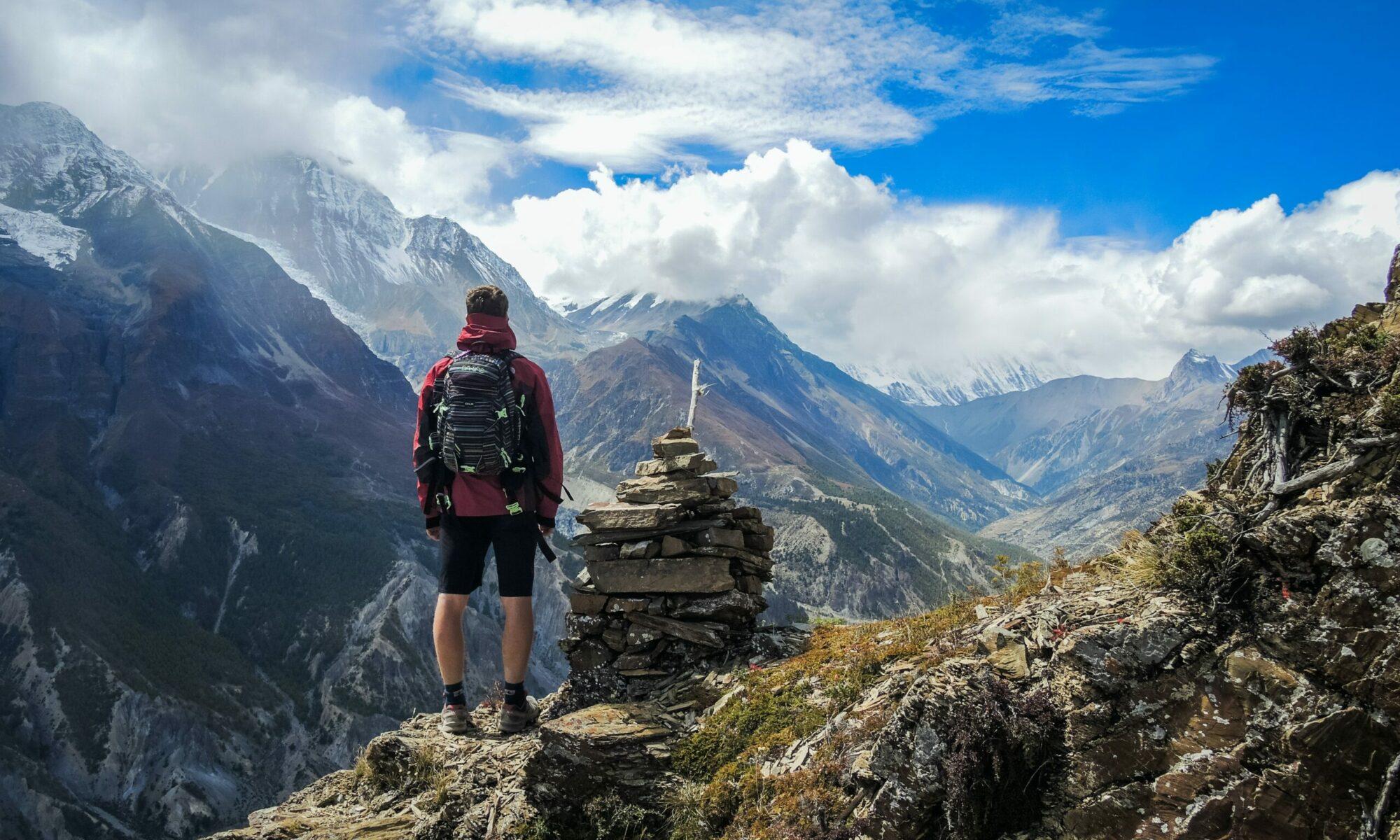
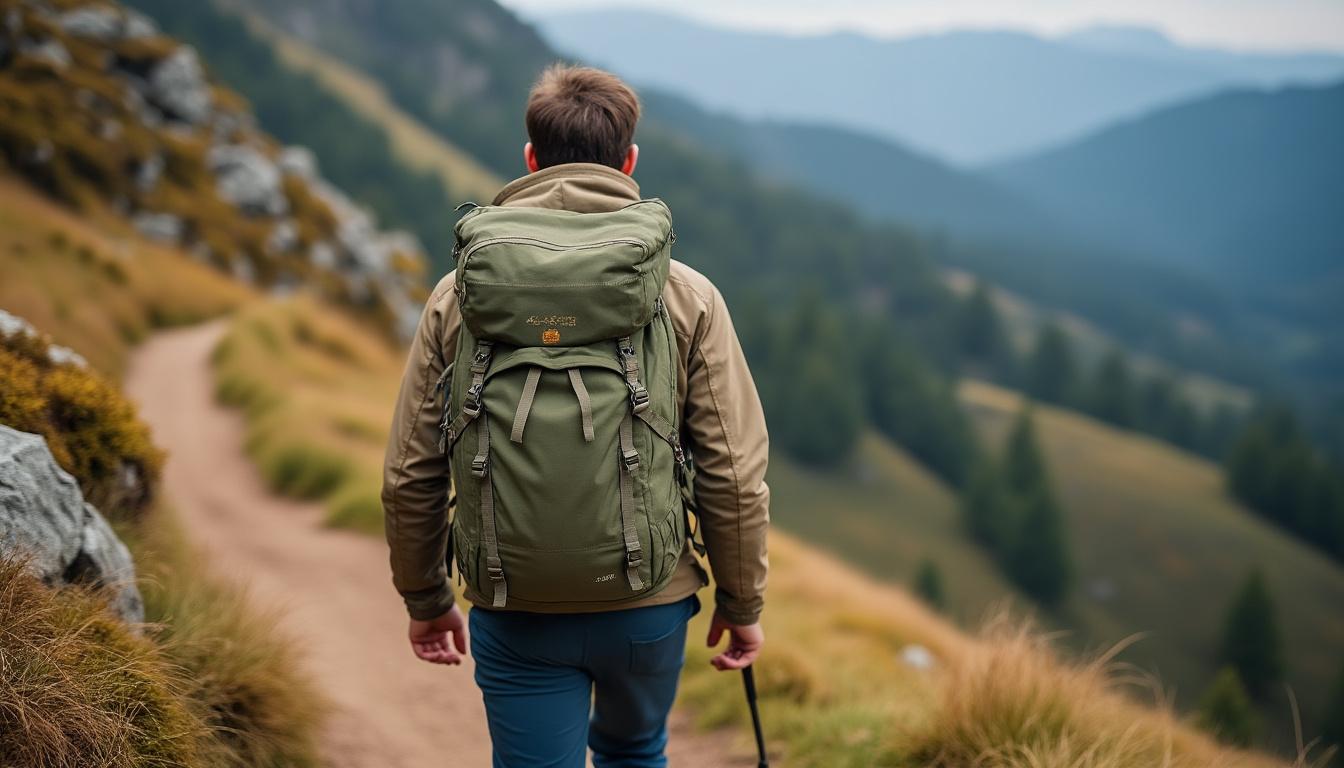
Local guides and small-group activities can catalyze deeper understanding without imposing rigidity. Join a neighborhood walk led by a resident historian, or try a hands-on culinary class that introduces traditional techniques. For adventure-seekers, slow travel pairs well with low-impact outdoor experiences—day hikes, coastal explorations, and guided wildlife observation keep the tempo measured while offering memorable thrills. For ideas that balance activity with slow rhythms, curated adventures such as those described in local and regional adventure guides offer inspiration.
Social connections formed on slow trips often endure. Shared meals, multi-day hikes, and volunteer projects create natural bonding contexts. For many solo travelers, the reassurance of friend referrals is a deciding factor when committing to longer trips; trusting real experiences helps reduce perceived risk and increases willingness to invest time.
Ultimately, slow travel reframes success. The measure shifts from how many sights were ticked off to how present the traveler was in daily life. Maya’s final takeaway from her chapter of travel was not a list of attractions but a few slow mornings spent chatting with a baker—moments that reshaped her sense of time and belonging.
Key insight: Deep local engagement and small, repeated rituals are the engines of self-discovery on extended journeys.
Embracing Spontaneity, Community and Long-Term Travel Rhythms: Final Practical Tips
Extended solo travel flourishes when preparedness meets openness. The tension between planning and spontaneity is best resolved through a flexible framework: secure essentials early, leave room for last-minute discoveries, and prioritize actions that preserve mental and physical stamina. This balance supports both safety and surprise.
Last-minute bookings have become more common, driven by uncertainty and a desire for flexibility. For travelers comfortable with this pattern, maintain a shortlist of reliable accommodations and transport alternatives. Useful resources and hacks can smooth this approach; articles on practical booking strategies and on-the-go solutions provide helpful context, such as reliable travel hacks.
Community matters. Joining local meetups, language exchanges, or skill-based workshops eases loneliness and accelerates local integration. Many solo travelers find meaningful friendships through structured activities or by staying at community-focused lodgings. For those traveling with pets or specific needs, specialized advice—like tips for traveling with animals—can remove friction and expand possibilities.
Energy management is a core skill for long-term travelers. Rotate active days with restorative ones, maintain basic fitness routines, and prioritize sleep. When appetite for novelty wanes, return to a familiar café or park to recharge. These anchors sustain curiosity over weeks and months.
Practical day-to-day tips amplify enjoyment: use local SIM plans for cost-effective connectivity, carry a compact medical kit, and keep a small spending journal to monitor budget travel choices. Adopt a habit of checking local events calendars; free or low-cost cultural events often deliver the most sincere encounters and bolster a sense of belonging.
For those seeking occasional company, curated group options and theme-based trips offer companionship without the obligation to socialize constantly. Guidance on blending solo freedom with group dynamics appears in resources on group travel trends and safety. Choosing the right mix of solo days and group activities ensures that the trip remains both personal and socially nourishing.
Finally, accept that plans will shift. Weather, local holidays, and unexpected closures are part of travel life. Flexibility, combined with a few robust contingencies, turns disruptions into opportunities for new discoveries. The slow travel rhythm invites deeper attention to small moments—an unplanned detour that becomes a favorite memory.
Key insight: A sustainable long-term travel practice balances practical preparation with a willingness to pivot, allowing community and spontaneity to enrich the journey.
Additional resources for specific planning interests include expert tips on upgrades and packing techniques, explored in guides such as pro packer carry-on tricks and strategic upgrade advice like first-class upgrade strategies. These targeted reads complement the broader approach to slow, intentional solo travel.