

Planning Your Winter Travel: Essential Strategies for Weather-Proof Journeys
Planning a trip during icy months begins with a mindset that blends optimism and realism. Effective Travel Preparation reduces surprises and turns potential disruption into manageable tasks. The following guidance helps shape a resilient itinerary whether the journey is for business, leisure, or a long-awaited reunion.
Start by choosing flight times and routes with care. Morning departures are statistically less prone to cascading delays, so prioritize early slots when available. Booking nonstop journeys where feasible reduces touchpoints where a single delay can cascade into missed connections.
Reserve travel through a single carrier or an integrated alliance when possible. That consolidates responsibility for rebooking in case of weather-related cancellations and simplifies claims. Travelers should always verify airline-specific policies on weather waivers and refunds before confirming a reservation.
Digital preparation is another cornerstone. Download the airline’s mobile app, enable push notifications, and add government ID and passport details to the booking when traveling internationally. Adding a Known Traveler Number (such as TSA PreCheck or Global Entry) ahead of time can speed security processing and reduce time spent in lines on travel days.
Save essential contacts in both the cloud and offline: the travel agency, airline customer service, local hotel, and car rental provider. If a device dies, having printed or written backup contact cards prevents panic. Scan or photograph key documents—passport, driver’s license, and front/back of credit cards—and store them in an encrypted folder or an offline device.
Booking strategies can influence outcomes. For trips that cannot be delayed, a nonrefundable fare with flexible rebooking options might be worth the premium, while for discretionary travel, flexible fares and refundable options provide breathing room. When arranging group or corporate travel, insist on single-airline itineraries for everyone, reducing the complexity that arises when one person’s delay ripples through the group.
Consider environmental and logistical trade-offs too. Nonstop flights often reduce total CO2 emissions by avoiding additional takeoffs and landings, while road travel can offer greater control of timing. Consult resources that compare modes of travel to inform the decision; for a balanced look at the trade-offs between flying and driving in winter conditions, this analysis on flights versus road trips can be instructive.
Finally, a practical habit: set multiple alerts for weather forecasts and airline status updates starting seven days before departure. That allows timely modifications to the plan and reduces last-minute chaos. A narrative thread runs through these steps: a traveler named “Maya” planned a holiday escape to a snowy mountain town by booking an early nonstop flight, saving airline contacts offline, and preloading her ID into the carrier app, which all contributed to a calmer travel day.
Winter Travel preparation is a strategic exercise in risk reduction: anticipate, digitize key information, and simplify logistics so that cold-weather enchantment is not derailed by operational surprises. Insight: early planning converts uncertainty into opportunity for smoother travel days.
Packing and Gear: Winter Clothing and Emergency Kit Essentials
Packing for cold journeys demands a balance between warmth and mobility. The right gear reduces exposure risk and keeps momentum when conditions shift. Layering with high-quality pieces and preparing an Emergency Kit are non-negotiable steps for cold-weather itineraries.
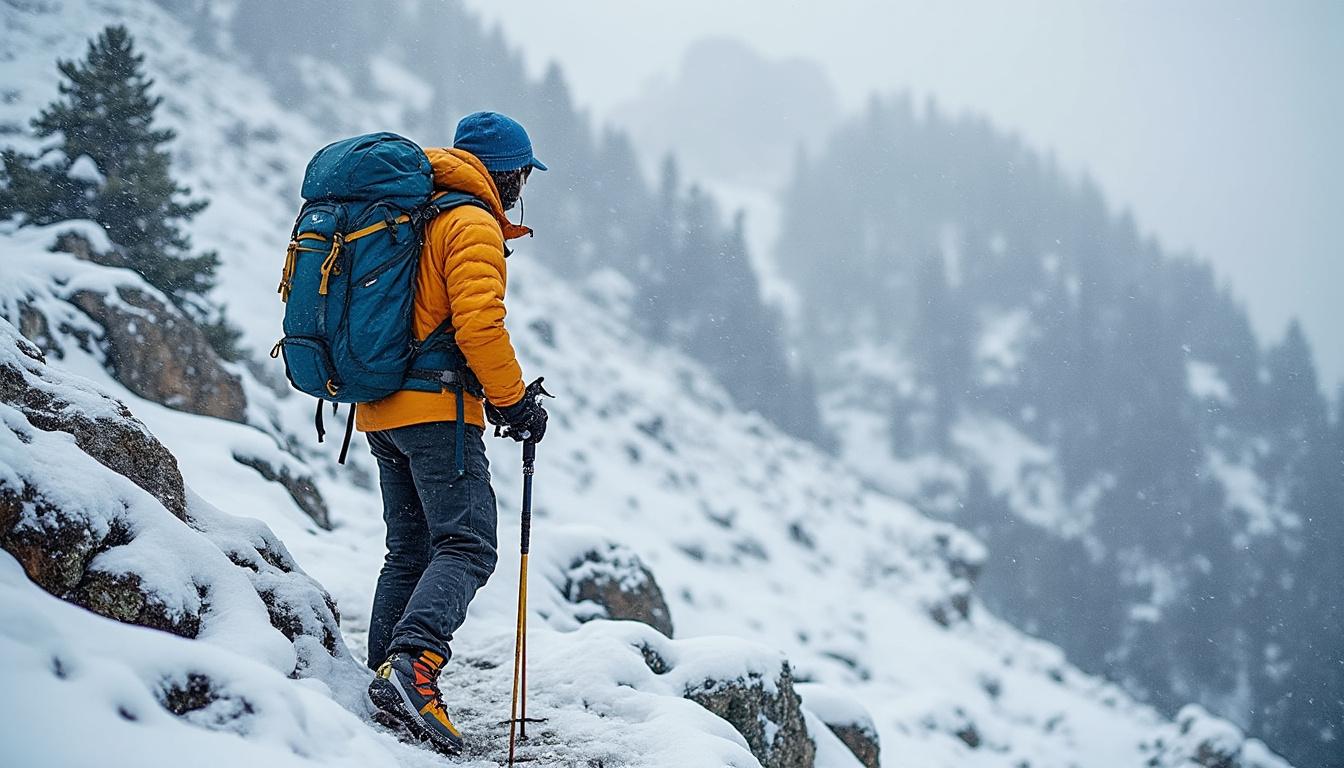
Start with a layering system: a moisture-wicking base layer, an insulating midlayer, and a windproof, waterproof outer shell. This approach enables rapid temperature regulation during transitions from heated terminals to snow-swept streets. High-performance socks and waterproof footwear improve comfort and reduce the chance of slips and wet feet—common causes of discomfort on winter trips.
Accessories matter: insulated gloves, a warm hat, and a scarf or neck gaiter are lightweight additions that deliver outsized benefits. Keep a compact pair of crampon-style grips for shoes if walking on icy sidewalks is expected. A foldable snow shovel and traction mats are sensible items for road travelers who might need to extricate a vehicle.
Carry-on essentials should be prioritized for all travelers because checked luggage can be delayed in winter storms. Important items to keep in hand include medications, chargers, backup credit card, travel documents, and a compact change of clothing. A fully charged power bank and a short charging cable are vital in crowded terminals where outlets are scarce.
Include these items in a travel-ready Emergency Kit:
- A compact first-aid kit with blister care and prescription medication copies.
- High-capacity portable charger and spare battery for essential devices.
- Emergency thermal blanket and hand warmers.
- Multi-tool, small flashlight or headlamp, and extra batteries.
- Non-perishable high-calorie snacks and a sealed water bottle.
- Paper maps and a printed itinerary with emergency contacts.
For road trips, expand the kit: tow rope, tire chains, compact shovel, ice scraper, jumper cables, and a reflective vest. These items dramatically reduce exposure time when assistance is required, and they support self-reliance until help arrives. For guidance tailored to winter driving preparation, this practical resource on safe winter road travel provides checklists and scenarios.
Pack smart to avoid overburdening. High-quality fabrics that compress easily take up less luggage space than bulky alternatives. Use packing cubes to separate layers and keep essential items accessible. When checking a bag, photograph the contents and tag the exterior with both contact info and an itinerary card inside.
An example: a traveler named “Liam” prepared for a cross-country holiday by packing a layering system, maintaining a carry-on emergency kit, and placing essentials in his jacket pockets. When his checked bag was delayed after a storm, the carry-on supplies and layers allowed the trip to continue with minimal stress.
Practical proficiency with gear elevates comfort and fortifies safety. Organize, prioritize, and travel with a minimalist but capable kit to enjoy cold-weather destinations with confidence. Insight: prudent packing is an investment that pays off when conditions turn unexpectedly harsh.
Smart Flight and Road Choices: Mastering Challenges in Transit
Deciding between flying and driving in winter requires weighing convenience, safety, and flexibility. Each mode has trade-offs regarding control over timing, exposure to weather, and environmental impact. Clear comparisons and practical tactics empower travelers to make informed choices that align with trip priorities.
Flights minimize time on the road and reduce fatigue-related risks, but they are susceptible to system-wide delays during major weather events. Road trips afford control over departure times and routes, yet they expose travelers to variable Road Conditions and weather-driven hazards. Consider the purpose of travel: urgent business travel often favors early morning nonstop flights, while scenic winter vacations may benefit from a deliberate road itinerary.
A table helps clarify contrasts and planning considerations for winter travel modes:
| Criteria | Flying | Driving |
|---|---|---|
| Control of timing | Limited after departure; subject to airline schedule | High; departure time and pace are flexible |
| Exposure to weather | Weather impacts airports and flights; less personal exposure | Direct exposure to road and local conditions |
| Delay risk | High cascading risk during storms | Variable; dependent on route and preparedness |
| Environmental impact | Nonstop flights reduce emissions per route | Efficient vehicles can be lower for shorter routes |
| Cost variability | Often higher during holidays; surge pricing possible | Fuel, tolls, and lodging add up; predictable with planning |
Booking tactics can mitigate the downsides of each option. For air travel, selecting an early nonstop flight reduces the chance of delays propagating later in the day. When possible, reserve flights on carriers known for robust winter operations and generous weather waiver policies. For road travel, select well-maintained highways, check historical closure patterns, and avoid lesser-used mountain passes during storms.
Comparative resources bring added clarity. For travelers weighing the economics and practicality of each mode, an article that compares flights and driving gives context and practical calculations: review considerations on choosing flights versus road trips.
A case study illustrates the decision process. A small team traveling to a conference in a snowy region considered flying early versus driving the night before. They chose an early nonstop flight for the lead member of the delegation and scheduled a separate road convoy for equipment, balancing time sensitivity and cost. Coordination reduced risk and ensured the group arrived ready to work.
Finally, always have contingency plans. For flights, identify alternate airports and have an idea of ground transit options if one airport becomes unusable. For road travel, map safe rest stops, overnight lodging, and clear escape routes if conditions deteriorate. A calm reassessment of options when weather patterns shift is a hallmark of successful winter travel navigation.
Selecting the right transit mode and preparing contingencies are central to Mastering Challenges posed by winter journeys. Insight: thoughtful comparisons and flexible planning make transit choices resilient and sensible.
On-The-Ground Tactics: Weather Forecasting, Road Conditions, and Safety Tips
Once en route, the ability to interpret forecasts and respond to changing Weather Forecasting signals separates prepared travelers from the overwhelmed. Real-time awareness of conditions and local advisories allows smarter decisions about continuing, pausing, or rerouting travel.
Reliable sources matter. Use official meteorological services, regional transportation websites, and highway patrol updates for the most accurate information on road closures and avalanche risks. For example, many highway patrols publish winter driving recommendations and live traffic feeds that can be more current than general news outlets.
Supplement official data with specialized apps that aggregate radar, wind chill, and precipitation models. Configure alerts for rapid changes such as freezing rain or sudden temperature drops. When traveling across multiple jurisdictions, check both national and local forecasts; microclimates near bodies of water and mountain passes can produce surprising differences in conditions over short distances.
Practical driving advice reduces exposure and increases control. Maintain conservative speeds, increase following distance, and avoid sudden maneuvers. When descending steep grades, use lower gears and avoid heavy braking to reduce the risk of skidding. If a vehicle begins to slide, steer gently in the direction of the skid and avoid overreaction.
Check tire readiness in advance. Winter tires or high-quality all-season tires with adequate tread depth significantly improve traction. Carrying chains or studded tire options may be required in certain mountain regions; verify local mandates before departure.
Communication protocols are essential in remote areas. Keep a charged mobile phone and a power bank, but also carry a written itinerary left with a friend or colleague. In areas with limited cellular coverage, a satellite messenger or an emergency beacon can be a lifesaver.
Consider non-driving alternatives when conditions are extreme. Trains and ferries sometimes maintain better schedule integrity during winter weather than air travel. Booking flexible tickets on multiple modes can provide fallback options when the primary plan becomes impractical.
An illustrative example: a traveler named “Sofia” monitored local highway advisories and noticed a sudden spike in road closures along her planned route. She postponed the drive by a day, used a regional train for a portion of the journey, and completed the last leg by taxi, which saved hours and reduced exposure to hazardous conditions.
Conclude on a practical note: always maintain a calm risk mindset, confirm vehicle and personal preparedness, and prioritize information sources that are local and authoritative. These tactics not only preserve safety but also enable travel to continue when opportunities arise. Insight: reading the terrain, not just the map, is essential for cold-weather travel success.
Handling Disruptions: Patience, Flexibility and Essential Strategies for Recovery
Disruptions are part of the winter travel landscape. Patience and flexibility become active strategies rather than passive virtues. When a flight is delayed, a road is closed, or weather waivers are issued, informed actions can transform setbacks into manageable detours.
First response steps reduce stress. Check the airline app for real-time updates before calling; apps often include rebooking options that bypass long phone queues. If a weather waiver is in effect, know that it may permit changes without fare penalties—understand the specific terms tied to each carrier.
When calling an airline or agency, persistence is valuable. Hold times lengthen during major events, and remaining in the queue is often more effective than repeatedly disconnecting and redialing. For urgent same-day needs, placing a call remains the fastest channel because automated systems may lag in complexity handling.
For road travelers facing closures, identify alternate corridors and communicate changes to any waiting parties. If vehicle immobilization occurs, conserve fuel and battery, use emergency signals, and remain with the vehicle when safe, as it is easier for rescuers to locate a stationary car than a wandering person in severe weather.
Financial and administrative preparation eases recovery. Keep digital copies of receipts and itinerary changes for refund or insurance claims. Carry proof of travel insurance and understand coverage details for missed connections, lodging, and medical needs. A dedicated folder in an email account with all booking confirmations simplifies the process of filing claims later.
Leverage local resources. Airport customer desks, hotel front desks, and local transit offices often have up-to-the-minute information and can suggest practical alternatives such as last-minute train routes or shuttle services. When planning business travel, balance environmental goals with contingency needs by considering non-travel options first if feasible.
A relevant resource on handling refunds and safety when travel is disrupted can support decision-making; it is helpful to consult an overview of rights and procedures such as this guide to winter travel refunds and safety.
Consider a narrative: “Marco” faced a three-hour airport closure due to de-icing issues. By keeping airline notifications active, pre-saving alternate contacts, and using a hotel voucher provided under airline policy, Marco rebooted the itinerary and arrived two days later with minimal professional impact. That outcome relied on preparedness and an acceptance that flexibility was part of the plan.
Close with a practical maxim: build redundancy into bookings, digitize documentation, and preserve calm during service disruptions. These actions minimize time lost and preserve the underlying purpose of travel. Insight: adaptability is the most powerful tool in a traveler’s winter toolkit.