

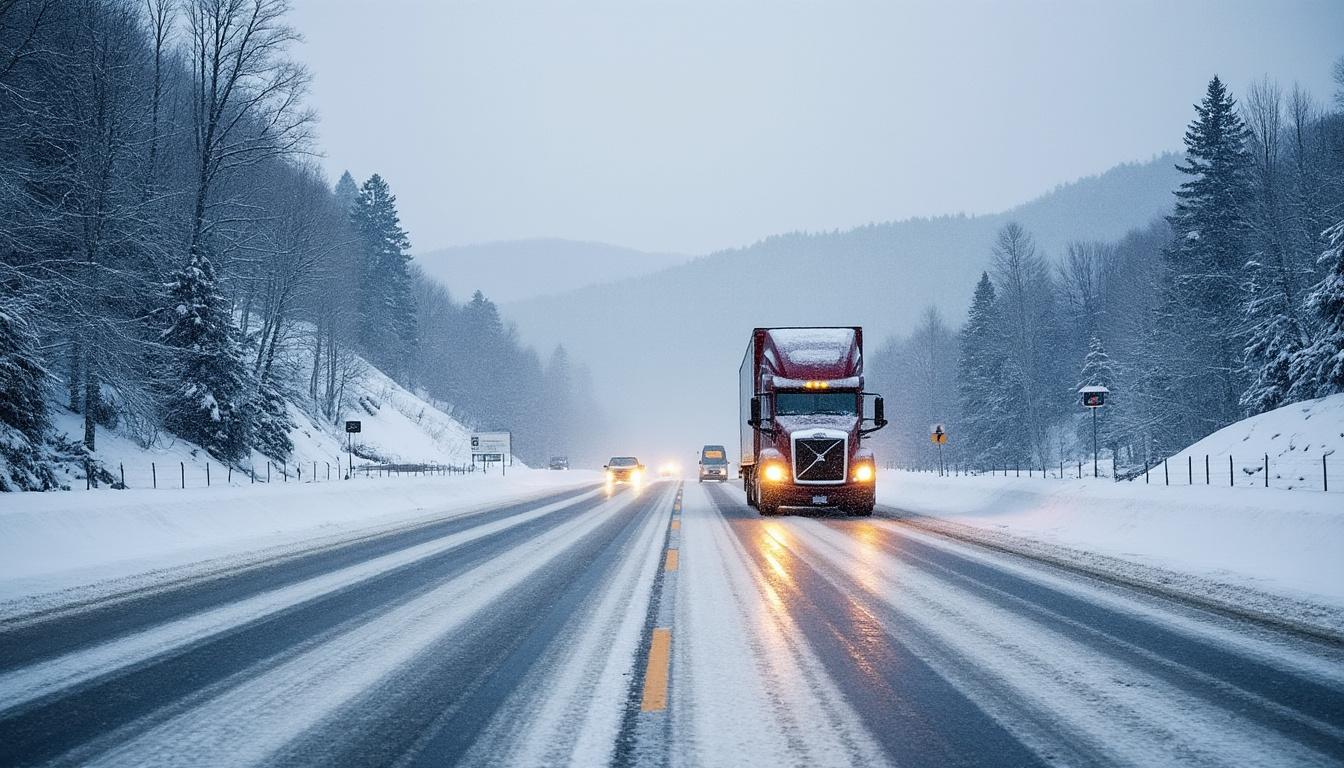
Winter Travel Planning and Timing for Holiday Road Safety
Holiday Travel requires intentional timing and a clear plan to avoid the most congested and hazardous days. Traffic studies around the holiday season show travel times can extend by roughly 25% longer on peak days, with the heaviest congestion commonly occurring near the days before and after major holidays. In 2026, patterns remain similar: late December and early January see the densest flows as families and friends reunite, so aligning departure and arrival times with lower traffic windows can shave hours off a journey.
An illustrative character, the Carter family, planned a multi-state drive for the holidays and used a layered approach to timing. First, the family scanned weather forecasts several days ahead, noting that winter storms and high winds often change clear green routes into slow, treacherous corridors. Then, they avoided the typical peak departure days that coincide with the highest number of vehicles on the road. This approach turned a potentially stressful trip into a relaxed, safer journey by reducing exposure to congestion and last-minute driving in poor Winter Weather.
Choosing the Best Travel Window
Selecting an off-peak travel day can be transformational for Road Safety. Early weekday departures, overnight travel when appropriate, or shifting a departure by 24 hours can reduce time spent in heavy traffic. For families, traveling outside rush hour reduces interactions with fatigued drivers returning from holiday gatherings.
Practical planning also includes mapping alternatives: identify two or three route options and note safe rest areas, well-lit service stations, and hospitals along each path. The Carter family used a primary highway, plus two backroads as contingencies, which minimized unexpected detours and allowed for quick switches when traffic or weather turned.
Real-World Examples and Data-Driven Choices
When planning, it helps to use trusted resources. For an overview of regional winter transit updates, consult localized pages like local winter transit advisories for route closures or service changes. National guidance such as TSA holiday travel tips is useful for multimodal trips where car travel intersects with rail or air transfers.
Data matters: map the most likely congestion dates and pair them with long-range weather forecasts. For instance, if forecasts predict a major winter storm on a historically busy travel day, postponing departure by a day can avoid both icy roads and gridlock. The Carter family’s plan prioritized safety over speed, which allowed them to stay calm and make better choices en route.
Communication and Shared Plans
Sharing travel intentions with contacts at the destination and with a designated emergency contact reduces stress and increases preparedness. A quick itinerary sent to a friend or family member alerts others to expected arrival times and planned stops. When delays occur, a simple update prevents needless worry and helps coordinate unexpected changes in logistics.
Online resources and checklists streamline Travel Planning. For compact, actionable guidance, see curated lists like essential travel holiday tips. Those resources often include sections on weather planning, ideal departure times, and multi-route strategies that work across regions.
Key closing insight: Prioritizing timing and planning for Holiday Travel—paired with contingency routes and clear communication—reduces exposure to peak congestion and improves overall Road Safety for drivers and passengers alike.
Preparing Your Vehicle: Maintenance and Gear for Icy Roads
Proper Vehicle Maintenance is the foundation of safe winter driving. A well-prepared car handles Winter Weather with greater predictability, reducing the chance of roadside breakdowns and accidents on Icy Roads. Mechanics and experienced drivers consistently emphasize pre-trip inspections: battery health, tire tread depth and pressure, antifreeze levels, and functioning heating and defrost systems.
Maintenance is not a one-off task; it becomes a short checklist before each journey. Replace worn wiper blades and fill washer fluid rated for subzero temperatures. Test the battery under load—cold reduces battery output, and a weak battery often fails at the worst moment. Ensuring proper tire pressure is an easy, high-impact step, since pressure drops in cold temperatures affect grip and braking distances.
Winter Tires and Traction Choices
Choosing the right tires is one of the most significant decisions for Winter Travel safety. All-season tires may suffice in mild winter conditions, but for consistent Icy Roads and deep snow, studded or winter-specific tires provide measurable improvements in traction and stopping distances.
Examples from fleet operators show winter tires can improve control and reduce incident rates on snowy stretches. The Carter family upgraded to winter-rated tires for their mountain crossing, and the drive through a late-season storm became manageable rather than perilous. For drivers who encounter only occasional snow, a quality set of chains can be an effective secondary option when conditions deteriorate rapidly.
Essential Gear Checklist Table
Organizing gear in advance removes guesswork during a stressful stop. The table below summarizes essential items, their purpose, and recommended frequency of checks.
| Item | Purpose | Check Frequency |
|---|---|---|
| Winter Tires | Improved traction on snow and ice | Before the season and monthly |
| Battery | Reliable engine starts in cold | Before winter, then as needed |
| Antifreeze/Coolant | Prevents freezing and overheating | Seasonal check |
| Windshield wipers and fluid | Clear visibility in snow/sleet | Monthly during winter |
| Emergency Kit | Survival supplies for roadside delays | Before each long trip |
Vehicle Maintenance extends to common-sense habits too. Keep the gas tank at least half full to prevent fuel line freeze and to ensure the heater works if stranded. Carry a small, folding shovel and a scraper to clear around tires and exhaust pipes. A portable jump starter removes dependency on strangers and helps quickly recover from a dead battery.
For regional resources on prepping for winter transit, see pages like winter travel tips and holiday winter travel tips. Combining professional vehicle checks with personal pre-trip inspections increases the margin of safety on Winter Road journeys.
Key closing insight: Regular Vehicle Maintenance and the right winter gear transform unknown hazards into manageable conditions, making Safe Driving on Icy Roads far more achievable.
Safe Driving Techniques For Winter Weather and Icy Roads
Driving on Icy Roads demands deliberate techniques that prioritize control over speed. Defensive driving in Winter Weather focuses on anticipation, measured inputs, and maintaining space. Drivers who adopt these techniques reduce crash risk and improve outcomes for everyone on the road.
A long-haul courier named Maria provides a compelling example. Trained in cautious braking and engine braking on descents, she routinely leaves extra following distance and reduces speed well before curves. When a sudden black ice patch appeared on a rural stretch, her controlled response—gentle steering corrections and avoiding sudden braking—prevented a dangerous spin and allowed safe continuation to the next rest stop.
Core Driving Tips for Snow and Ice
Several practical behaviors consistently reduce incidents on slick surfaces:
- Increase following distance to at least double the usual gap; stopping distance increases dramatically on slick surfaces.
- Brake gently and use threshold braking on non-ABS vehicles; for ABS, apply steady pressure and steer to safety.
- Slow down before curves and avoid sudden lane changes or aggressive steering inputs.
- Use lower gears to enhance engine braking on descents and prevent wheel lock-up.
- Be mindful of shaded areas where ice forms earlier and melts slower than sunlit pavement.
These strategies work in tandem: slowing early reduces the need for abrupt maneuvers later. In heavy winter conditions, slowing traffic flow in a controlled manner reduces the ripple effects of sudden braking, which can otherwise lead to multi-vehicle collisions.
Responding to a Slide or Loss of Traction
Experiencing a slide is unnerving but manageable with calm, practiced reactions. The most critical steps are to avoid panicked braking and to steer gently into the direction of the skid to regain stability. For front-wheel and rear-wheel slides, the corrective steering direction differs slightly, but the common theme is measured, predictable inputs rather than abrupt corrections.
Training and practice in safe environments—such as empty parking lots during calm weather—help drivers internalize these responses. When combined with the right Vehicle Maintenance and Winter Travel planning, practiced techniques create a resilient system for safe holiday journeys.
Key closing insight: Mastering Safe Driving techniques for Winter Weather is less about speed and more about control—precise, calm responses preserve vehicle stability and protect everyone along the route.
Building an Emergency Kit and Managing Unexpected Delays
A comprehensive Emergency Kit is essential for Holiday Travel during winter. Unexpected delays—from traffic jams to weather-related closures—are common, and a well-stocked kit can mean the difference between discomfort and safety. The kit should be customized for the vehicle and the route length, with core elements that address warmth, signaling, hydration, and basic repairs.
The fictional touring duo, Harper and Eli, learned this on a winter trip when an extended closure forced them to spend the night in their vehicle. Their kit included insulated blankets, a portable power bank, a compact stove, and high-calorie nonperishable snacks. These items sustained them comfortably until assistance arrived the next morning.
Essential Emergency Kit Items
Compile a kit with layered redundancy. Key items include:
- Insulated blankets or sleeping bags to prevent hypothermia during prolonged exposure.
- Portable charger and jumper cables for devices and batteries.
- Flashlight and spare batteries for visibility at night.
- Nonperishable food and bottled water for at least 24 hours.
- First-aid kit with basic medications and wound care supplies.
- Folding shovel and traction mats to free a vehicle stuck in snow.
- Road flares or reflective triangles to signal for help safely.
Every item should be checked seasonally. Replace expired food and battery packs, and ensure any fuel-powered gear is stored safely. The kit’s location matters—store it where it’s quickly accessible from inside the cabin and regularly review its contents with travel companions.
Managing Communications and External Restrictions
Maintaining communications during delays is vital. Share location details and updated arrival estimates with a trusted contact. For travelers in the European Economic Area, some online resources may limit access due to data protection laws; in such instances, local contact options might be necessary.
For example, when access to certain regional travel resources is restricted, the provided contacts can be helpful: for site or access issues, reach out via [email protected] or [email protected], or call the numbers 320-676-3123 and 218-927-3761 for direct assistance. Including these contacts in the broader communication plan ensures alternatives when web access is limited.
Managing Supplies During Delays
During prolonged delays, prioritize warmth and hydration. Conserve phone battery by using power banks sparingly and keeping devices in airplane mode until needed. Rotate passengers for warmth if necessary and use reflective signals to alert rescue crews. If stranded near traffic, keep hazards on to increase visibility, but ventilate if the engine runs to avoid carbon monoxide risks.
For practical guides on kit assembly and behavior during delays, consult curated sources like holiday preparedness guides and healthy holiday travel tips. The combination of pre-trip planning, an organized Emergency Kit, and calm communication turns adversity into a manageable situation.
Key closing insight: A thought-out Emergency Kit plus clear communications are the safety net of Holiday Travel—when delays happen, preparedness keeps travelers safe and resilient.
Route Selection, Communication and Insurance Considerations for Holiday Travel Safety
Route Selection blends Travel Planning with risk management to maximize Road Safety. Selecting routes that favor well-traveled highways, even if slightly longer, can reduce exposure to unplowed roads and remote hazards. In addition, communication strategies and insurance readiness complete a robust holiday travel plan.
Consider the example of a small business courier company that rerouted drivers onto primary corridors during a winter storm alert. The company’s decision favored consistent snow plowing schedules and clearer phone coverage, reducing incidents and enabling quick recovery when drivers required assistance. The result: safer deliveries and fewer costly delays.
Choosing Safer Routes and Understanding Regional Hazards
Local advisories provide critical insights into road conditions, closures, and transit service changes. The page on regional winter transit gives an example of how municipalities communicate closures and service adjustments. For interstate travelers, planning should incorporate alternate corridors and known safe stopping points.
In some regions, a slightly longer route that follows major arteries frequently cleared by snowplows and serviced by roadside assistance is preferable to a shorter, riskier backroad. This trade-off—time versus predictability—should guide decisions, particularly for families traveling with children or seniors.
Insurance and Documentation
Before departure, verify that auto insurance covers roadside assistance and winter-related incidents. A quick policy review clarifies coverage for towing, rental reimbursement, and emergency accommodations. If additional coverage is needed for certain routes or higher-risk travel, temporary policy endorsements can close those gaps.
Keep crucial documentation accessible: vehicle registration, insurance cards, and a list of emergency contacts. Digital copies stored securely online provide redundancy if physical documents are misplaced during a trip.
Integrating External Resources and Practical Links
Make use of specialized travel resources to refine plans. For safety protocols and enforcement-focused pointers, reference materials such as department safety tips and regional safety advisories are valuable. For broader inspiration on safe route choices and destination ideas, consult pages like road trip adventures USA and top outdoor family destinations.
Combining these resources—route selection based on plow schedules and traffic, clear communication plans, and confirmed insurance coverage—creates a comprehensive safety net for Holiday Travel. In 2026, with evolving weather patterns in some regions, responsiveness and local knowledge are more important than ever.
Key closing insight: Thoughtful Route Selection tied to robust communication and verified insurance coverage yields a resilient strategy for Safe Driving through winter holiday journeys.