

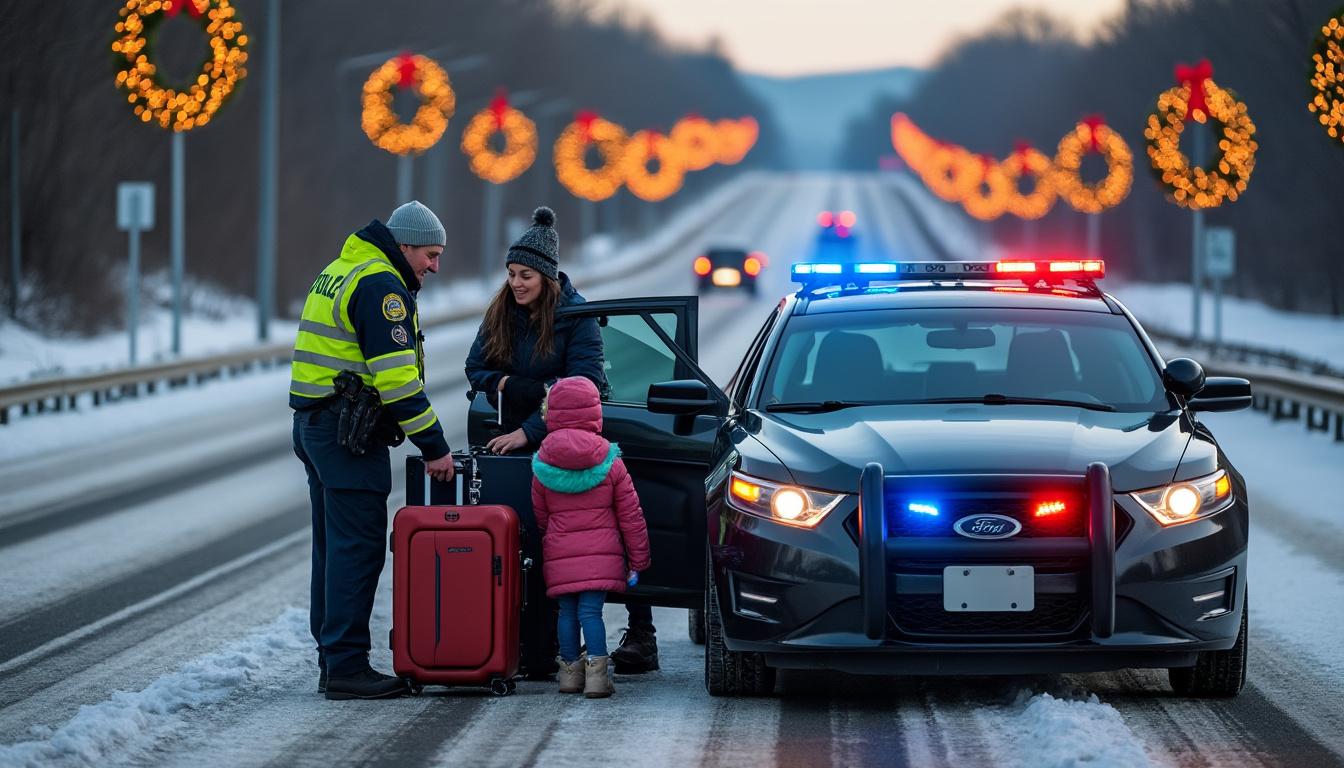
Holiday Travel Planning: How to Stay Safe and Avoid Delays on Connecticut Roads
Holiday Travel demands a calm but proactive approach to avoid common pitfalls and to Stay Safe on busy routes. Planning travel times, understanding expected congestion windows, and monitoring weather advisories are cornerstones of effective preparation. The Connecticut State Police emphasize that an informed traveler reduces stress and contributes to overall Traffic Safety by minimizing last-minute maneuvers and erratic lane changes.
Timing and Route Choices
Choosing to travel during off-peak hours is a practical way to reduce congestion. Shifting departure times to early morning or later in the evening, when feasible, can shave hours off a trip during peak holiday corridors. Real-world examples show that choosing alternate routes to avoid known choke points near shopping districts can convert a two-hour trip into a smoother, safer journey.
Tools that provide live traffic updates and planned incident alerts are indispensable. Cross-referencing live maps with official advisories is strongly recommended to anticipate delays rather than react to them.
Pre-Trip Communication and Check-Ins
Sharing travel plans with a trusted contact is a simple habit that enhances safety for families and solo travelers alike. A routine check-in upon arrival ensures that someone knows the trip concluded without incident. For group travel, assigning a communications lead who coordinates updates preserves situational awareness across multiple vehicles.
Case study: A family traveling from Hartford to a coastal destination kept staggered departure times and a shared messaging thread. When a roadside closure occurred, the group quickly re-routed with minimal delay because everyone received updates simultaneously.
Practical Travel Tips
- Check weather forecasts in advance and hourly on travel day.
- Allow at least 30–60 minutes of buffer time for every two hours of planned driving.
- Share an itinerary and expected arrival time with a designated contact.
- Keep vehicle documentation and emergency contact information easily accessible.
- Plan rest stops to avoid fatigue and maintain alertness behind the wheel.
Each of these steps aligns with guidance from national travel experts and complements local enforcement strategies. For regional travel advice and transport-focused reminders, resources like holiday travel tips and posts addressing peak congestion can offer actionable checklists. For travelers looking for more tailored guidance, a curated article on peak congestion during Thanksgiving provides insight into timing patterns that apply to many holiday weekends.
Preparing for Shopping and Downtown Foot Traffic
In many Connecticut towns, increased pedestrian volume near downtowns and mall areas raises the risk of incidents in parking lots and along crosswalks. Drivers should expect heavier foot traffic and exercise patience when merging or backing out. Pedestrian awareness is a two-way responsibility; drivers should reduce speed, and pedestrians should make eye contact with drivers before crossing.
An illustrative vignette: In a bustling suburb on the Friday after Thanksgiving, a driver who planned for an extra 20 minutes to find parking navigated a crowded lot without needing to rush, preventing a minor scrape that might have occurred under time pressure.
Adopting these planning habits helps reduce frustration, prevents risky behavior, and increases the chance that holiday travel ends as intended: safely and with minimal delay. This focus on planning sets the stage for the more tactical advice delivered by the Connecticut State Police about on-road conduct and enforcement.
Driving Safety and Traffic Safety: Practical Tips from Connecticut State Police for Holiday Road Trips
On-road behavior accounts for the majority of preventable incidents during Holiday Travel. The Connecticut State Police repeatedly remind motorists that abiding by speed limits, maintaining safe following distances, and eliminating distractions remain the most effective steps toward Driving Safety. Each of these elements reduces reaction time requirements and creates predictable traffic flow for all road users.
Speed Management and Following Distance
Speed limits are calibrated for typical road conditions; exceeding them during busy holiday periods multiplies risk. Even modest speed increases turn minor corrections into potentially dangerous situations. Maintaining a safe following distance—often described as at least three seconds in normal conditions and greater in winter—provides the extra time needed to stop safely when traffic ahead responds to hazards.
An example: During a busy holiday evening, a driver who maintained a proper buffer avoided a chain-reaction collision after a sudden brake in front of them. That one practice can prevent multi-vehicle incidents that would otherwise overwhelm emergency responders.
Seat Belts, Distraction Reduction, and Pedestrian Awareness
Seat belts remain the single most effective passive safety measure in crashes. The Connecticut State Police stress that everyone should buckle up—drivers and passengers alike, in every seat. Equally important is the active reduction of in-vehicle distractions. Phones should be stowed or connected to hands-free systems, and navigation set before departure.
Pedestrian safety demands attention near commercial districts and transit hubs. Drivers should anticipate sudden movements by shoppers in parking areas and should yield when necessary. Pedestrians following safe crossing behaviors also dramatically lower their own risk.
Enforcement and Deterrence
Increased enforcement during holiday periods is a visible measure to deter DUI and aggressive driving. Connecticut law enforcement agencies coordinate patrols, saturation details, and checkpoints during peak travel windows. This proactive stance aims to reduce incidents before they happen by encouraging compliance with traffic laws.
For supplementary safety habits and pre-flight-like reminders, travel resources such as essential holiday travel tips can be paired with local policing advice to create a robust travel plan. Seasonal advisories like those in Thanksgiving week travel tips underscore how coordinated messaging reduces confusion and improves compliance.
Officers target behaviors that lead to severe outcomes, including impaired driving and reckless passing. Travelers should view the increased presence of troopers as a public safety measure designed to preserve life and mobility on holiday roadways. A final practical point: when encountering law enforcement, cooperating and providing accurate information speeds resolution and reduces the chance of escalation.
Adopting the Connecticut State Police’s recommended driving behaviors yields safer roads for everyone. Strong adherence to these habits translates directly into fewer incidents and a smoother holiday travel experience for families and solo travelers alike.
Winter Driving and Vehicle Preparedness for Holiday Road Trips
Winter weather introduces a new layer of complexity to Holiday Road Trips. Snow, sleet, and freezing rain transform routine drives into scenarios that require extra caution and equipment. Preparing a vehicle for winter conditions is not optional; it is a critical component of Road Safety that protects drivers, passengers, and other road users.
Tire and Brake Readiness
Tires are the first line of defense in winter conditions. Ensuring proper tread depth and recommended tire pressure optimizes traction and handling. In areas prone to icy patches, switching to winter-rated tires can materially improve stopping distance and cornering control. Brakes should be inspected for responsiveness and signs of wear before embarking on lengthy trips.
A practical scenario highlights the benefits: a commuter switching to winter tires experienced significantly shorter braking distances on ice, preventing a collision at a busy intersection. This example illustrates how pre-trip maintenance yields real-world safety returns.
Clearing Snow and Visibility Measures
Removing snow and ice from all windows, mirrors, headlights, and even the vehicle roof is essential. Snow left on a roof can slide forward and obscure the windshield or shed onto following vehicles, creating hazards. Headlights and taillights should be cleaned and tested to ensure visibility during heavy snowfall or fog.
Windshield wipers and washer fluid rated for low temperatures maintain a clear field of view. If wipers are streaking or skipping, replacement before a holiday trip is a small investment that avoids dangerous blind spots.
Emergency Kits and Fuel Strategies
A thoughtfully assembled emergency kit can mean the difference between a short delay and a crisis. Recommended contents include an insulated blanket, extra layers, bottled water, non-perishable snacks, a flashlight with spare batteries, a compact shovel, jumper cables, and a basic tool kit. A charged power bank or car charger for phones maintains communication channels in case of delays.
Keeping the gas tank at least half full reduces the risk of running out of fuel during jams or unexpected detours. In extreme cold, fuel stabilizes better with fuller tanks, and drivers reduce the need to seek remote gas stations at odd hours.
| Item | Purpose | Recommended Action |
|---|---|---|
| Winter Tires | Improved grip in snow and ice | Install before first heavy freeze; check pressure weekly |
| Emergency Kit | Survival and comfort during delays | Pack blanket, water, flashlight, tools, and snacks |
| Windshield Wipers / Fluid | Maintain visibility | Replace wipers if worn; fill low-temperature washer fluid |
| Fuel | Prevents being stranded | Keep tank at least half full during holiday travel |
For further tips on winter-specific travel behaviors, resources like winter travel tips and holiday winter travel tips offer checklists and product suggestions that align with Connecticut State Police recommendations. Combining national travel guidance with local enforcement advisories builds robust preparedness.
A practical closing note: performing a few simple vehicle checks and packing an emergency kit are inexpensive actions that greatly improve the likelihood of arriving at holiday destinations safely. This preparedness keeps journeys predictable and stress minimal when weather turns suddenly.
Dealing with Impaired and Reckless Drivers: Police Advice and Community Response
Impaired and reckless driving remains one of the most serious threats to holiday Road Safety. The Connecticut State Police emphasize zero tolerance for driving under the influence and increased patrol presence during holidays to deter hazardous behavior. Understanding how to recognize, report, and protect oneself from these dangers empowers communities and preserves life.
Recognizing Dangerous Driving Behaviors
Signs of impairment or recklessness include inconsistent lane positioning, abrupt speed changes, delayed reactions to traffic signals, and failure to maintain speed with flow of traffic. Drivers who weave, drift over markings, or signal erratically may be impaired or distracted. Observing these behaviors from a safe distance is important to avoid confrontation or increased risk.
Scenario example: A motorist traveling during a late-night holiday return noticed a vehicle swerving between lanes. By maintaining distance and noting descriptive details, the motorist avoided an incident and later reported the suspicious vehicle to authorities, who were then able to intervene safely.
How and When to Report
If a driver suspects impairment, the recommended action is to record safe, objective details: vehicle description, color, license plate number if possible, direction of travel, and location. Then report these details to emergency services. Immediate threats should prompt a 911 call. Non-urgent suspicions can be relayed to local non-emergency lines when appropriate.
The Connecticut State Police encourage public reporting as part of a collective defense against impaired driving. Prompt reporting helps law enforcement remove dangerous drivers from the road before tragedy occurs.
Enforcement is a deterrent when paired with community vigilance. Programs and checkpoints during holidays reduce impairment-related crashes by increasing perceived risk of detection. Historical data shows that visible enforcement reduces incidents and contributes to safer holiday periods.
Community Education and Preventive Strategies
Communities can reduce impaired driving via education campaigns, promoting sober ride alternatives, and encouraging hosts to plan safe rides home for guests. Employers with holiday events should consider partnerships with ride-share or designated-driver programs to ensure staff travel safely. This shared responsibility links individual choices with broader community well-being.
For travelers looking for broader safety perspectives that include health and family considerations, resources like healthy holiday travel tips and holiday safety tips from DPS provide complementary strategies that reduce risk across multiple domains.
When community members recognize dangerous behavior and report it promptly, they act as force multipliers for law enforcement. This collaboration saves lives and preserves the freedom to travel safely during the holidays. Stay vigilant, document details safely, and report safety threats to protect all road users.
Shared Responsibility: Passengers, Pedestrians, and Families Embracing Travel Tips for Safer Holidays
Road Safety during holiday seasons is a collective endeavor. Passengers, pedestrians, families, and drivers all share responsibility for safe outcomes. Small actions—buckling a seat belt, supervising children in parking lots, or choosing a sober driver—compound into significant reductions in risk and stress during Holiday Road Trips.
Passenger Roles and In-Car Safety
Passengers can support safer driving by minimizing distractions, assisting with navigation, and prompting the driver to take breaks when fatigue appears. Children require special attention; securing appropriate car seats and booster seats reduces injury risk significantly. The Connecticut State Police emphasize the role of passengers in reinforcing safe Driving Safety norms.
Family example: A multi-generational group traveling across the state elected a rotation of co-pilots who managed entertainment and navigation, allowing the driver to focus exclusively on the road. This practice prevented distraction-related incidents and kept the journey calm.
Pedestrian Awareness Around Shopping Areas
With heavy foot traffic near retail corridors, both drivers and pedestrians must exercise heightened awareness. Pedestrians should use designated crossings, avoid distracted walking with phones, and make eye contact with drivers before stepping into crosswalks. Drivers should yield appropriately and proceed with caution in areas dense with shoppers and children.
Urban planners and local businesses also have a part to play by ensuring clear signage, adequate lighting, and safe pedestrian pathways that reduce conflict points with vehicle traffic.
Special Considerations: Pets and Long-Distance Family Travel
Traveling with pets requires additional planning. Pet carriers secured in the vehicle, frequent stops for exercise and bathroom breaks, and ensuring pets are hydrated and comfortable cuts down on stress for pet and owner. Resources such as pet travel tips provide tactical checklists for families traveling with animals.
For families organizing multi-stop itineraries, a pre-trip rehearsal of safety protocols—seat belts, emergency kit location, and one designated communications lead—keeps everyone aligned and reduces the potential for chaotic responses to road incidents.
Below is a concise list of shared-responsibility actions that every holiday traveler can adopt:
- Buckle Up every trip, every seat.
- Designate a Sober Driver or arrange alternative transport in advance.
- Limit In-Vehicle Distractions by assigning non-driving tasks to passengers.
- Share a Travel Plan and check in upon arrival.
- Respect Pedestrian Zones and enforce safe loading/unloading in parking areas.
Additional reading on family-centered travel planning and safety approaches can be found at family getaway tips and more specific packing strategies at pro packer carry-on tricks. These resources complement official Police Advice and state transportation messaging to create complete pre-trip preparations.
When everyone—drivers, passengers, pedestrians, and community leaders—acts with shared purpose, holiday travel becomes a safer, more enjoyable experience. Embracing this shared responsibility ensures that the roads remain a route to reunion rather than risk.