

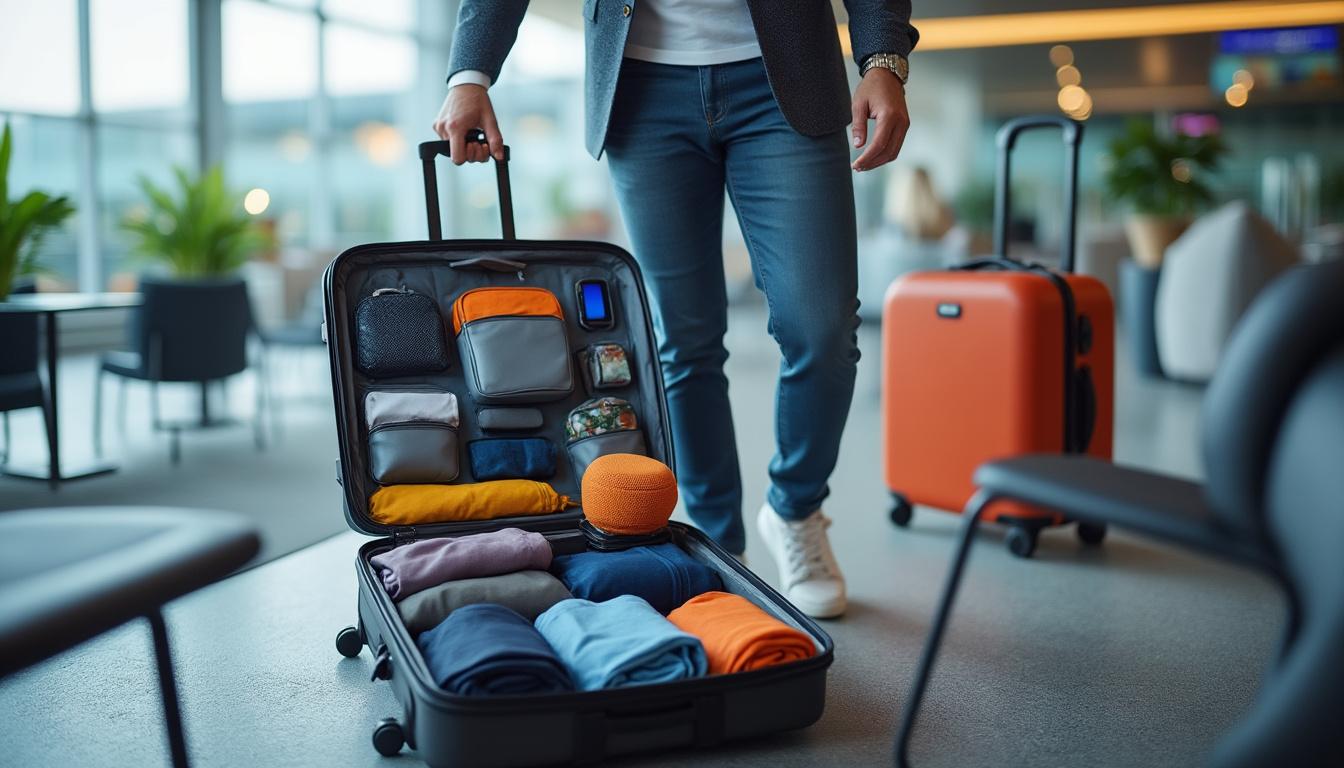
Pro Packer Carry-On Tricks For Smarter Travels
An experienced travel planner often approaches packing like a small engineering project: every cubic inch counts and every decision has a ripple effect on comfort, cost, and speed. This section explores the mindset and routine that make a Pro Packer capable of turning a standard carry-on into a full travel system. The focus is on practical behavior change rather than one-off hacks, so the strategies can be repeated across different trips.
Start by reframing the purpose of the carry-on. It is not merely a place to dump items; it is the primary functioning kit for an entire journey. That mental model pushes choices toward multi-use items and compact systems. For example, a travel jacket that converts into a pillow, or shoes that compress without deforming. The choice of such items is part of the broader Smart Packing approach.
Case Study: A Traveler Named Alex
Alex is a fictional frequent traveler used as a guiding thread. On a two-week trip that involved a business conference and a weekend hiking side trip, Alex relied on layering and modular packing. The result: zero checked bags, faster airport transitions, and a saved checked-bag fee—money reallocated to local experiences.
In practical terms, Alex would dedicate one packing cube to daily outfits, another to technical gear, and a small waterproof pouch for toiletries. Those modular pockets help retrieve items in seconds rather than rummage for minutes. This method also supports last-minute changes: if a meeting runs late or weather shifts, items can be shifted between cubes quickly.
Why This Matters For Budget Travel
Every avoided checked bag is an immediate saving for Budget Travel. Beyond the fee, there’s less chance of lost luggage, fewer substitutions for missing essentials, and faster exits at destination which means more time enjoying the trip. Practical examples: saving $30 on a return flight is useful, but saving two hours at the airport can convert directly into an extra activity or a sunset view.
There are psychological advantages too. A well-packed carry-on inspires confidence and reduces travel anxiety. That confidence is visible: smoother security checks, quicker transitions between flights, and a ready kit for unexpected delays. Those are core elements of Travel Tips that come from systematic packing rather than luck.
Final insight: Treat the carry-on as a portable home base. The mindset produces consistent gains in time and money and supports adaptable choices across different types of trips. This sets the stage to explore specific tricks and gear that make the approach reliable and repeatable.
14 Budget Travel Packing Hacks Starting At $12 That Actually Work
Turning a carry-on into an efficient travel system often begins with a handful of affordable purchases and deliberate methods. The next section lays out 14 Carry-On Tricks that can change how one travels, with many items costing under $20 and some as low as $12. Each idea includes practical explanation, use-case, and how it impacts time, comfort, or cost.
Practical Hacks and Their Effects
1) Compression packing cubes: Save space while keeping outfits separated. Example: a 3-piece cube set helps rotate three outfits for a week without re-packing. This creates a compact rotation system.
2) Travel-sized refillable bottles with leak-proof lids: Protect electronics and avoid TSA hassles. When packed in a small waterproof pouch, toiletries become a predictable subsystem.
3) Shoe bags that double as laundry pouches: Keep dirty items separate and compress shoes slightly. Use one bag per pair to avoid odors contaminating clothes.
4) Wearable bulk: Choose a lighter jacket with pockets for heavier items like chargers, freeing space in the bag. This reduces carry-on bulk while keeping essentials accessible.
5) Digital organization: Store PDFs of itineraries, receipts, and maps in offline folders. This is a free but powerful hack that prevents last-minute searches in crowded airports.
6) Multi-use garments: A convertible dress or zip-off pants replace separate items and cut outfit count by 30–50%.
7) Inflatable travel pillow that doubles as a storage pouch: Saves space and consolidates functions.
8) Small power bank with built-in cable management: Keeps chargers organized and avoids tangled wires.
9) Minimalist toiletry kit with solid alternatives (solid shampoo, conditioner bars): Cuts liquid limits and reduces spill risk.
10) Micro first-aid kit with blister patches: Small investments avoid major discomfort that would otherwise ruin a day out.
11) Lightweight packing sling for daily excursions: Transform the carry-on setup into a day-ready kit without unpacking the whole bag.
12) Clear document sleeve for passports and travel papers: Speeds up security checks and boarding.
13) Belt pouch for valuables: Keeps small items accessible and secure.
14) Elastic shoe laces or folding shoes: Adds comfort and saves space for longer walks.
Each of these Packing Hacks emphasizes multi-functionality and cost-effectiveness. Many items can be found at discount retailers, online marketplaces, or secondhand shops—aligning with the theme of Affordable Travel.
Below is a compact table comparing typical items, approximate starting price, and why they matter.
| Item | Starting Price | Why It Works |
|---|---|---|
| Compression Packing Cubes | $12 | Organizes outfits and reduces volume |
| Refillable Toiletry Bottles | $8 | Prevents spills and complies with TSA |
| Multipurpose Travel Jacket | $45 | Layers for weather and storage for essentials |
| Solid Shampoo Bars | $6 | Eliminate liquid limits and reduce waste |
| Compact Power Bank | $15 | Reliable power without bulky chargers |
These selections were chosen for their ease of sourcing and immediate impact on packing efficiency. They also illustrate how Travel Gear and behavior combine to reduce the need for a checked bag and streamline the travel experience.
Carry-On Tricks For Travel Essentials And Smart Packing Strategies
Smart packing is not only about items; it is a set of prioritized behaviors that optimize how items are selected, stored, and accessed. This section dives into the most important Travel Essentials and how to organize them so they perform when needed. The method balances accessibility with protection.
Prioritization: What Stays On Top
Accessibility rules: items needed during transit belong in external pockets or at the top of a packing cube. Examples include boarding passes, passport, medication, and a lightweight snack. When these items are kept in predictable places, delays and stress decline significantly.
A recommended layout: top layer for travel documents and in-flight comfort items; middle layers for daily outfits; bottom layer for shoes and less-used gear. This arrangement reduces the chance of dumping the entire bag when searching for one small item.
Toiletries, Electronics, and Security
Toiletry placement matters. Store liquids in a clear pouch near the exterior for easy removal during security checks. Electronics should be padded and kept in a single compartment. For airports that require laptops out, place the sleeve near the top. For safety, keep backup chargers and a compact power bank in an external pocket for inflight top-ups.
Security and insurance considerations belong in both physical and digital form. For instance, scan important documents and email them to a trusted contact or store them in cloud storage with offline access. This simple Travel Tip prevents lost-document emergencies and supports rapid rebooking if things go sideways.
Examples of problem-solving: when a traveler misreads the weather forecast and encounters rain, a compact waterproof shell stored in an outer pocket can save an entire day’s itinerary. When flights delay overnight, a small lightweight sleep kit (eye mask, earplugs, compact blanket) provides dignity and comfort without large weight penalties.
Final insight: Smart packing for essentials blends predictability and redundancy—know exactly where things are while having backup solutions for common interruptions. This principle leads naturally into gear choices and affordable finds that reinforce the system.
Travel Gear Choices, Affordable Travel Finds and How To Avoid Checked Bags
Choosing the right gear is a balance of durability, weight, and price. This section examines how to select Travel Gear that supports a carry-on-first strategy while keeping budgets in mind. Emphasis is put on items with multiple uses and long-term value.
Buying Strategy and Where To Look
Look for sales cycles aligned with travel seasons; off-season purchases yield steep savings. Thrift stores and online marketplaces are goldmines for durable items that require small refurbishments. For families or groups traveling together, pooling items like a single compact travel iron or shared toiletries reduces overall load.
For inspiration and specific trip planning, consult curated guides on outdoor trip planning and family-friendly destinations. Examples include resources that discuss holiday logistics and outdoor route ideas; these help determine what gear is essential versus optional. A few useful references: planning advice for holiday travel can be found at holiday travel planning, while outdoor ideas are detailed on pages highlighting outdoor adventures and top family outdoor destinations.
Case example: When packing for a national park lodgestay followed by a city transfer, one set of lightweight hiking clothes and a compact blazer covers both contexts. This technique saved both weight and the need to check a bag in multiple real-world trips.
Affordable Travel: Key Items Under $30
Core affordable items include compression cubes ($12), a multipurpose scarf ($10–$20), and a basic water purification straw ($20). These items perform across activities and seasons. For family travel specifically, organize children’s outfits into labeled cubes to reduce morning chaos. For curated purchase ideas targeted at parents, see popular selections on mom packing hacks.
One actionable routine: set a “packing shelf” at home where gear is replenished between trips. Keep spare toiletries, batteries, and common medications stocked. This small habit reduces last-minute shopping and ensures readiness for spontaneous departures—essential for those embracing Affordable Travel frequently.
Final insight: Investing in a few smart, inexpensive pieces amplifies the efficiency of every other travel decision, making carry-on-only travel both viable and pleasurable.
Practical Travel Tips For Seamless Travels: Airport Workflow And Pro Packer Routines
Workflow and routine transform packing hacks into repeatable victories. This final section outlines routines for packing, airport movement, and day-of-travel rituals that keep delays and stress to a minimum. The guidance ties together the earlier sections and follows the fictional traveler Alex through concrete steps.
Pre-Trip Routines
Start with a two-day checklist: day two before travel, confirm documents, download maps, and re-check weather. Day one before travel is for packing cubes and the carry-on layout: top layer with paperwork and in-flight comfort kit; middle for outfits; bottom for shoes and infrequently used gear.
A useful list to keep on the phone:
- Passport/ID and travel documents in clear sleeve
- Medications in original packaging
- Chargers and compact power bank
- Multipurpose outer layer (jacket/scarf)
- One flexible pair of shoes
- Small first aid and hygiene kit
- Travel insurance info and emergency contacts
These items reflect Travel Essentials that support a carry-on-first approach and ease movement through airports.
Airport Workflow And On-Trip Habits
At the airport, prioritize lanes and timing: arrive with documents accessible, use carry-on organization to speed screening, and adopt a single-point system for small purchases (e.g., receipts into a phone photo folder). These habits minimize friction and accelerate transitions between planes, trains, and other modes.
On trip nights, perform a 10-minute reset: launder small items, air out shoes, and refill the travel toiletry pouch. This short ritual keeps the system stable across successive travel days and reduces the cognitive load before each departure.
For families, a shared packing list and a designated parent responsible for the “ready bag” (snacks, wipes, small toys) ensures smooth security checks and happier children. For solo travelers, a wrist wallet and an exterior pocket for a small essential kit work well.
Final insight: The greatest gains come from routine and small habits. When these blend with the listed Packing Hacks and equipment choices, travel becomes not just lighter but more joyful and efficient. The next section would naturally explore tailoring these routines to different trip types, keeping the momentum of Smart Packing alive.