

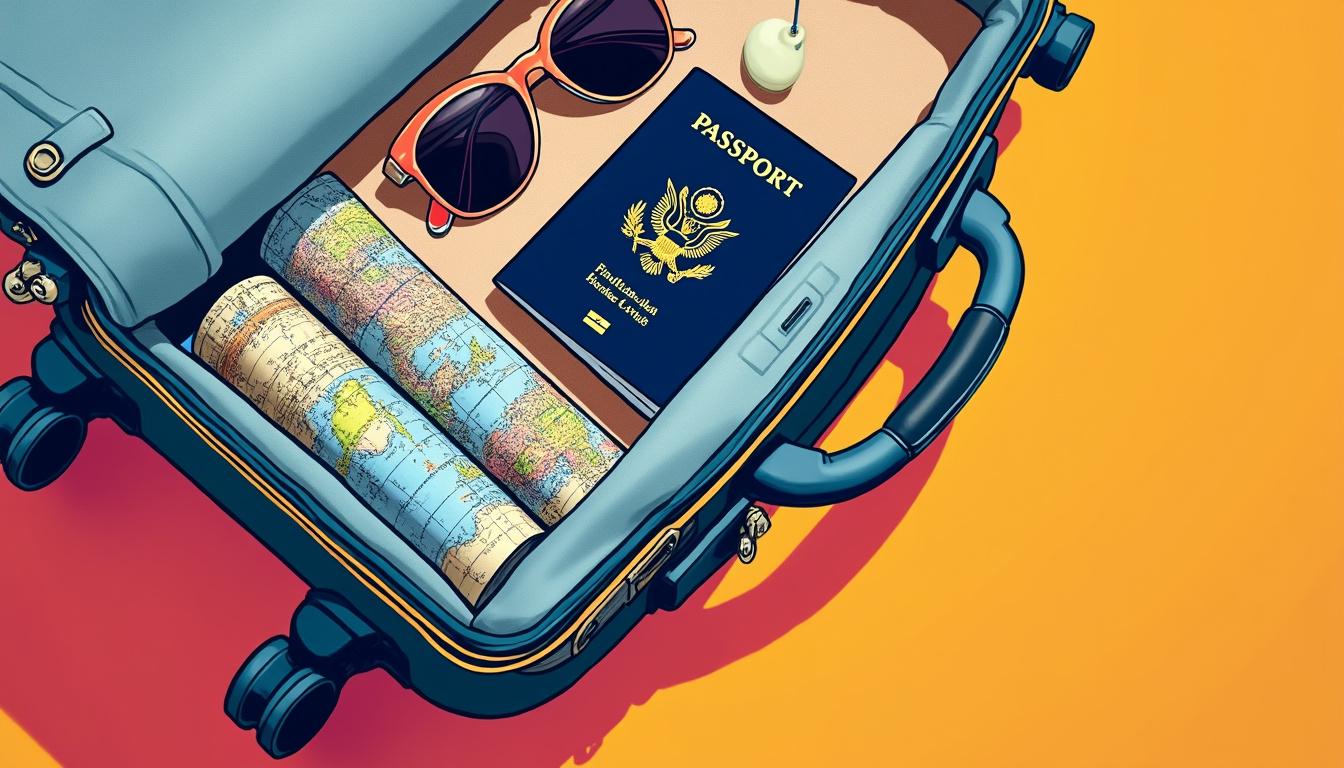
Essential Travel Tips for Planning Your Itinerary and Budget
Smart travel begins with a thoughtful itinerary and a realistic budget. An effective plan balances must-see attractions with downtime, and it aligns daily activities with transit times and accommodation locations. This approach reduces stress and makes room for spontaneous discoveries that transform a trip from routine to memorable.
Begin by mapping key destinations and grouping nearby sights to avoid wasted time on transit. Use a mix of fixed appointments—museum slots, guided tours—and flexible windows for wandering. For travelers heading to popular hotspots, consult focused resources like Istanbul travel tips to learn season-specific advice and timing for major sites.
Creating a realistic itinerary
Split days into morning, afternoon, and evening blocks and assign one major activity per block. Include transfer buffers and recovery periods for jet lag, especially when crossing multiple time zones. When designing an itinerary for a group, assign responsibilities—one person for navigation, another for meal planning—to keep everyone engaged and reduce friction.
Itineraries should also factor in local holidays and peak seasons; accommodation and ticket prices can spike dramatically. For those planning a holiday break, check guides like holiday travel tips to anticipate surges in demand and find cost-saving strategies. Planning early often unlocks lower prices for flights and lodging.
Budgeting with purpose
Budgeting is both arithmetic and mindset. Start with fixed costs—flight, accommodation, and insurance—then allocate daily spending for food, local transport, entrance fees, and incidentals. Set aside a contingency of at least 10–15% of the total trip budget for unexpected expenses such as medical supplies, last-minute itinerary changes, or a sudden fare increase.
Adopt tracking tools to monitor expenses in real time; simple spreadsheets or travel apps can prevent overspending. For longer trips, plan for tiered spending: splurge days balanced with budget-conscious ones. Travelers who apply this discipline report better financial comfort and fewer compromises during a trip.
Practical examples and case study
Consider a ten-day cultural road trip that alternates city stays with two-night countryside stops. The itinerary reserves museum visits for mornings, scenic drives in the afternoon, and local eateries in the evenings. A sample budget divides costs into transport (30%), accommodation (35%), food (15%), activities (15%), and contingency (5%).
An insight from travelers: reserving one surprise splurge—such as a cooking class or private guide—creates lasting memories without derailing the budget. This methodical approach to itinerary and budget planning improves satisfaction and ensures the trip unfolds according to intent.
Key insight: A well-structured itinerary paired with a disciplined budget turns potential chaos into confident exploration.
Packing Essentials: Smart Packing Tips and Luggage Strategies
Effective packing is a craft that maximizes mobility and minimizes surprises. Packing strategies differ by trip length, climate, and activities, but a few universal rules apply: prioritize versatility, protect vital documents, and streamline weight. Travelers who master these basics move faster, avoid fees, and enjoy greater flexibility.
Start with a core capsule wardrobe: neutral layers that mix and match. Choose fabrics that dry quickly and resist wrinkles. For footwear, select one comfortable walking shoe and one versatile dressier pair; bulky items such as heavy coats should be rented at the destination if feasible.
Layering and gear choices
Layering allows adaptation to temperature swings. A lightweight base layer, an insulating mid-layer, and a weatherproof outer layer cover most climates without excessive bulk. For electronics, bring universal adapters, a power bank, and a compact cable organizer to keep essentials accessible.
Protect the passport and travel documents with a slim, RFID-blocking wallet stored close to the body during transit. Always scan key documents and email copies to a trusted contact; maintain a digital backup in secure cloud storage. These steps reduce the impact of loss or theft and speed up recovery.
Packing list and checklist
- Essentials: passport, travel insurance, credit card, minor first-aid items.
- Clothing: 3–4 tops, 2 bottoms, lightweight jacket, underwear for the trip length.
- Electronics: phone, charger, power bank, plug adapter.
- Toiletries: travel-size items in a clear pouch, sunscreen, hand sanitizer.
- Extras: a reusable water bottle, compact umbrella, daypack.
Each item on this checklist has a purpose: either utility, comfort, or safety. Pack with intention, not fear, and consider local laundry options to reduce load. For inspired packing ideas and seasonal checklists, consult targeted resources like spring break travel tips for warm-weather essentials.
Packing techniques and examples
Rolling clothes saves space and reduces wrinkles, while packing cubes keep outfits organized by day or type. Place heavy items near the wheels of rolling luggage to maintain balance. For delicate gear, use clothing as padding to protect fragile items.
Example: A seven-day city trip might use a carry-on with two packing cubes—one for daywear, one for nightwear—plus a shoe bag and a compact toiletry kit. This setup clears security faster and eliminates checked-luggage delays, creating more time for the itinerary ahead.
Key insight: Thoughtful packing is less about quantity and more about strategic selection and organization.
Safety and Passport Advice: Essential Security Travel Tips
Travel safety is foundational to every rewarding trip. Prioritizing security for documents, accommodation choices, and local transportation reduces risks and preserves peace of mind. An informed traveler reads local advisories, prepares contingency plans, and stays aware without becoming paralyzed by fear.
Always register travel plans where possible and share a simplified itinerary with a trusted contact. Many embassies offer registration services that facilitate assistance if a passport is lost or an emergency arises. Combining this with digital document backups ensures a swift response when trouble occurs.
Passport protection and recovery
A passport is the single most important physical document when crossing borders. Store the passport in a discreet, secure place during the day and use a hotel safe for spare copies. If the passport is lost, immediate steps—reporting to local authorities and contacting the nearest consulate—accelerate replacement and limit disruptions.
For countries with specific security concerns, consult local advisories and comprehensive safety guides such as travel tips for safety in Mexico to understand regional nuances. These resources often include advice on which neighborhoods to avoid, common scams, and safe transport options.
Personal safety practices
Adopt visible and invisible safety practices. Visible measures include traveling with companions at night and keeping belongings close. Invisible measures include using privacy screens on devices, enabling remote-wipe functions, and keeping emergency contacts in an easily accessible place.
Example scenario: A solo traveler in an unfamiliar city chooses centrally located accommodation with strong reviews and secure entry. Daytime routes are mapped in advance, and a local SIM card provides reliable data for navigation. These layered precautions significantly reduce vulnerability.
Accommodation security steps
Select accommodation that prioritizes guest safety: 24/7 front desk, well-lit entryways, secure lockers, and positive guest reviews mentioning security. On arrival, check room locks and test the safe with a valuable item. If traveling with multiple devices, distribute them across bags rather than keeping all valuables in one place.
For family getaways, explore specific guidance like family getaway tips that highlight accommodation features and child-friendly safety protocols. Tailoring safety measures to the travel group enhances overall resilience.
Key insight: Safety is a layered practice—document protection, situational awareness, and secure accommodations together create resilience on the road.
Accommodation and Transportation Choices: Essential Tips for Smooth Stays
Choosing the right accommodation and transportation is central to a stress-free journey. Decisions should reflect trip goals: prefer central locations for cultural immersion, choose reliable transport for tight itineraries, and balance cost with convenience. Thoughtful selection of these elements reduces friction and maximizes time spent enjoying the destination.
Begin by assessing the location relative to key itinerary points. A slightly pricier hotel in the heart of the city can slash commuting times and taxi costs, freeing hours for exploration. Conversely, longer stays or road trips can justify lengthier commutes in exchange for quieter, more affordable lodging.
Accommodation selection criteria
Prioritize safety, access to transit, and clear cancellation policies. Read recent reviews for recurring themes about cleanliness, noise, and host responsiveness. For alternative lodging, consider serviced apartments or local guesthouses that provide kitchen facilities, reducing dining costs for longer stays.
For winter travel, consult targeted resources such as winter travel tips and travel tips for winter weather to understand seasonal packing and accommodation needs like heating and insulation.
Transportation planning and choices
Select transportation that aligns with the itinerary flow. For regional hops, trains provide comfort and city-center arrival points, while buses and shared rides are budget-friendly options. For road trips, plan fuel stops, driving laws, and vehicle checks in advance. For highway safety and seasonal driving advice, resources like Florida highway travel tips offer practical local insights.
Example: On a coastal itinerary, choose a mixed-mode strategy—train between cities and rental scooters for local exploration. Pre-book longer legs to secure the best fares and confirm luggage allowances for budget carriers to avoid surprises at the gate.
Transit choices also affect environmental footprint. Opt for public transport or shared options to reduce carbon impact where feasible. This practice not only aligns with sustainable travel values but often provides richer cultural encounters with locals.
Key insight: Prioritizing location and mode of transport in line with trip objectives makes everyday logistics a supportive backdrop rather than a constant concern.
Budgeting Hacks and Local Strategies: Essential Travel Tips to Save Money
Stretching a travel budget requires creativity and local knowledge. Small choices—where to eat, when to travel, and how to move around—accumulate into meaningful savings. A strategic traveler treats money management as part of the itinerary, not an afterthought.
Research local pricing norms to avoid tourist traps. Markets and local eateries often offer authentic cuisine at a fraction of restaurant prices near major attractions. Timing purchases outside peak tourist hours can also yield discounts.
Money-saving strategies
Use a mix of cash and cards to minimize fees: local ATMs for moderate cash withdrawals and a no-foreign-transaction-fee card for larger purchases. Inform banks of travel dates to avoid holds on cards, and carry a backup payment method in case of issues.
Look for passes that bundle attractions and public transit; these passes often provide noteworthy discounts and simplify budgeting. Seasonal promotions and museum free days provide additional opportunities to enjoy culture without the cost burden.
Practical list of budget hacks
- Book flights on less-traveled days and consider red-eye options to save on airfare.
- Reserve accommodation with kitchen facilities to cook several meals.
- Use public transport day passes instead of single rides for multiple trips.
- Shop at local markets for snacks and fresh food to reduce dining costs.
- Bundle experiences early—many tours offer lower rates when booked in advance.
Each hack above is actionable and quickly adds up. For solo travelers looking for specific guidance on combining safety and savings, resources like solo travel tips provide tailored strategies that keep costs low while maintaining security.
Table: Comparative Costs by Transportation Type
| Mode | Typical Cost Range (per 10 miles) | Benefits | Drawbacks |
|---|---|---|---|
| Public Train | $2–$15 | Fast, city-center access, scenic | Schedules limit flexibility |
| Bus | $1–$10 | Cheap, extensive routes | Slower, crowded at peak times |
| Rideshare/Taxi | $8–$40 | Door-to-door, convenient | Variable surge pricing |
| Rental Car | $20–$80 | Ultimate flexibility for road trips | Fuel, insurance, parking costs |
Applying these cost comparisons to the itinerary helps identify where to economize and where to invest. Travelers who plan transit and accommodation together often discover savings through bundled options or better-laid routes.
Key insight: Savings come from intentional choices—book early, use local options, and align spending with travel priorities to maintain a fulfilling, affordable journey.