

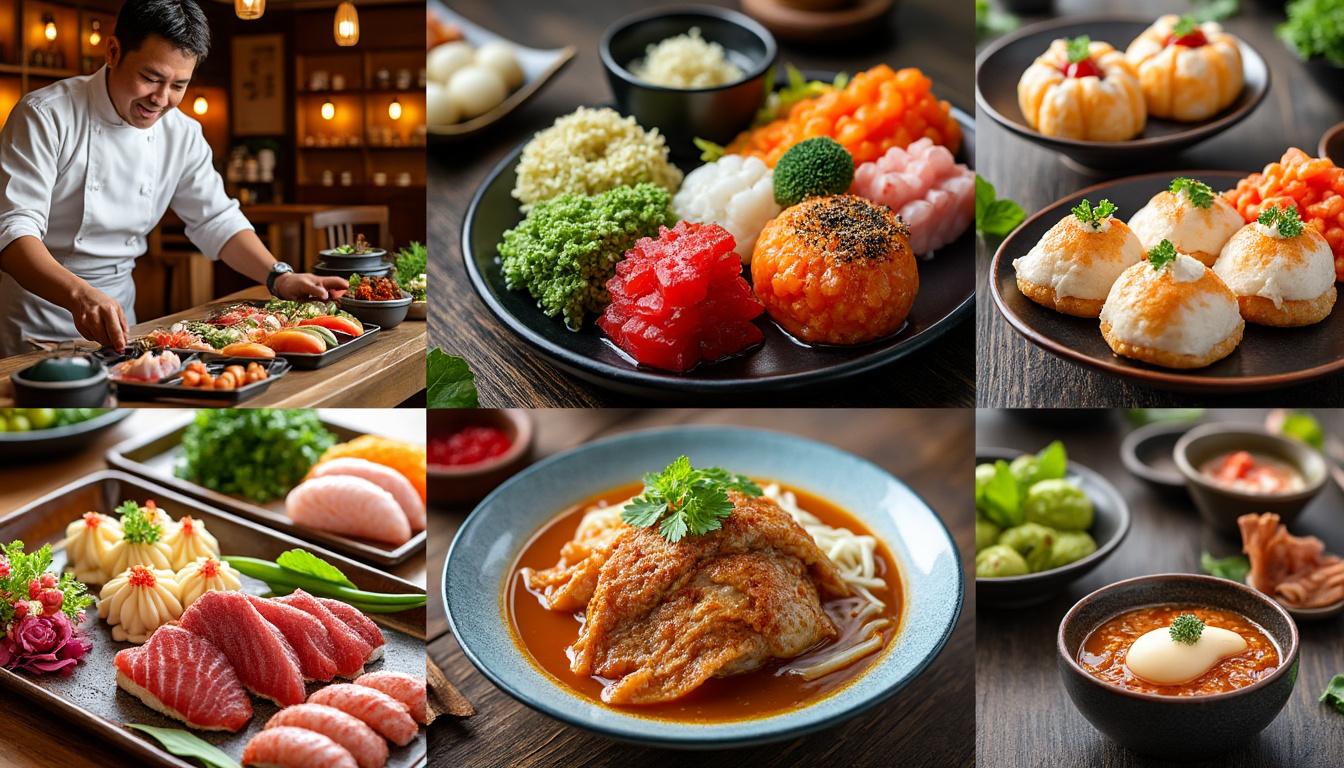
Spotting Long Lines and Local Crowds: How to Read the Signals for Authentic Food in Japan
Understanding where locals line up can transform a simple meal into a memorable culinary experience. In major urban centers and small towns alike, queues often signal quality rather than hype. Travelers who learn to read those queues uncover hidden gems where regional recipes and time-honored techniques are preserved.
Observe the makeup of a line before committing. If a queue is filled primarily with people who look like regulars — office workers in similar attire, families, or single diners with familiar routines — that is a strong indicator of a place prized for genuine flavor. This pattern repeats across neighborhoods from Tokyo backstreets to Kyoto alleys. The fictional guide Hana, a resourceful culinary scout, follows such lines to discover hole-in-the-wall ramen shops and small izakaya where the staff greet patrons by name.
Why lines move differently in Japan
Lines in Japan are efficient by design. Many eateries have ticket machines, strict seating rotations, or designated time windows for lunch crowds. These operational features keep turnover swift, so long queues do not necessarily mean long waits for the informed traveler. When Hana times her visit between 2:00 and 3:00 pm in lunch districts, the lines shrink while quality stays high.
Examples illustrate the point. A small tonkotsu ramen shop in a Tokyo suburb may show 20 people waiting at noon, but those patrons are eating quickly and the line typically dissolves in 20–30 minutes. That is an opportunity to sample authentic food that has been perfected by a single family or chef for decades.
Practical tips for joining a queue
Follow these practical behaviors to turn a line into a smooth encounter:
- Scan who is waiting and how they behave; mimic local etiquette when it’s time to enter.
- Look for ticket machines; they often require cash and make ordering easier.
- Be prepared to sit at a counter and eat quickly; many locals treat weekday lunches as brief culinary respites.
- Note operating hours on the door — some shops close when their supply runs out.
Hana often uses the queue to learn more: she watches what others order, notes portion sizes, and learns which toppings are considered essential. The information gleaned from observation often leads to a much richer food discovery than relying solely on online photos.
In sum, long lines in Japan frequently point to concentrated excellence rather than tourist traps. Reading the crowd, understanding local turn-over patterns, and watching menu behavior provide immediate cues. Those cues rapidly separate truly local favorites from overhyped spots, guiding the traveler toward a dependable delicious cuisine experience. This savvy approach naturally leads to the next tactic: choosing places with focused, specialized menus.
Seek Small, Specialized Menus to Taste the Best Japanese Dishes
Restaurants that focus on one or two dishes often deliver deeper mastery. In Japan, specialization is a mark of pride; places offering five variations of a single dish typically obsess over the balance of ingredients, broth, or batter. The concept applies equally to ramen shops, donburi counters, yakitori stalls, and okonomiyaki grills.
Hana’s rule of thumb: the narrower the menu, the higher the probability that each item reflects decades of refinement. This approach elevates a simple meal into a lesson in technique. A tiny donburi place in a Tokyo neighborhood, for example, might offer only three bowls, but the stock, rice seasoning, and grill timing are calibrated to produce perfect texture and aroma.
How specialization improves quality
Concentration allows chefs to iterate. By serving only a few variations, a restaurant can control portion size, ingredients, and timing tightly. This reduces waste and enables chefs to source better components, like premium dashi or specially cured fish, which are central to local flavors across Japan.
Consider the difference between a multi-cuisine tourist restaurant and a dedicated ramen shop. The latter invests in broth fermentation, noodle sourcing, and tonal adjustments specific to tonkotsu, shoyu, or miso. Those details matter in every bite and define how Japanese dishes showcase regional identity.
Examples and behavior to adopt
When approaching a small menu, use these tactics:
- Ask the staff for their recommendation from the daily options.
- Order the simplest version first — the purest expression reveals technique.
- Look for subtle menu notes about ingredient origin (seaweed, soy sauce, or rice variety).
Real-world cases abound. In Osaka’s Dotonbori, choosing a stall dedicated to takoyaki yields much better texture than ordering octopus balls from a general street vendor. Similarly, a Kyoto kaiseki restaurant will focus on seasonal small plates that reflect the prefecture’s seasonality and aesthetics.
Specialized menus also make it easier to practice dietary preferences — vegetarian, pescatarian, or gluten-aware travelers can often find shops that understand the constraints of a focused menu and can point to suitable options. For those who want a broader list of regional recommendations before arrival, resources such as curated Tokyo guides are helpful; the linked Tokyo tips page offers detailed local pointers that align with this specialization philosophy: Tokyo dining and neighborhood suggestions.
In short, favoring small, specialized menus leads to authentic, concentrated tastes and a closer connection to Japan’s food culture. This method naturally pairs with following where office workers go, the next strategic approach for genuine food discovery.
Follow Office Workers and Local Routines to Find Reliable Authentic Food
Office workers in Japan often know the best places to eat within walking distance of their commutes. Observing their patterns during rush hours reveals dependable venues that prioritize hearty, quick, and excellent meals. These daily habits map a hidden network of neighborhood favorites that rarely make it into tourist guides.
Hana uses commute patterns as a living map. In the early evening, clusters of workers heading toward a staircase or underground passage frequently indicate a row of eateries or a food alley. This pattern is common near large stations where hidden ramen strips or yakitori lanes exist under overpasses and inside commercial basements.
Why local routines point to quality
Workers eat out frequently during long commutes and tight schedules. They select places that offer consistency, speed, and satisfying portions — qualities that align with authentic delicious cuisine rather than novelty. When entire office teams disperse among small shops, that dispersal signals that each spot offers something reliably tasty, whether it’s a signature broth or a perfect tempura crisp.
Examples: In areas like Shinagawa or Meguro, whole office blocks may break for conveyor-belt sushi or standing soba bars. The concentration of people creates an ecosystem where small establishments thrive on repeat clientele and preserve recipes that cater to local tastes.
How to shadow local patterns respectfully
To use this method effectively:
- Observe direction and timing: follow where groups head immediately after work.
- Adopt local pacing: many diners eat standing up or at counters; emulate the pace to fit in.
- Respect privacy and queues: avoid intrusive photography and wait your turn.
- Use local transport hubs as culinary signposts: underpasses and station basements often house curated selections of Japanese dishes.
For travelers wishing to blend this technique with broader planning, combining station-area discoveries with curated destination lists enhances the route. A global travel overview can provide creative detours or pairing options when planning a longer trip: Explore recommended travel destinations.
Following office workers reveals places that prioritize daily excellence over spectacle. This leads directly into another practical tool: using technology such as Google Maps with a tuned eye for reviews and user photos, which enhances on-the-ground instincts for local flavors and hidden options.
Use Maps, Convenience Stores, and Local Knowledge for Practical Food Discovery
Digital tools and everyday retail spots are powerful complements to observational strategies. Combining Google Maps with the low-tech treasure trove of convenience stores fast-tracks a well-rounded exploration of food culture. This hybrid approach helps identify both high-end and humble options for authentic meals.
Hana cross-references map ratings with local insights. On Google Maps, places with high ratings and hundreds of reviews often indicate consistent quality. Seek listings with numerous photos and detailed comments. A 4.6+ rating with 250+ reviews is a common heuristic; it surfaces establishments that enjoy sustained local appreciation rather than a brief viral moment.
Convenience stores as culinary classrooms
Japanese konbini like 7-Eleven, FamilyMart, and Lawson are fertile ground for sampling everyday favorites. These shops sell surprisingly refined items: onigiri with various fillings, packaged sweets, and freshly prepared bento boxes. Many locals stop at a konbini for breakfast or a quick dinner, making them ideal places to learn about snack culture and value-driven flavors.
Examples include onigiri varieties — grilled salmon, salted cod roe, and breakfast-friendly egg combinations — and unique region-specific offerings that sometimes appear only in certain prefectures. These items reveal how convenience and craftsmanship coexist in Japan’s culinary landscape.
Combine tech and human recommendations
Ask hotel staff for immediate favorites, then cross-check on maps. Concierge and front-desk staff are local knowledge hubs and often recommend neighborhood spots that do not appear in mainstream guides. For trip-level planning, consult specialized local pages to refine neighborhood choices; a Tokyo-focused insider page offers neighborhood-specific hints that can be used in tandem with on-the-ground tips: Local Tokyo tips and dining suggestions.
Practical checklist for combining methods:
- Search a dish name in Maps to find restaurants that mention it in reviews.
- Filter by number of reviews and photo-rich feedback for reliability.
- Visit a konbini to sample budget-friendly local flavors before committing to a sit-down meal.
- Cross-check hotel suggestions with map data to confirm hours and peak times.
Using these tactics leads to efficient food discovery that balances spontaneity and planning. It provides a bridge between street-level delights and curated restaurant experiences, priming travelers for the deeper regional research covered in the next section.
Research Regional Specialties, Lunch Deals, and Menu Language to Unlock Local Flavors
Regionality is central to mastering Japan’s culinary map. Each prefecture offers signature dishes and methods that cannot be fully appreciated outside their place of origin. Research pays dividends: knowing that Osaka excels in okonomiyaki and takoyaki while Kyoto emphasizes delicate seasonal kaiseki frames expectations and heightens the enjoyment of every bite.
Hana plans trips around specialties. When in Osaka, she seeks out busy street vendors in Dotonbori; in Okinawa, she looks for unique island ingredients such as pork belly stews and goya champuru. This practice deepens comprehension of how geography, climate, and history shape local flavors.
Lunch deals and smart timing
Lunch is often the best time to affordably sample premium cooking. Many restaurants offer set menus at reduced prices during midday, enabling tastings of more dishes for less money. Example: a Kyoto restaurant with an expensive dinner tasting menu might offer a scaled-down but representative lunch set at half the cost. Planning midday visits allows sampling multiple high-quality meals throughout a trip.
Know the dishes and the words
Familiarity with key terms simplifies ordering. Learn the basics: sashimi (raw fish slices), sushi (rice with toppings), tonkotsu (pork bone broth), shoyu (soy-based broth), and miso (fermented soybean base). A small cheat sheet on a phone accelerates ordering and reduces misunderstandings.
| Region | Signature Dish | Why It’s Special |
|---|---|---|
| Osaka | Okonomiyaki / Takoyaki | Street-cooked techniques emphasize texture and savory balance |
| Tokyo | Sushi (Ginza) | Access to top markets and long traditions of precision |
| Kyoto | Kaiseki / Temple cuisine | Seasonal, subtle flavors rooted in ceremonial dining |
| Okinawa | Island pork and goya dishes | Distinct ingredients and tropical influences set it apart |
As final practicalities, travelers should keep an eye on updated destination resources and broader travel inspiration when shaping an itinerary. Curated travel pages can inspire combinations of cultural stops and culinary sampling: Trip inspiration and destination ideas. Combining regional study, midday strategy, and basic language preparation unlocks a steady stream of authentic food experiences across Japan.
Knowing what to seek, when to go, and how to order transforms meals into meaningful encounters with culture and history. That insight prepares a traveler for continuous exploration and for savoring each new discovery.