

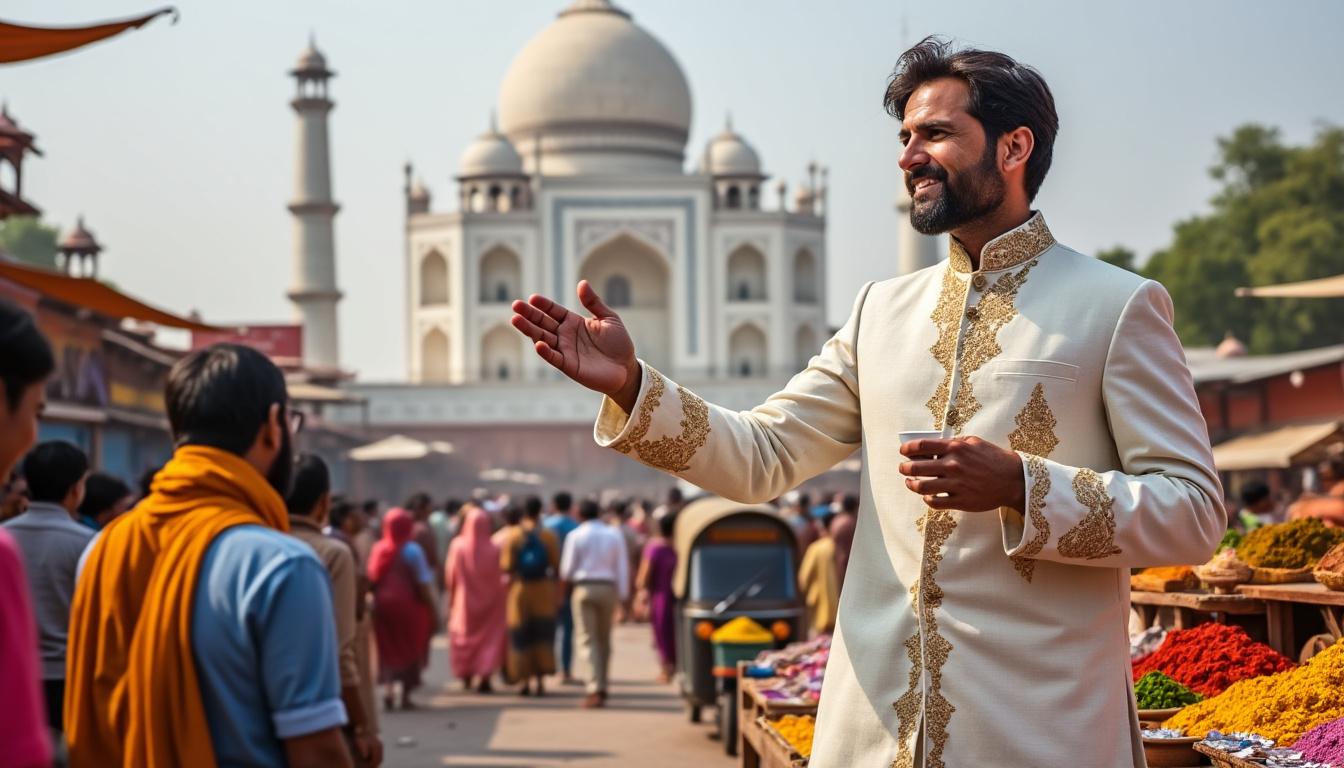
Essential India Travel Tips: Preparing for an Unforgettable India Adventure
An inspiring roadmap for anyone embarking on an India journey begins with practical, experience-driven preparation. These India travel tips focus on realistic expectations, document readiness, and the mindset needed to fully enjoy a subcontinent packed with contrasts. The traveler character, Amara, who represents many modern explorers, planned meticulously before departure and built buffers into every stage of her trip planning.
First, consider visa and documentation. Numerous nationalities now require e-visas, but processing timelines and entry conditions vary. Start applications early, keep scanned copies accessible, and confirm return or onward tickets when needed. This administrative clarity reduces stress and frees mental energy for cultural immersion.
Vaccinations and health preparations also form part of robust trip planning. Consult a healthcare professional for country-specific advice at least six weeks before departure. Carry a compact medical kit that includes rehydration salts, antiseptic wipes, and medications for common ailments. In unpredictable climates and dense urban settings, these items prove invaluable.
Practical Packing and Local Tools
Packing for India requires strategic layering: breathable fabrics for heat, a lightweight rain layer for monsoon pockets, and a warmer garment for hill stations or overnight trains. Electronics need voltage converters in some regions and portable battery banks for lengthy transit. A compact water filter or purification tablets can be a game-changer in remote areas.
Digital tools support modern travel. A reliable map offline app, an offline translation dictionary, and a budgeting spreadsheet accessible on a phone simplify logistics. For those seeking further practical reads, a guide covering India travel tips for Dutch visitors also provides transferable insights, such as navigating language barriers and regional etiquette.
Mindset and Flexibility
Expect the unexpected: delays, spirited bargaining at bazaars, or sudden changes to train schedules. Emphasizing adaptability transforms disruptions into memorable anecdotes rather than frustrations. Amara discovered that embracing spontaneity allowed her to meet artisans in small towns and taste street delicacies otherwise missed by strictly scheduled tours.
Optimize trip planning by building in downtime between major transitions. A slow afternoon in a tea house or an unplanned detour to a village market can create deep cultural connections. These pauses foster a quieter appreciation of cultural experiences and the human stories that make an India adventure feel less like sightseeing and more like a journey through living history.
Finally, invest in local guides selectively. Short, focused sessions with knowledgeable locals accelerate understanding of neighborhoods, safety nuances, and culinary hotspots. This selective use of local expertise is one of the clearest forms of insider advice that converts ordinary itineraries into lasting memories.
Key takeaway: prioritize documentation, health prep, and a flexible mindset to create a foundation that allows the subcontinent’s vibrant complexities to become sources of wonder rather than stress.
Insider Advice on Cultural Experiences and Local Insights Across India
Deep cultural immersion demands more than surface sightseeing; it requires a respectful curiosity and an eagerness to listen. The best insider advice emphasizes nuance: when to remove shoes, how to approach prayer spaces, and how seasons shape local life. Amara’s encounters with temple festivals, family-run ghats, and artisan workshops illustrate how local insights unlock more meaningful experiences.
Start by learning a handful of local phrases. Politeness and effort go far, and a few words in Hindi, Bengali, Marathi, Tamil, or regional dialects prompt warm responses. Language knowledge combined with observation helps visitors interpret subtle signals, like appropriate dress for religious sites or respectful photography practices.
Engaging with Cultural Experiences Consciously
When engaging in rituals or festivals, observe first and participate where invited. Many processes—offerings at temples, familial rituals, or community cooking—are best appreciated by following local cues. Amara attended a village harvest festival where she watched elders lead ceremonies, then shared a meal offered to visitors as part of the communal spirit.
Food is both a gateway and a lesson. Seek meals prepared in family settings, try regional specialties, and use local guidance to find safe street-food choices. A practical resource on selecting trustworthy dining spots can be found in an article about smart restaurant choices, which explains how to spot hygiene standards and authentic flavor profiles.
Supporting Local Economies and Responsible Encounters
Choose experiences that channel benefits back to communities. Staying in homestays, buying crafts directly from artisans, and hiring local guides ensure that tourism revenue stays local. This approach fosters sustainable interactions and deepens insight into livelihoods and traditions.
Negotiation and bargaining are part of many markets, but retain dignity for both sides. Learn fair pricing ranges ahead of time; aim for mutual satisfaction rather than victory. These moments of exchange often become the most human and instructive parts of travel.
For broader cultural context, readers may explore essays on unexpected norms in other countries, like cultural habits that may surprise, to refine comparative understanding. Such background helps visitors appreciate India’s diversity as one chapter in a global tapestry of human practices.
Insight: approaching cultural encounters with humility and curiosity yields richer local insights and more authentic memories.
Travel Safety and Practical Trip Planning Tips from a Travel Expert
Safety in India blends common-sense measures with region-specific practices. A seasoned travel expert recommends layered precautions: secure documentation, informed movement, and community awareness. Amara’s planning included contingency plans for transit, health emergencies, and variable weather patterns, which proved essential during an unexpected monsoon influx.
Start with safety basics: photocopies of passports, a list of local emergency numbers, and secure storage for cash and cards. Use hotel safes when available and carry a slim money belt in crowded transport hubs. This routine helps maintain calm when schedules stretch or personal items are at risk.
Transport Safety and Night Travel
Choose daytime travel for long distances when possible. Trains are efficient and often comfortable, but book reputable classes and avoid last-minute carriage changes. For road travel, select established operators and, when hiring drivers privately, confirm references and vehicle condition. Night travel is common, yet it requires additional caution—arrange pickups inside terminals and keep contacts informed.
Rideshare apps function in many cities and add convenience, but validate driver details before boarding. For rural stretches, local bus services and shared cabs work well if matched with realistic time allowances.
Health and Emergency Preparedness
Pack a medical kit, understand local medical facilities near planned stops, and carry travel insurance with medical evacuation if venturing into remote regions. Hydration and food choices prevent many common illnesses; use bottled or treated water, and favor cooked foods from trusted vendors. For those seeking focused guidance on responsible solo travel options, studies and tips like solo women travel tips offer targeted strategies.
Incorporating digital safety is also critical. Regularly back up critical documents, keep devices password-protected, and use VPN services when accessing public Wi-Fi. Amara kept family updated through a simple shared itinerary and scheduled check-ins, which normalized accountability without dampening adventure.
| Aspect | Recommended Action | Why It Matters |
|---|---|---|
| Documents | Carry scans, keep originals secure | Speeds up replacements and reduces risk of loss |
| Health | Bring a travel kit and insurance | Prevents small issues from derailing plans |
| Transport | Prefer reputable services and daytime travel | Reduces exposure to accidents and scams |
Final safety insight: layered preparation, clear communication, and reliable local partnerships reduce risk and enhance confidence on the road.
Budget Travel Strategies and Hidden Gems Off The Beaten Path
Stretching a travel budget in India is highly feasible without sacrificing depth of experience. A travel expert’s perspective emphasizes informed choices: smart lodging, local transport, and food strategies amplify value. Amara chose secondary towns instead of tourist hubs and discovered vibrant arts scenes and landscapes where costs were lower and authenticity higher.
Cost-saving measures include using trains and regional buses, eating at local eateries, and choosing guesthouses over branded hotels. Plan major train journeys with advanced reservations to secure seats and lower fares. For saved funds, prioritize unique experiences—artisan workshops, community-led walks, and regional performances deliver cultural ROI that exceeds common tourist packages.
Practical Budget Tips
- Book trains and buses in advance to secure better prices and seats.
- Use local markets for snacks and souvenirs to avoid tourist markups.
- Stay in family-run guesthouses where negotiation and long stays lower nightly rates.
- Leverage free cultural offerings: temple festivals, public markets, and museum free days.
- Carry local currency denominations to ease small purchases and donations.
For readers interested in expansive budgeting strategies, a deep dive into budget travel money-stretching strategies provides frameworks for cost tracking and value-focused spending. These techniques ensure that savings translate into experiences rather than mere thriftiness.
Finding Hidden Gems
Hidden gems often lie within regions overlooked by mass tourism—coastal villages, hill-valley hamlets, and lesser-known heritage towns. Research via local blogs, regional tourism boards, and conversations with long-term travelers reveals seasonal festivals, artisan clusters, and nature walks. Amara’s example shows that a two-day detour can reveal a centuries-old textile village whose craftsmen teach dyeing techniques for a nominal fee.
Another tactic: mix a popular destination with a nearby lesser-known site. For instance, after visiting Jaipur, a short detour to a smaller artisan town yields distinctive crafts at reduced prices and with direct engagement with makers. This strategy enhances the itinerary without major logistical upheaval.
Key budget insight: prioritize experiences that deliver cultural depth and allocate savings toward authentic encounters rather than material souvenirs.
Maximizing Your India Adventure: Food, Etiquette and Solo Traveler Insights
Food, etiquette, and solo travel strategies converge to define the tone of an India adventure. Understanding social norms enriches interactions and reduces friction. Amara’s journey included dining with host families, learning table customs, and using etiquette to foster trust and invitations into private cultural spaces.
Food is central to regional identity. Approach culinary exploration with openness and precautions: prioritize dishes cooked fresh and observe where locals dine for authenticity. For targeted advice on choosing safe and excellent eating spots, see practical writing on smart restaurant choices. Sampling regional specialties—dosa in the south, momos in the northeast, or Rajasthani thalis—creates powerful memories and supports local food economies.
Etiquette That Opens Doors
Simple gestures—removing shoes, using the right hand for exchanges, and modest dressing in religious sites—signal respect. When uncertain, follow the lead of locals. A respectful approach fosters invitations to family meals, home visits, and extended conversations.
For solo travelers, safety and social strategies intertwine. Solo women will find benefit in resources like solo women travel tips, which address route planning, trusted accommodations, and ways to build community on the road. Joining day tours, staying in social guesthouses, and using verified transport reduce isolation while preserving independence.
Sensory Preparation and Cultural Rhythm
India’s sensory richness—aromatic spices, bustling bazaars, and temple bells—can be invigorating or overwhelming. Pace the itinerary to include restful days and sensory-free moments. Early mornings often offer the clearest glimpses into daily life, from river rituals to market setups, which yield meaningful cultural experiences with lower sensory load.
Finally, blend bold exploration with thoughtful restraint. Embrace local flavors and customs while retaining personal boundaries. Good etiquette and informed choices transform transient encounters into meaningful relationships and lasting stories.
Closing insight: mastering basic etiquette, food safety, and targeted solo-travel strategies turns an ambitious itinerary into a sustainable, deeply rewarding India adventure enriched by local insights and trusted travel expert recommendations.