

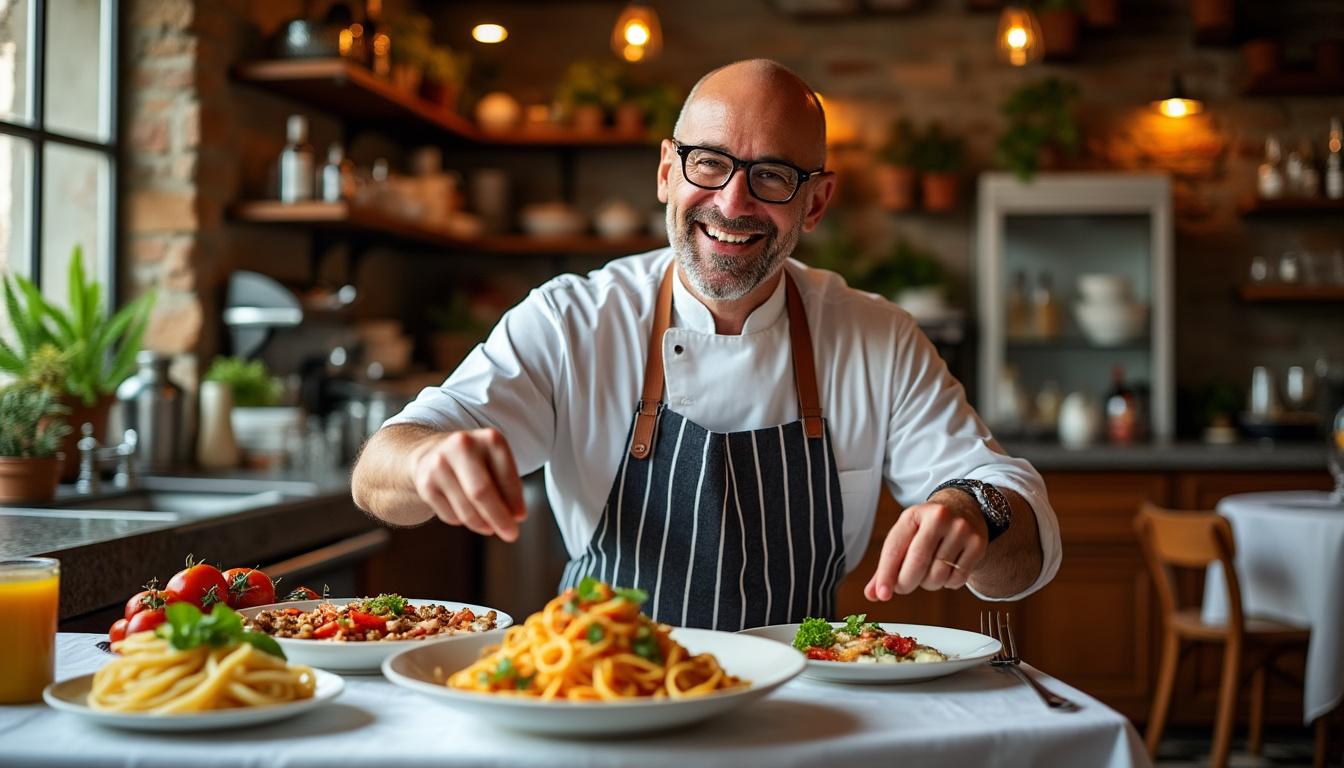
Stanley Tucci Italy Travel Tips for First-Time Travelers: Practical Advice and Foundational Rules
The first encounter with Italy can feel like stepping into a layered painting: every alley, piazza and menu reveals something deliberate and centuries-old. For first-time travelers, the goal is to move beyond the postcard and into the rhythms that make Italian life sing, and Stanley Tucci frequently emphasizes this mindset in interviews and travel segments.
One recurring piece of travel advice for newcomers is to plan less and leave room for discovery. That means choosing a few hubs—Rome, Florence, Naples—and allowing spontaneous detours, whether a farm outside Siena or a tiny seafood stall in Amalfi.
Packing and Logistics: Essential Italy Travel Tips for First-Time Travelers
Packing smart saves emotions as much as money. The golden rule is to travel light and versatile: bring layers for coastal mornings and inland afternoons, comfortable shoes for cobbled streets, and a compact umbrella because microclimates are common in Italy.
A practical checklist aligns with this approach, and many travelers find resources useful when preparing for Mediterranean climates. For an expanded packing list tailored to coastal and city itineraries, consult a practical guide on essential items to pack for a Mediterranean cruise, which translates well for Italian itineraries as well.
Timing, Reservations, and the Art of Not Rushing
The timing of visits affects both mood and cost. Shoulder seasons like late spring or early autumn offer milder weather, thinner crowds, and a chance to engage more meaningfully with local life. Booking a few must-see sites in advance is wise, but leave entire afternoons and evenings unplanned to absorb everyday scenes.
For travelers seeking off-peak rhythms, articles on autumn getaway tips and autumn getaways travel tips highlight how slightly shifted travel windows yield richer experiences and better prices. These adjustments reflect the same instincts that underlie expert Italy travel tips.
A final operational tip: carry a small crossbody bag for documents and a photocopy of the passport, and use an app for offline maps. A modest investment in a data plan or an eSIM will repay itself in ease of navigation and timely reservations.
A compact list for immediate action:
- Pack layers and comfortable shoes.
- Reserve key museums but leave time for wandering.
- Carry photocopies of documents and a small first-aid kit.
- Adopt an off-peak mindset when possible.
- Learn a few basic Italian phrases and gestures.
These fundamentals create the freedom to notice subtle culinary and cultural details that turn a trip into a memory; that freedom is the first and most lasting gift for first-time travelers.
Where to Go: Best Italian Food Spots and Regions Highlighted by Stanley Tucci
Deciding where to begin in Italy often determines the culinary arc of a trip. Many point to Tuscany for a classical start, but Stanley Tucci and seasoned travelers know that every region boasts a singular food language. Mapping an itinerary around those languages turns a vacation into an education in Italian cuisine.
Consider a route that balances iconic cities and smaller towns: Florence for market-driven street food, Bologna for pasta craft, Naples for pizza lineage, and Sicily for sun-infused coastal flavors. Each stop offers distinct techniques and ingredients to explore.
Examples of Italian Food Spots by City
In Florence, a street-side lampredotto stall or a simple trattoria serving ribollita provides more than a meal: it offers a lesson in peasant traditions preserved by modern palates. In Bologna, tagliatelle al ragù at a family-run osteria demonstrates a technique passed down through generations.
Naples requires a slower approach; the perfect pizza is a dialog between dough, tomato, and wood fire. Meanwhile, Sicily’s markets reveal citrus, almonds, and seafood combinations that reshape expectations about Italian desserts and savory dishes alike.
| Region/City | Signature Dish | Recommended Type of Spot |
|---|---|---|
| Tuscany (Florence) | Crostini, Ribollita | Market stall, family trattoria |
| Emilia-Romagna (Bologna) | Tagliatelle al Ragù | Osteria with house pasta |
| Campania (Naples) | Neapolitan Pizza | Pizzeria with wood-fired oven |
| Sicily | Cannoli; Seafood specialties | Market stalls and seaside trattorie |
For travelers who enjoy a maritime leg, combining coastal towns with an island hop works well; resources that describe Mediterranean itineraries can be adapted, such as a practical write-up on where to go on a Mediterranean cruise.
For illustrative color, picture a character named Marco, a schoolteacher turned weekend wanderer, who decides to follow a Tucci-inspired route. Marco’s itinerary alternates museum mornings with market afternoons, leading to an impromptu dinner in a village where nonnas still shape tortellini by hand.
That kind of balance—structured priorities softened by spontaneous deviance—ensures access to both popular Italian food spots and tucked-away gems. The map of taste expands more rapidly when time is left for a local recommendation to alter the plan.
Culinary Experiences and the Must-Try Italian Dish: Finding Authentic Food Recommendations
At the heart of Italy travel tips is a persistent theme: food connects the visitor to a place’s people and history. Identifying authentic culinary experiences depends on slow listening—observing where locals eat, when kitchens open, and which dishes anchor family tables.
One dish repeatedly emerges as a rite of passage for many travelers and culinary hosts: Cacio e Pepe. This deceptively simple Roman pasta distills the elegance of minimal ingredients—Pecorino Romano, black pepper, and pasta—into a dish where technique is everything.
Why the Must-Try Italian Dish Matters
Cacio e Pepe acts as an entrance exam into Roman craft because its success lies in timing and heat control. The creation of a silky sauce requires mounting starchy pasta water into grated cheese without clumping, a small technical challenge that reveals the cook’s touch.
Eating this dish in a neighborhood trattoria rather than a tourist-heavy restaurant offers more than flavor: it offers an encounter with the everyday. When Marco tasted his first perfect plate in a humble osteria, the moment clarified why many recommend small places over starched establishments.
Finding authentic pointers for food recommendations benefits from a layered approach: consult trusted guides, ask a local shopkeeper, and follow sensory cues like queues at counters or lively conversations at dinner tables. A resource focused on discovering genuine neighborhood cultures can be enlightening; explore perspectives on genuine local Italy to refine those instincts.
An effective method is to mix planned reservations with random discoveries. Reserve one high-profile meal to understand the region’s flagship cuisine and leave other evenings open to accept local invitations. This hybrid offers safety and spontaneity in equal measure.
For those wanting to replicate the experience at home, the trick lies in ingredient quality and simplicity. Seek high-quality Pecorino, freshly cracked pepper, and bronze-cut pasta when possible. These choices elevate the basic trio into a memorable plate.
One final insight: the must-try dish is a starting point, not the destination; it opens doors to deeper regional traditions and encourages further exploration of Italian cuisine.
Budgeting and Practical Travel Advice for First-Time Travelers in Italy
Money shapes options but should not dictate intimacy with place. Budget-conscious planning permits richer experiences rather than restricting them, and practical hacks can stretch euros without fraying comfort. Many travelers benefit from pre-trip budgeting tools and tactics that prioritize experiences over accessories.
Begin with airfare and accommodation estimates, but allocate a flexible fund for market meals, a wine tasting, and last-minute local tours. Using public transit and regional trains can free budget space for memorable meals and small artisanal purchases.
Concrete Budget Hacks and Planning for Italy Travel Tips
Several resources offer frameworks to plan affordably across Europe and adapt those strategies to Italy. For instance, a guide to how to plan a budget-friendly European trip helps align ticket timing, lodging options, and sightseeing priorities.
Another practical tip is to choose lodging that includes a small kitchen or breakfast, enabling savings on morning and late-night meals. City passes sometimes bundle museum entries with transit discounts, but verify that the pass matches the intended itinerary to avoid wasted fees.
On the ground, opt for espresso at the bar instead of table service for a quick caffeine hit, eat a larger lunch at a local osteria instead of expensive tourist dinners, and prefer bakeries and deli counters for picnic ingredients. These small habit changes reduce daily costs significantly.
For those who plan maritime segments or island hopping, resources about Mediterranean routes can be repurposed for budgeting; consult a practical overview of Mediterranean cruise destinations and adapt its timing and cost assumptions to the Italian coast.
Marco tried a simple budget experiment: he traded three upscale dinners for a single cooking class in Bologna and found that the class provided skills, stories, and meals that lasted mentally longer than any single gourmet ticket. This trade-off highlights a core lesson: choose one immersive experience every few days and economize elsewhere.
For emergency planning, a small contingency fund covers unexpected tourist fees or medical needs. Contemporary travelers should also be aware of evolving local charges; guides on new tourist fees explain municipal rules and how to budget accordingly.
Key actionable list for budget planning:
- Create a three-tier budget: essentials, experiences, contingencies.
- Book trains and long-distance transport in advance for discounts.
- Limit expensive dinners by scheduling a few special meals and choosing market dining otherwise.
- Use local transit passes and verify city card value versus ticket-by-ticket.
- Keep small cash amounts for markets and small vendors who may not accept cards.
Adopting these measures turns limited funds into purposeful choices and keeps the focus on discovery rather than deprivation, which is the essence of smart budgeting international adventures and effective Italy travel tips.
Cultural Etiquette and Italy Tourism Insights: Social Norms, Food Manners, and Local Interaction Tips
Understanding local etiquette transforms interactions from transactional to relational. In Italy, gestures, greetings, and table behavior carry meaning beyond words, and being attuned to those cues opens doors to richer exchanges. Observing and adapting to norms often yields invitations to family gatherings or insider recommendations.
For example, a respectful greeting matters: a warm “buongiorno” or “buonasera” acknowledges presence and signals openness. In many neighborhoods a momentary greeting to shopkeepers and neighbors creates rapport that can lead to introductions and hidden food recommendations.
Dining Etiquette and the Rituals of Italian Meals
Table manners in Italy reflect a rhythm: appetizers, primi, secondi, contorni, and dessert. It is common to savor the sequence, and ordering several plates and sharing is both economical and culturally aligned. Tips about tipping differ: modest gratuities are appreciated but not obligatory; the bill often includes a service charge called coperto or servizio.
Coffee culture is swift and social. Italians usually stand at the bar for espresso rather than nursed across a laptop. Accepting that tempo and participating can deepen the authenticity of the trip; it also prevents accidental faux pas like asking for cappuccino after noon in formal settings.
When visiting religious sites, modest attire is necessary: shoulders and knees covered where appropriate. Festivals and local markets invite different behavior: ask before photographing people closely and be open to the unpredictability of processions or local celebrations.
Cross-cultural reading helps too. Comparing etiquette notes from neighboring countries sharpens situational awareness; a primer on Turkey etiquette tips demonstrates how regional norms vary and why curiosity and respect remain universal assets.
A final cultural tactic is to cultivate patience. Long meals, late dinners, and deliberate service pace are not inconveniences but invitations to slow down. Marco’s best encounters often occurred when an unhurried dinner led to a neighbor sharing a family recipe or inviting him to a Sunday market.
Being mindful of etiquette enhances enjoyment and fosters goodwill toward visitors; in practice, small efforts yield large relational returns and create memories that outlast the itinerary.