

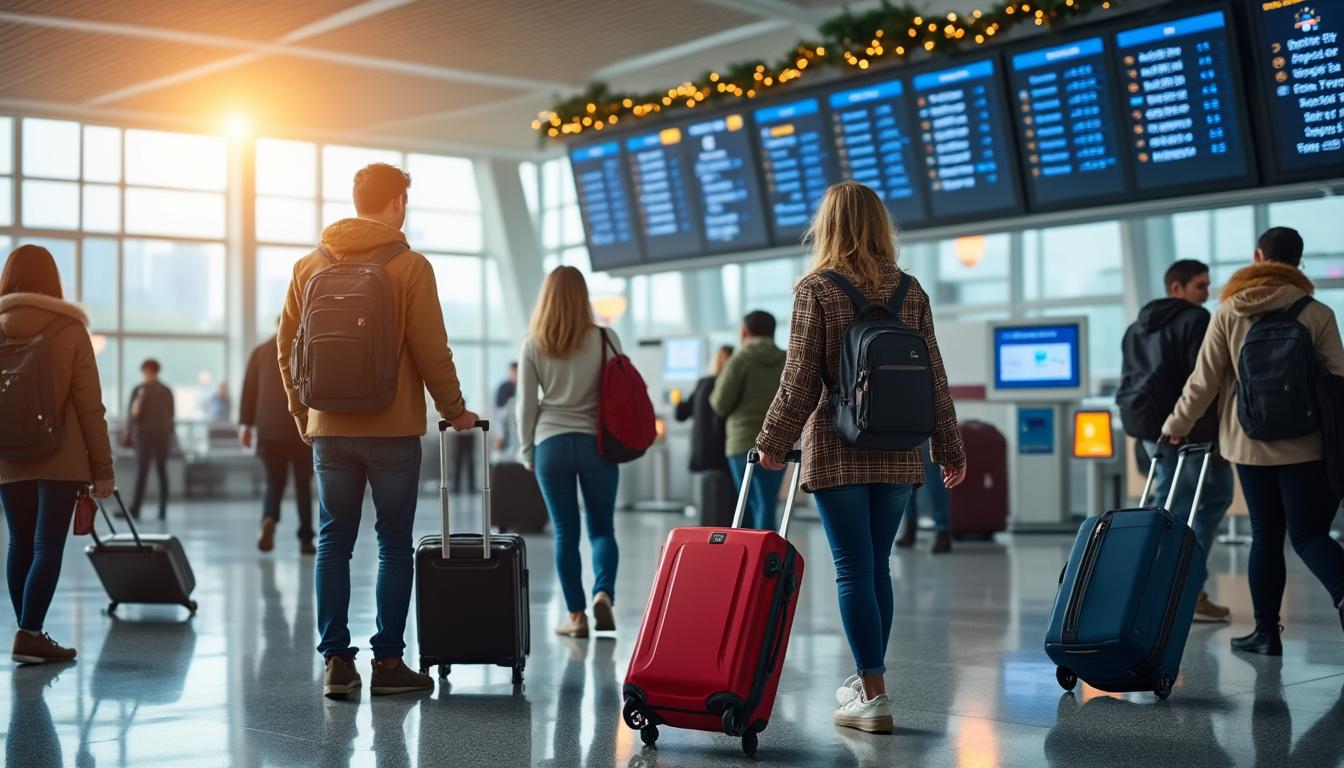
Holiday Travel Planning Strategies for Uncertain Times
When holiday travel becomes unpredictable, preparation transforms anxiety into adventure. Travelers can adopt a proactive mindset by combining reliable tools with flexible plans. A useful narrative thread follows Maya, a mid-career consultant who relies on a compact set of resources—an app called HolidayNavigator, a small emergency fund, and a printable itinerary—to move confidently through disruptions. This approach mirrors advice from leading tourism researchers emphasizing the value of early planning and adaptability.
Start by mapping out priorities: which dates are fixed, which activities are essential, and where flexibility is possible. Doing so helps allocate budget and time intelligently. For example, if family gatherings are fixed on a certain date, secure refundable flights or flexible rail tickets rather than nonrefundable bargains. The goal is to be a ConfidentTraveller, not a frantic last-minute booker.
Common Planning Pitfalls and How to Avoid Them
Many travelers underestimate holiday demand and overestimate the reliability of connections. This leads to tight itineraries that collapse under a single delay. The remedy is simple: add cushion time, confirm bookings 48 hours before departure, and use real-time tracking services. For Maya, switching some plans to later in the day reduced the risk of cascade cancellations when a mid-morning flight was delayed.
- Build a flexible itinerary with optional activities.
- Book refundable or changeable travel where possible.
- Keep digital and paper copies of important documents.
- Use apps for flight tracking and alerts.
In 2025, travel patterns have shifted after a competitive rebound in leisure travel. Industry trend reports highlight evolving booking windows and destination popularity; those insights can be consulted via resources like holiday travel trends to identify less-crowded travel days and emerging routes. Combining trend awareness with personal priorities yields intelligent decisions that reduce stress.
| Planning Element | Proactive Step | Benefit |
|---|---|---|
| Flight Timing | Book early morning or mid-morning flights | Lower cancellation and delay risk |
| Accommodation | Choose refundable rates or flexible bookings | Greater peace of mind and rebooking options |
| Itinerary | Prioritize, then allow buffer days | Resilient schedule if disruptions occur |
One practical example: Maya compared two roundtrips—one cheaper but nonrefundable, the other slightly higher with free changes. She selected the flexible fare and used the savings from a promotional hotel credit to offset the cost. That decision prevented a costly rebooking during a late-December storm. Tools such as TripEssentials checklists and a clear contingency plan reduced friction and allowed her to enjoy the journey.
Planning should also include technology choices. Opt for apps that consolidate itineraries, track flights, and notify when baggage is delayed. A combination of official airline apps and third-party trackers delivers redundancy. Another useful practice is to sign up for airline newsletters and loyalty programs for last-minute upgrade opportunities and rebooking priority.
Key list of immediate actions to start planning:
- Identify non-negotiable travel dates.
- Compare refundable vs. nonrefundable pricing.
- Create a digital folder with travel documents.
- Subscribe to flight-tracking alerts.
- Allocate a contingency fund for unexpected expenses.
| Resource | Use Case |
|---|---|
| HolidayNavigator app | Centralize bookings, alerts and emergency contacts |
| TravelWise guides | Destination protocols and packing checklists |
By treating planning as a layered process—research, reserve, and prepare—holiday travelers turn vulnerability into advantage. The final insight: a modest investment in smart planning tools and flexible bookings multiplies into far greater calm when unpredictability arises.
Packing and TripEssentials for Disruptions and Delays
Packing becomes an act of resilience when unpredictability is the norm. The right TripEssentials can mean the difference between an uncomfortable delay and a manageable inconvenience. Consider the persona of Maya again: she keeps a compact carry-on that anticipates a 24–48 hour delay—medications, chargers, a change of clothes, and high-energy snacks. This practice is practical and psychologically stabilizing.
When packing for the holidays, think layered and modular. Winter travel often necessitates heavier clothing, but strategic layering reduces bulk. Compressible packing cubes and zip-seal bags protect fragile items and make customs inspections faster. Prioritize items that support comfort and continuity of plans.
Essential Carry-on Checklist and Rationale
Each item in a carry-on serves a purpose beyond convenience. For example, a compact power bank keeps devices alive for rebooking and contacting family. A basic medical kit can treat minor ailments until professional care is found. Placing critical items in carry-on baggage avoids the common pitfall of checked-luggage delays.
- Medications and a copy of prescriptions.
- Chargers, power banks, and adaptors for longer waits.
- Travel documents and printed confirmations.
- Comfort items: scarf, neck pillow, earplugs.
- Non-perishable snacks and bottled water (after security).
Travelers with specific needs—families with children, those with pets, or seniors—should add tailored items. For guidance on traveling with animals, consult expert tips such as those found at travel tips for pets. Such resources explain crate requirements, airline policies, and calming techniques for animals during holiday crowds.
| Item | Why It Matters | Pack In |
|---|---|---|
| Medication + prescriptions | Avoid treatment interruption | Carry-on |
| Chargers & power bank | Ensures connectivity for rebooking | Carry-on |
| Change of clothes | Comfort during extended delays | Carry-on |
Example: During a late-December delay, Maya relied on a compact kit to stay comfortable for 36 hours while airlines rebooked passengers. Her phone remained charged, allowing access to airline vouchers and alternative accommodation offers—this minimized lost time and frustration.
Suitcase strategy should complement the carry-on. Use a small rolling bag for essentials and a larger checked bag for bulk items. Label luggage clearly and include a secondary contact card inside each bag. Choosing a suitcase with a built-in tracker or adding an inexpensive Bluetooth tag provides additional insurance against loss.
- Use packing lists tailored to the season and destination.
- Keep one outfit and essential toiletries in carry-on.
- Label luggage and add internal contact information.
- Consider a luggage tracker for long-haul flights.
| Packing Tip | Practical Example |
|---|---|
| Layering system | Thermal base + mid-layer + water-resistant shell |
| Organize with cubes | Quick access when security inspects baggage |
Adopting a packing mindset centered on readiness converts uncertainty into confidence. The key insight: deliberate carry-on planning elevates the traveler from reactive to resourceful when delays occur.
Booking Flexibly: Insurance, Refunds, and TravelSmart Choices
Flexibility is at the heart of resilient holiday travel. Many travelers underestimate insurance options and the value of refundable rates. Industry experts advise purchasing travel insurance early, especially policies that include cancel for any reason (CFAR) coverage. This option, while pricier, provides exceptional protection when plans change due to personal or unforeseeable events.
For Maya, purchasing CFAR coverage and booking refundable hotel rooms reduced stress during a season of heightened airline disruptions. This strategic redundancy meant changes could be made without financial penalty, and the trip’s emotional value was preserved.
Insurance Options and Booking Choices Explained
Travel insurance varies in scope: trip cancellation, interruption, medical, baggage loss, and CFAR. Premium credit cards often include travel protections, but their limits and coverage details differ. Researching whether a card’s protection covers baggage delays or offers reimbursement for prepaid nonrefundable expenses is crucial. Combining a travel-focused card with specialized insurance often yields the best protection.
- Buy travel insurance soon after booking to cover pre-departure issues.
- Verify what your credit card covers and supplement if necessary.
- Prefer refundable airfares and hotels when travel dates are crucial.
- Keep copies of receipts and insurance policies accessible.
There are many practical resources to help travelers make smart choices. For guidance on smooth flying strategies, which often dovetail with booking practices, consult guides like smooth flying tips. These sources offer advice on selecting resilient itineraries and maximizing protections during the busiest travel periods.
| Coverage Type | Typical Benefit | When to Choose |
|---|---|---|
| Trip Cancellation | Reimburses nonrefundable costs | When dates are uncertain or health concerns exist |
| Trip Interruption | Covers return/alternate travel costs | When missed connections are likely |
| CFAR | Partial reimbursement for any cancellation reason | High-risk seasons or unpredictable commitments |
Real-case anecdote: A group of retirees had to cancel a holiday cruise due to a sudden family emergency. The retirees had purchased CFAR and received partial refunds, enabling them to rebook later without financial loss. Those choices reflect a TravelGuard mindset in which pre-trip protection preserves both finances and memories.
Booking smartly means scanning for flexible cancellation policies, using loyalty programs for additional protections, and keeping a list of alternative travel providers. If an airline cancels, having options—alternate carriers, rail partners, or overnight accommodations—enables quicker, less stressful pivots.
- Compare refundable and nonrefundable rates before deciding.
- Use travel credit card protections as first-line coverage if robust.
- Keep a record of booking reference numbers and policy details.
- Consider a travel agent or concierge service for complex itineraries.
| Booking Tool | Best Use |
|---|---|
| Flexible fares | Essential for fixed-date family events |
| Insurance with CFAR | High unpredictability seasons |
Booking with flexibility requires a small premium yet yields high returns in reduced stress and improved outcomes. Insight: investing in flexibility and the right insurance protects both budget and experience when holiday travel goes off script.
Airport Navigation, Security Programs, and Calm Travel Techniques
Navigating busy holiday airports demands strategy. Programs like TSA PreCheck and CLEAR can streamline security, saving time and reducing exposure to long queues. When staff levels fluctuate during peak seasons or government disruptions, trusted traveler lanes become especially valuable.
Travelers should also stay informed about local security procedures. For instance, those flying through hubs with specific protocols can benefit from official resources; an example is guidance available for travelers at Mitchell Airport, which provides details on screening practices and local airport rules—see practical notes such as the TSA regulations at Mitchell Airport. This level of local awareness reduces surprises and accelerates movement through checkpoints.
Practical Airport Strategies
Plan arrival times with cushion, opt for early flights where cancellations are statistically less frequent, and use dedicated security lanes if eligible. If traveling with family, arrange a pre-security meeting point to regroup quickly. Maya’s approach includes pre-loading digital boarding passes and completing any required health or customs forms before heading to the terminal.
- Arrive two hours before domestic and three hours before international flights during peak season.
- Enroll in TSA PreCheck or CLEAR to minimize security time.
- Use airline apps for mobile boarding and updates.
- Keep shoes and belt accessible to speed up screening.
| Airport Strategy | Effect | When to Use |
|---|---|---|
| Early-morning flights | Lower cancellation/delay odds | High-traffic holidays |
| Travel programs (PreCheck/CLEAR) | Shorter security wait times | Frequent flyers or those on tight schedules |
| Mobile check-in | Streamlines boarding and info access | All travelers |
Airlines and airports often publish targeted advice for big travel days such as Thanksgiving. Those planning flights during that holiday should consult helpful overviews like Thanksgiving travel tips, which cover timing, parking, and airport crowds. Combining such guidance with pre-enrollment in trusted traveler programs offers a significant advantage.
Stress-management techniques at the airport matter as well. Simple breathing exercises, a quick walk to avoid stiffness, and mindful headphone playlists can transform a harried experience into a manageable one. Maya carries noise-canceling earbuds and a short guided meditation download to keep calm during long waits.
- Practice quick mobility exercises before boarding.
- Keep important documents in an easily accessible organizer.
- Monitor gate changes and boarding status frequently.
| Security Program | Typical Wait Time Reduction |
|---|---|
| TSA PreCheck | Often reduces wait by 30–50% |
| CLEAR | Speeds biometric ID verification significantly |
Airport navigation is a blend of scheduling, smart program use, and emotional preparation. Final insight: combining logistical preparation with calm practices helps travelers move through crowded terminals with confidence and dignity.
On-the-Road Resilience: Connections, Ground Transport, and Serendipity
The holiday journey does not end at the gate. Ground transport, last-mile logistics, and the capacity to adapt create memorable trips even when plans shift. In the closing leg of Maya’s journey, a delayed flight led to an unplanned evening in a small town where a local winter market became the highlight of the trip. Embracing such serendipity can turn a disruption into a treasured story.
Build redundancy into ground transport plans. Reserve rideshares or rental cars with flexible cancellation, and identify public transport alternatives. If traveling to popular winter destinations, explore off-peak arrival times to avoid congested terminals and roadways. That approach aligns with a TravelSmart philosophy: multiple paths to the same destination reduce single-point failures.
Managing Connections and Local Mobility
When connections are tight, prioritize rebooking options that preserve critical events. Airlines sometimes offer alternate routes via different hubs. Knowing how to request or look up alternate itineraries via apps or agent lines accelerates recovery from missed connections. Keep names and phone numbers of local taxi services or trusted transit apps stored offline.
- Reserve ground transport with free cancellation.
- Keep local currency and contact numbers for backup services.
- Check road conditions for winter travel before leaving the airport.
- Consider rail or ferry options where driving is risky.
| Local Transport Option | Strength | Weakness |
|---|---|---|
| Rideshare | Convenient and widely available | Surge pricing during peak hours |
| Rental car | High autonomy and control | Possible winter driving hazards |
| Public transit | Cost-effective and often timely | Limited late-night options in smaller towns |
Budget-aware travelers should also monitor seasonal discounts. Fall and early winter deals can offset premium costs when reserves are needed for rebooking or lodging. For smart timing and savings ideas, resources such as fall travel discounts and tips provide actionable strategies to preserve money while maintaining flexibility.
Family and group travel introduces additional complexity. Keep a group communication plan, designate a meeting spot at each transit point, and consider travel protection suites that include family coverage. For seniors or retirees, specialized advice helps streamline mobility; resources targeting senior adventurers can be helpful if mobility support is required.
- Create a local contacts list including accommodation and emergency numbers.
- Pre-book parking or airport transfers when possible.
- Allow leisure time in the itinerary to enjoy unexpected detours.
| Resilience Tactic | Practical Outcome |
|---|---|
| Multiple transport backups | Less likelihood of missed events |
| Local exploration mindset | Transforms delays into memorable experiences |
Travel habits that embrace flexibility—booking refundable rides, carrying local maps, and keeping open blocks in the itinerary—create space for discovery. Final insight: by preparing for multiple outcomes, travelers turn volatility into opportunity and often find the journey itself becomes the most rewarding part.