

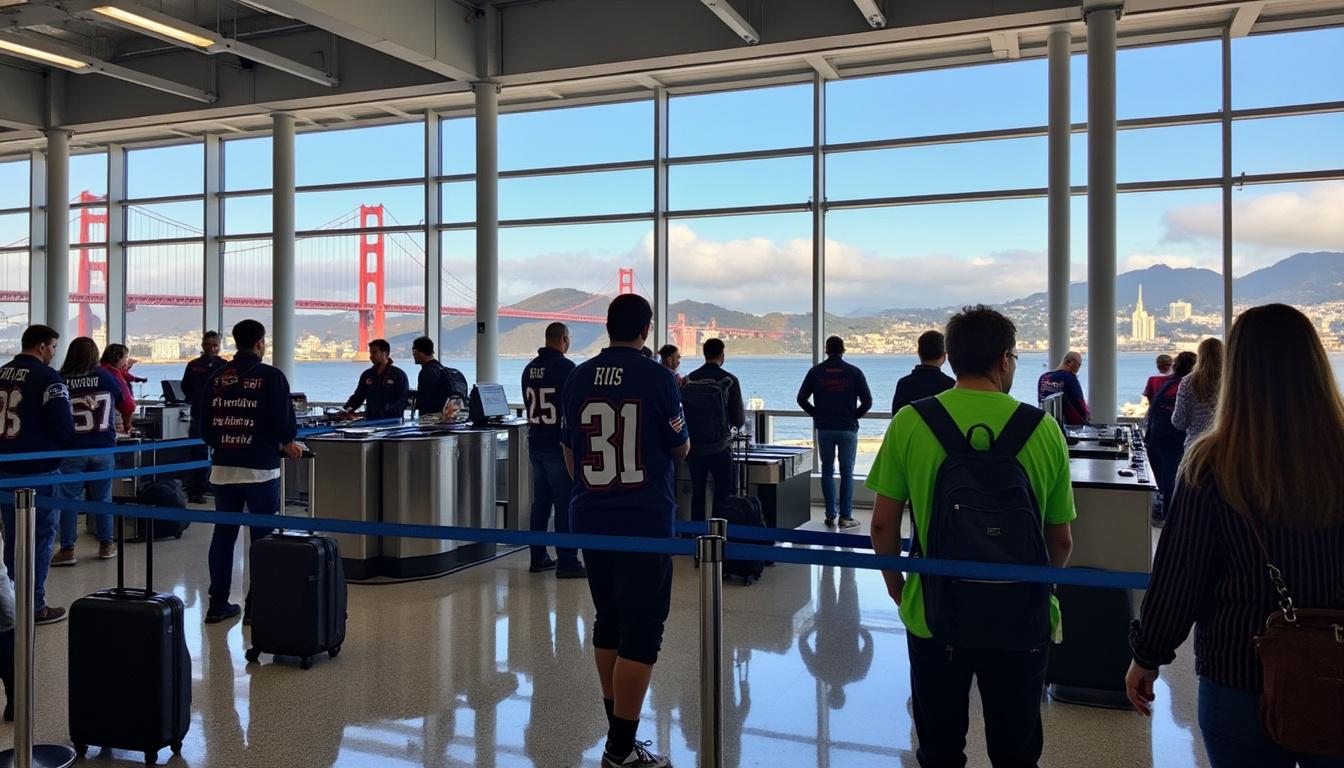
Preparing at Seattle-Tacoma: TSA and Airport Security Guidance for Seahawks Fans Heading to Super Bowl LX
Seattle-bound supporters leaving for Super Bowl LX should factor in more than team spirit when planning travel. With the city’s main airport normally handling roughly 45,000 daily passengers this season, projections show volumes can swell toward 54,000 travelers in the days leading up to the championship game. That surge places airport guidelines and TSA screening procedures front and center for anyone flying out of SEA.
One illustrative traveler, Alex, a longtime member of the 12s, mapped an itinerary around increased flows. Alex scheduled arrival at the airport two hours before a domestic flight, allowed extra time for unexpected delays, and prepared a separate quart-size bag of liquids to comply with the 3-1-1 rule. This small operational choice reduced checkpoint stress and allowed more time to enjoy preflight rituals—coffee, a quick shop for team gear, and a last-minute text to fellow fans.
Security Checklist and Practical Steps
Fans should pack with screening in mind. Liquids, gels, and aerosols must be in containers of 3.4 ounces (100 milliliters) or less and placed in a single quart-sized bag. Items that can spill or be pumped—large sunscreen bottles, full souvenir beverage cans—belong in checked luggage. Shoes can now remain on at most checkpoints, speeding the process while maintaining security standards.
Another practical element is identification. Travelers must bring a REAL ID or another acceptable form of identification to the checkpoint. For those who lack a qualifying ID, the TSA’s optional ConfirmID program offers an alternative identity verification path for a fee, enabling travel for a defined window. For fans unfamiliar with Seattle-specific precautions and transit options, resources such as Seattle travel safety advice provide localized context and tips.
Case Study: Timing and Transit From the North
Consider a scenario where a group from the Puget Sound area plans a midday flight. If SEA’s daily numbers reach the forecasted 54,000, parking lot queues and terminal crowding become the dominant variables in the travel equation. The group’s contingency plan included arriving early to secure terminal curbside drop-off, carrying pre-printed boarding passes, and checking a single bag of oversized souvenirs to avoid delays at the security line.
Connecting to transit options can change the equation. Light rail, shuttle services, and ride-hailing drop-offs are all available alternatives to terminal parking. Choosing a drop-off point slightly farther from the terminal and walking an extra five minutes often shaves minutes off the parking shuttle wait. Teams of seasoned fans recommend mapping the route from parking to the TSA checkpoint the night before departure to remove uncertainty on game day.
Behavior Around Checkpoints: Etiquette and Safety
At busy checkpoints, patience and clarity make the experience safer and faster for everyone. Separate electronics and liquids, present ID and boarding passes clearly, and follow instructions from screened officers. Those traveling with children, mobility aids, or medical needs should look for courtesy lanes or request screening assistance early.
For Seahawks fans, planning more than chants matters: it means building a realistic timeline, packing with screening in mind, and using available tools to avoid last-minute friction. That approach turns travel into part of the celebratory arc rather than a source of stress.
Key insight: Arrive early, pack smart, and lean on local travel resources to ensure security lines don’t steal pregame momentum.
Boston Logan and Patriots Fans: Navigating Heavier Travel Demand and Airport Guidelines
Boston Logan International Airport faces a parallel spike in passenger traffic as Patriots fans head to Super Bowl LX. Airport authorities anticipate busier-than-normal periods and recommend operational adjustments to make departures smoother. Advanced preparation—especially for fan groups traveling together—turns crowd challenges into manageable logistics.
Marco, a lifelong Patriots supporter traveling with a three-person group, approached travel as a small operations exercise. The group staggered arrival times, consolidated luggage, and assigned a single traveler to manage larger souvenir items destined for checked baggage. This division of responsibility reduced checkpoint congestion and preserved travel time for preflight rituals and last-minute team selfies.
Packing Priorities and Screening Tips
Patriots fans should follow the same 3-1-1 liquids guidance used nationwide. Place liquids in a single quart-sized bag, ensure all electronics larger than a phone are accessible for screening, and check that clothing and accessories do not obstruct rapid inspection. Fans planning to bring rally flags, foam fingers, or plastic cups should verify dimensions and packing choices ahead of time.
- Arrival timing: Plan to be at the airport at least two hours before scheduled domestic flights.
- Identification: Carry a REAL ID or acceptable alternative; consider ConfirmID if needed.
- Souvenirs: Pack large or liquid-filled items in checked luggage to avoid delays.
- Group coordination: Assign roles—ticket holder, bag manager, kid supervisor—to streamline checkpoint flow.
- Transit choices: Use ride-share drop-offs and curbside lanes to avoid parking delays.
These straightforward measures reduce the risk of a missed flight and make fan travel part of the event’s overall enjoyment. Boston Logan has staff and signage geared toward handling surges, so following directions and arriving early will usually result in a calm screening experience.
Scenario Planning for Weather and Delays
Winter weather can complicate East Coast travel shortly before the game day. Marco’s group built a buffer by choosing flights with moderate layover windows and flexible rebooking options. This planning proved useful when a regional storm produced minute disruptions: rebooking through the airline’s app was faster than waiting at the gate, and the team’s pre-planned alternate lodging allowed them to stay rested while waiting for a rescheduled flight.
For Patriots supporters, the key to reducing travel friction is redundancy: alternate flights, flexible luggage plans, and clear lines of communication within the travel party. These approaches preserve fan energy for the stadium experience rather than the terminal.
Key insight: Group coordination and simple redundancies convert heavy airport demand into a controlled, enjoyable travel day.
Event Security, Fan Safety, and Sports Travel Logistics in the Bay Area for Super Bowl LX Attendees
Levi’s Stadium and Bay Area authorities will implement layered security and crowd management plans to ensure fan safety and efficient ingress and egress on game day. For anyone heading to Santa Clara, understanding these event security considerations is as important as seat selection. Transportation hubs, perimeter security zones, and travel corridors will shape how fans navigate the final leg of their journey.
Take the example of a fan named Rosa who planned to arrive at Levi’s Stadium three hours before kickoff to soak up the fan festival atmosphere. Rosa’s plan included public transit to minimize parking complications, a lightweight crossbody bag to speed through security, and a clear mental map of designated entrances for her ticket section. That approach eliminated last-minute confusion and preserved time for game-day traditions.
What to Expect at the Stadium Perimeter
Security zones typically require fans to pass through controlled checkpoints where bags may be inspected and certain items restricted. Clear communication from event staff and signage will guide ticket holders to the correct entry points. Fans carrying permitted souvenirs—such as programs, hats, and empty collectible cans—should ensure these items are easily accessible for inspection to avoid delays.
Transportation planning matters. Dedicated shuttle services often run from major transit hubs, and ride-share drop-off zones are usually established to prevent traffic bottlenecks. Parking is limited and managed, so pre-purchasing parking passes and following the stadium’s direction reduces congestion. For fans who prioritize a guaranteed arrival, private shuttle services or secured rides from nearby hotels are viable options.
Souvenir Rules and Returning Home
TSA guidance clarifies that common souvenirs—programs, hats, pennants, shirts, and empty metal beer cans with Super Bowl branding—may travel in carry-on or checked bags. Filled beverage containers, however, must be packed in checked luggage. This distinction matters for fans planning to bring collectibles home without running afoul of airport screening rules.
| Item | Carry-on Allowed? | Checked Allowed? | TSA Note |
|---|---|---|---|
| Super Bowl Program | Yes | Yes | Keep accessible for quick inspection. |
| Souvenir Hat or Shirt | Yes | Yes | Fold to save space; can be screened quickly. |
| Empty Metal Beer Can | Yes | Yes | Empty cans allowed in carry-on; filled must be checked. |
| Collectible Helmet | Depends on size | Yes | Large items usually better in checked baggage. |
Understanding these distinctions allows fans to choose packing strategies that balance convenience and compliance. For example, packing larger memorabilia in checked luggage reduces checkpoint delays and ensures prized items arrive home safely.
Transportation, security procedures, and souvenir rules intertwine to define the stadium experience from arrival to departure. Fans who anticipate these logistics enjoy greater freedom to celebrate the event rather than react to constraints at the gate.
Key insight: Advance planning for stadium access, transit, and souvenir transport keeps the focus on celebration and preserves safety for all attendees.
Video above provides an overview of transit and entry points for fans, complementing the packing and security guidance here.
Practical Airport Guidelines and TSA Innovations Impacting Super Bowl Travelers
Recent changes in screening protocols and identity verification shape how fans pass through checkpoints. The TSA’s ConfirmID program provides an alternative verification option for travelers without an acceptable ID for a fee-based enrollment window. While most travelers will continue to use a REAL ID or passport, ConfirmID acts as a practical fallback in specific circumstances.
Maya, traveling from Boston, used ConfirmID when she misplaced a backup ID but still had her passport in her suitcase. She enrolled in the optional process, paid the fee, and proceeded through security within the program’s defined travel window. The experience highlights how contingency tools help preserve travel plans even when small mistakes occur.
Shoes, Electronics, and Line Management
Another user-friendly change: many checkpoints now allow travelers to keep shoes on, which reduces the number of items placed on the X-ray belt and speeds throughput. Electronics larger than a phone still need to be presented for screening, so packing them at the top of a carry-on or in an easily accessible compartment saves time.
To further smooth the journey, teams of travelers recommend consolidating items in an easy-to-open carry-on and using precheck lanes if available. Fans with TSA PreCheck can typically expect a faster pass-through, which can be decisive when airport volumes spike before major events like Super Bowl LX.
Technology and AI in Travel Assistance
Artificial intelligence and enhanced travel apps are playing supportive roles in event travel planning. From optimized route suggestions to real-time gate-change alerts, digital tools reduce cognitive load and allow fans to focus on the experience. For guidance on how AI can support travel planning and shopping for event-day essentials, consult curated resources such as AI travel advice for gems and shops.
Innovations will not replace fundamental travel habits: arrive early, know what’s in carry-on, present ID clearly, and follow staff directions. These basics, combined with new tools, produce a confident and secure passage through crowded airports.
Key insight: Combine new identity and screening options with classic travel discipline to turn disruptions into manageable detours rather than crisis points.
Post-Game Return Strategies: Flying Home Safely After Super Bowl LX
Returning from Super Bowl LX requires as much planning as the outbound trip. Fans often leave Santa Clara with souvenirs, celebratory purchases, and fatigue—factors that can slow security processing if not anticipated. A return strategy focused on sports travel and fan safety keeps the journey home efficient and enjoyable.
For instance, Miguel—who traveled with a foam finger, a team scarf, and an empty collectible beer can—made clear choices the night before departure. He packed the heavier items in checked luggage, left the scarf in his carry-on for comfort, and ensured the empty can was clean and easily accessible for inspection. These simple choices reduced his checkpoint time and kept the group moving through the terminal.
Souvenir-Specific Packing Advice
Items to place in checked luggage include full beverage cans and oversized memorabilia that might not fit comfortably on the X-ray belt. Smaller, empty souvenirs such as programs and pennants travel well in carry-ons. Fans who value a particular collectible—like a limited-edition helmet—should consider a protective case and checked baggage insurance to mitigate the risk of damage.
For health-conscious travelers, return logistics may also intersect with medical needs. Resources on managing travel-related health concerns provide practical tips for recuperation and safe transit after intense event participation. Consult consolidated guidance such as Health advice for returning travelers for post-event care, hydration strategies, and when to seek medical attention.
Timing and Emotional Aftercare
Emotions after a championship game can color decision-making. Whether elated or disappointed, fans should avoid rushed exits and instead leave stadium grounds on pre-planned transit routes. Allow extra time for longer-than-usual security lines at departure airports, and confirm return itineraries before traveling to the stadium to prevent last-minute scrambling.
Finally, create a post-game checklist: ticket stubs and programs stored securely, electronics charged, essential medications in carry-on, and a buffer of time for delayed arrivals at the airport. Small operational routines preserve celebratory memories while minimizing logistical hassle.
Key insight: Thoughtful packing and a calm, methodical return plan keep the focus on the experience and protect both memorabilia and well-being.