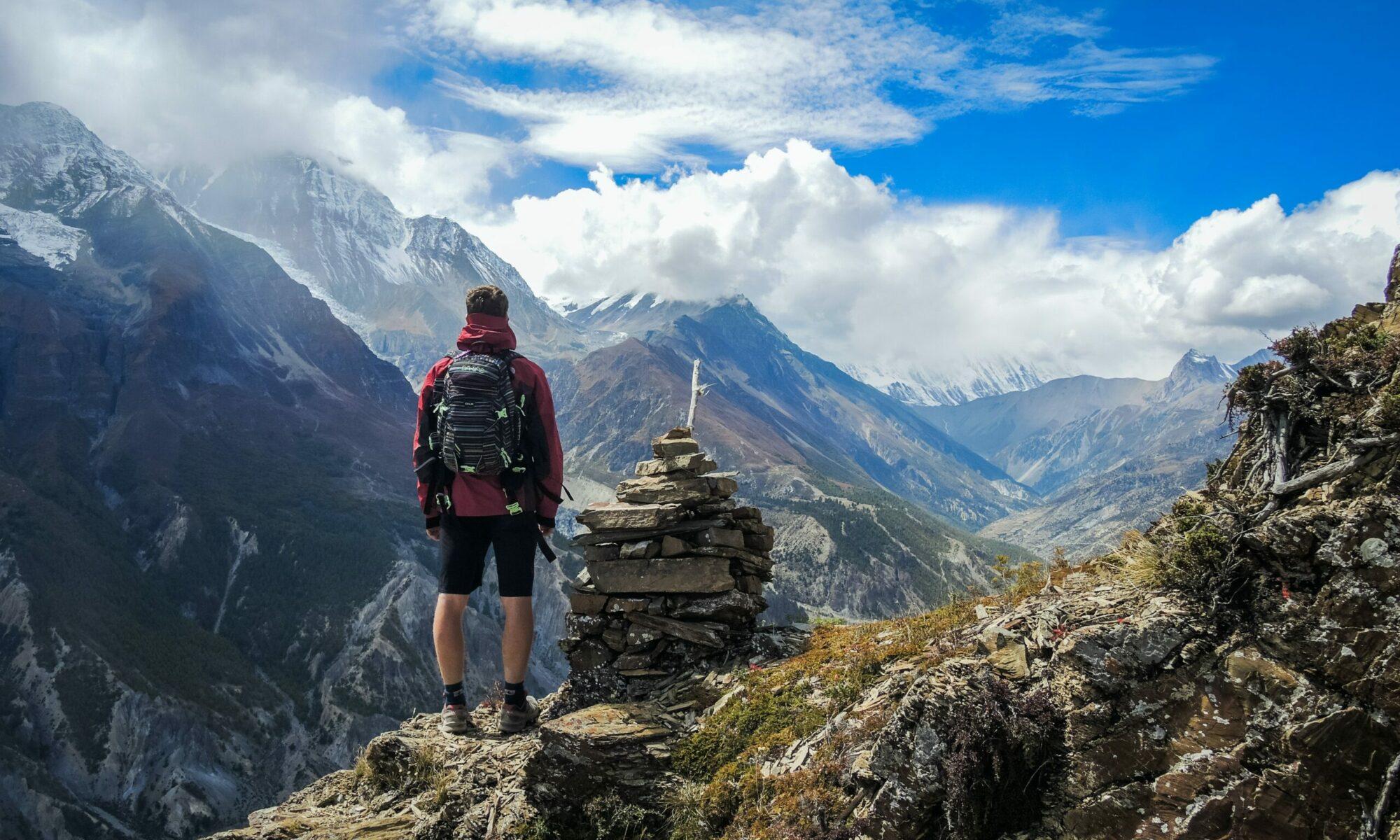


The stretch from the Atlantic to the Pacific, across deserts and temperate rainforests, and down into the volcanic heart of Mexico, has inspired a new era of bold itineraries. This piece maps the most exhilarating, singularly memorable excursions spanning the U.S., Mexico, and Canada—choices that push boundaries, reward preparation, and transform ordinary vacations into enduring stories. Expect rim-to-rim runs of the Grand Canyon, multi-day hut-hops in New Hampshire’s Presidential Range, volcano ascents outside Mexico City, and remote coastal treks on Vancouver Island. Each entry is selected for its blend of scenic drama, cultural resonance, and the kind of adrenaline that leaves a traveler quietly changed.
Resources and planning are woven throughout, with practical pathways: when to book permits, which gear to prioritize, and how local operators can deepen the encounter. The list draws on long-form reporting and curated guides—sources such as National Geographic and contemporary adventure roundups—to suggest reliable partners and conservation-minded practices. For travelers aiming to convert curiosity into trips in 2025 and beyond, recommended platforms like Expedia, Airbnb, and TripAdvisor are used for logistics, while REI, AllTrails, and Lonely Planet guide gear and route choices.
- Practical inspiration: clear, actionable adventures across three countries.
- Trusted tools: platform recommendations for booking, planning, and mapping.
- Responsible travel: tips for permits, wildlife respect, and low-impact camping.
- Fil conducteur: follow Maya, a seasoned guide from NorthStar Expeditions, as a narrative thread illustrating choices, risks, and rewards.
- Multimedia aids: curated videos and a single evocative image to spark trip planning.
Coast-to-Coast U.S. Adventures: Signature Picks and How to Experience Them
The United States contains a cross-section of terrains—canyons, coasts, peaks, and plateaus—that reward repeat exploration. The selection below emphasizes experiences that combine distinct natural settings with memorable activities: rim-to-rim hikes, whitewater runs, alpine routes, and cultural immersion with Indigenous stewards. These itineraries are suited to travelers who want more than a photo; they want a story to carry home.
Core route highlights and logistics
Start with the Grand Canyon rim-to-rim traverse, which reframes a day visit into a bold, multi-day undertaking that tests pacing and kit choices. Bookings must accommodate heat management and river crossings; National Park Service updates should be checked for trail status and water cache information. For those who prefer water-based thrills, the Southeast’s salt flats and Florida’s backcountry provide flats fishing and guided paddlecraft days that pair well with lightweight overnights.
- Rim-to-rim Grand Canyon: permits not always required but best planned with shuttle support.
- Whitewater rafting in Colorado: seasons vary by snowmelt; professional outfitters often include technical gear.
- Hut-hopping in New Hampshire: the Appalachian Mountain Club network requires advance reservations for summer stays.
- Desert superbloom outings: match timing to precipitation cycles and conservation advisories.
Practical tools: use AllTrails to track routes and recent trail notes. When gear matters, lean on REI‘s reviews and the latest GoPro setups for durable action footage; the combination of sturdy kit and reliable mapping transforms risk into confidence. For lodging mid-route, Airbnb can bridge gaps when park accommodations are sold out.
Local partnerships and cultural context
Partnership with local guides elevates both safety and cultural understanding. In the Southwest, Indigenous-led horseback excursions into canyons offer context and care unavailable through casual visits. Maya, the guide from NorthStar Expeditions, routinely highlights that authentic guides provide conservation knowledge and interpretive depth. Use provider directories on platforms like TripAdvisor as a starting point, then verify credentials and local authorization.
- Choose authorized operators: verify permits and insurance before booking.
- Support local economies: hire guides and buy locally produced supplies when possible.
- Respect cultural sites: avoid disturbing petroglyphs, ceremonial areas, and burial sites.
Useful further reading can be found in long-form roundups such as this coast-to-coast reflection: coast-to-coast experiences and broader compilations like AFAR’s state-by-state adventures. These essays help situate one-off trips within a lifelong travel plan. Insight: small investments in preparation unlock substantially greater enjoyment and stronger conservation outcomes.

Mexico’s Volcanic Ascents, Coastal Dives, and Cultural Trails
Mexico’s geography folds active volcanic peaks, desert plateaus, and biodiverse coasts into a single country of striking contrasts. The recommendations here emphasize high-elevation climbs like Pico de Orizaba, coastal experiences including kayak routes and vibrant reef dives, and culturally immersive trails that pair history with outdoor challenge.
Volcano summits and high-altitude safety
Ascending Mexico’s tallest volcanoes requires acclimatization, technical boots, and local logistics. Popular climbs such as Popocatépetl are restricted, but neighboring accessible peaks offer serious alpine objectives. Maya’s itineraries often include acclimatization hikes around smaller foothills before venturing higher; that precaution reduces risk and increases summit success rates.
- Pico de Orizaba and Iztaccíhuatl: require permits and, in some seasons, crampons for icy ridgelines.
- Guided acclimatization: always plan multi-day approaches rather than single-day push attempts.
- Local guides: essential for navigating weather windows and access restrictions.
Conservation and diving: coastal bioluminescent bays and coral reefs are fragile. Visitors should follow local regulations, avoid reef touching, and favor operators that employ low-impact dive practices. For up-to-date trip planning and trends, consult travel compendiums such as Men’s Journal for context, and local Mexican tour directories for operator vetting. Booking platforms like Expedia and Airbnb can help lock down logistics, but always cross-reference operator credentials.
Cultural pathways and community-led tourism
Trail-based cultural experiences connect travelers with living traditions. From regional foodway tours to guided archeological treks, the best excursions combine physical exertion with narrative. Maya’s group prioritizes homestays and community-run camps; doing so channels tourism dollars directly into the places visited.
- Support community initiatives: choose itineraries that return revenue to local populations.
- Respect rituals: attend with curiosity, observe photography guidelines, and ask before photographing ceremonies.
- Pack out waste: reversible tourism minimizes footprint on fragile mountain and coastal systems.
For practical advice on planning longer road- or van-based journeys in Mexico and beyond, resources such as the Vanlife and travel tips pages offer planning frameworks and packing checklists; see guides like vanlife planning and 2025 vanlife top destinations. Insight: merging cultural sensitivity with safety planning produces richer, more sustainable adventures.
Canada’s Coastal Way, Remote Trails, and Wildlife Encounters
Canada’s adventure palette is defined by vast distances and wild coasts. Highlighted excursions include the West Coast Trail on Vancouver Island, multi-day cross-country paddles in Ontario, and polar-edge experiences in the north. These itineraries require attention to tides, bears, and weather systems unique to the region.
West Coast Trail and coastal trekking specifics
The West Coast Trail remains a benchmark for coastal trekking: long boardwalks, ladders, and tidal planning give the route a unique character. Permits and mandatory shuttles sell out; prospective hikers should plan permits as early as January for high-season dates. The route is physically demanding and logistically precise, but its rewards—mossy rainforest, whale sightings, and surf-washed camps—are unparalleled.
- Permits and ferries: book early, and always check tide tables for beach sections.
- Bear safety: food caches, bear-aware camps, and noise discipline are essential.
- App support: download trail apps for navigation and campsite updates; AllTrails remains useful for recent user notes.
Wildlife observation: coastal corridors offer orca and gray whale watching windows. Local rules and whale-watching codes protect animals; choose operators with a conservation-first ethos. The West Coast Trail is managed with a permit system; again, the National Park Service equivalent bodies and Canadian park authorities set the cadence of access and safety rules.
Remote paddling and winter routes
Across Canada, canoe circuits and sea-kayak routes offer extended solitude. The Churchill region and parts of Labrador present polar-light conditions in late-season windows, while the Laurentians and Algonquin remain classic inland paddling zones. Cold-water safety, insulated layers, and reliable communications are non-negotiable.
- Paddling gear: drysuits and redundant flotation systems are recommended for colder zones.
- Navigation aids: satellite beacons and route-planning tools from outfits listed on REI and specialist providers reduce risk.
- Local seasonality: select months for calm water and wildlife viewing, consulting operator calendars.
Contextual reading can be found with conservation-minded reporting and itineraries that frame adventure through stewardship, such as long-form features and guidebook excerpts. For vanlife and RV planning across Canadian borders, these practical checklists are useful: RV tips for 2025 and vanlife harmonious living. The insight: respectful proximity to wildlife and thorough gear redundancy are the twin pillars of safe, memorable wilderness travel.
| Region | Adventure | Location | Recommended season | Difficulty | Resource |
|---|---|---|---|---|---|
| U.S. | Rim-to-rim Grand Canyon | Arizona | Spring/Fall | Hard | details |
| U.S. | Hut-hop Presidential Range | New Hampshire | Late Spring–Fall | Moderate | AMC huts info |
| U.S. | Superbloom viewing | Southern California | Spring | Easy | Theodore Payne Foundation |
| Mexico | Pico de Orizaba ascent | Veracruz/ Puebla | Dry season | Hard | Local guiding services |
| Mexico | Bioluminescent kayaking | Yucatán, Puerto Rico regions | Warm months | Easy | Conservation-friendly operators |
| Canada | West Coast Trail | Vancouver Island | Summer | Hard | Parks Canada reservations |
| U.S. | Whitewater rafting | Colorado Rivers | Spring | Varies | Rafting outfitters |
| Canada | Sea-kayak Gulf Islands | British Columbia | Summer | Moderate | Local guides |
| U.S. | Rock climbing multi-pitch | Yosemite/Red Rocks | Spring/Fall | Hard | Guide services |
| Mexico | Cenote diving | Yucatán | Year-round | Moderate | Certified dive shops |
| U.S. | Backcountry ski descents | Alaska/Colorado | Winter | Hard | Professional guides |
| Canada | Polar bear viewing | Churchill | Autumn | Moderate | Seasonal outfitters |
| U.S. | Mountain biking epic trails | Kingdom Trails, Pisgah | Spring–Fall | Varies | Trail associations |
| Mexico | Desert bikepacking | Baja California | Winter | Moderate | Local guides |
| Canada | Backcountry canoe routes | Algonquin | Summer | Moderate | Parks and outfitters |
| U.S. | Surfing iconic breaks | California, Hawaii | Depends | Varies | Local surf schools |
| U.S. | Zipline canyons | Various | Year-round | Easy | Commercial operators |
| Mexico | Volcanic trail runs | Central Highlands | Cool season | Hard | Race organizers |
| Canada | Coastal foraging and camping | Maritime provinces | Summer | Easy | Local guides |
| U.S. | Shipwreck diving | Great Lakes/Florida | Summer | Moderate | Certified dive shops |
| Mexico | Cultural archaeological treks | Oaxaca, Chiapas | Dry season | Moderate | Community-guided tours |
| Canada | Ice-walker glacier treks | Coastal BC | Summer | Hard | Glacier guides |
| U.S. | Desert night sky obsessions | Utah/Arizona | Clear nights | Easy | Astronomy tours |
| Mexico | Birding migrations | Pacific flyways | Spring/Autumn | Easy | Birding outfitters |
| Canada | Long-distance coastal way hikes | East Coast Trails | Summer | Moderate | Trail associations |
| U.S. | Truffle hunting | Pacific NW | Winter | Easy | Specialist tours |
| Mexico | Volcano rim photography | Central Mexico | Dry season | Easy | Photography workshops |
| Canada | Multi-day fishing lodges | Newfoundland | Summer | Easy | Lodge operators |
| U.S. | Epic coastal drives | PCH, Maine coast | Late Spring–Fall | Easy | Route guides |
| Mexico | Surf and Yoga retreats | Oaxaca coast | Winter | Easy | Retreat operators |
| Canada | Snowshoe starry nights | Rockies | Winter | Easy | Guides and lodges |
| U.S. | Hot-air balloon valleys | Napa, Albuquerque | Year-round | Easy | Balloon operators |
| Mexico | Hot springs and spa hikes | Various | Year-round | Easy | Local spas |
| Canada | Remote winter huts | Quebec/Labrador | Winter | Hard | Booking portals |
| U.S. | Coastal foraging tours | New England | Summer | Easy | Foraging guides |
| Mexico | Cliffside zipline parks | Baja/Coastal regions | Year-round | Easy | Commercial parks |
| Canada | Backcountry heli-skiing | British Columbia | Winter | Very Hard | Specialized operators |
| U.S. | Historic railroad hikes | Appalachia | Spring–Fall | Moderate | Trail organizations |
| Mexico | River canyon rappels | Central Mexico | Dry season | Hard | Professional outfitters |
| Canada | Wildlife photography safaris | BC/Alberta | Summer | Easy | Photography guides |
| U.S. | Desert rock art tours | Southwest | Fall–Spring | Easy | Tribal guides |
| Mexico | Cross-desert off-road | Baja Peninsula | Winter | Hard | Overland outfitters |
| Canada | Island-hopping sea kayaks | Gulf Islands | Summer | Moderate | Kayak operators |
| U.S. | State-by-state highlights | All 50 states | Varies | Varies | National Geographic collection |
The table above gathers representative adventures and practical pointers, and acts as a compact planning compass. Insight: matching seasonality to difficulty—and choosing certified operators—ensures high-reward trips without unnecessary risk.
Water, Sky, and Snow: Action Sports and Multisport Days
Thrill can be found where the horizon opens: atop ridgelines, over surf, and under stars. This section focuses on activities that combine technical skill with sensory payoff—kiteboarding, heli-skiing, surf expeditions, and nighttime bioluminescent paddles. The emphasis is on attainable progression paths and responsible engagement.
Action-sports progression and safety systems
For athletes and motivated beginners, structured progression lowers risk while maximizing fun. Beginners should travel with certified instructors and incremental lesson plans. Many operators compact lessons into weekend clinics with graded exposure to waves or slopes. For documentation and content, a rugged GoPro remains the field standard; pairing that with solid wound-care and safety protocols prevents souvenirs from becoming liabilities.
- Start with lessons: certified coaches accelerate skill development.
- Invest in protective gear: helmets, impact vests, and avalanche beacons for snow sports.
- Insurance: verify rescue coverage for alpine and remote activities.
Water-based luminous experiences—bioluminescence or phosphorescent bays—are increasingly popular. Operators with small-group policies and strict no-touch rules protect ecosystems. For trip inspiration and booking guidance, consult curated lists and trend pages; for equipment and apparel, brands like Outdoor Voices and retail outlets referenced on gear sites help create light, mobile wardrobes suited for multisport days.
Event-driven adventures and storytelling
Pacing a year of adventure around events—trail races, surf contests, or regional festivals—adds narrative to travel. Maya’s clients often align trips with local running events or cultural festivals, providing both structure and community entry points. Event calendars and local tourism boards, plus magazine roundups and resource hubs, make coordinating these trips easier.
- Calendar planning: align travel days with low-impact windows and community events.
- Document responsibly: use cameras to share, not to disturb; crop wildlife close-ups to avoid encouraging risky behavior.
- Practice leave-no-trace: group briefings reduce impact on delicate venues.
Further planning resources and trend reports are available from travel tips compilations and vanlife planning guides: see starter reads such as travel tips and trends and specialized pieces like travel tips for pet hiking. Insight: progression, preparation, and community events convert singular thrills into repeatable, safe achievements.
Planning, Gear, and Responsible Travel: Tools for Turning Inspiration into Action
Great adventures start with great planning. The modern explorer benefits from a blend of curated content, community knowledge, and trusted commerce. Platforms such as Expedia and Airbnb handle bookings; specialist outlets like REI and guidebooks from Lonely Planet advise on gear and routes. Meanwhile, immersive storytelling from outlets like National Geographic and user-sourced reports on TripAdvisor sharpen expectations.
Travel planning checklist and timetables
Begin with a realistic timeline: permits for peak-season trails often open months in advance, and popular hut systems book quickly. Insurance and emergency communication devices should be arranged weeks before departure. Consider layered clothing systems from quality brands and invest in a reliable action camera for documenting alpine or water-based days.
- Permits: check national and provincial park portals early.
- Booking windows: plan 3–6 months for high-season lodgings and 6–12 months for rare permits.
- Gear checklist: layered clothing, navigation tools, first-aid kits, and camera backups.
- Health and insurance: secure appropriate rescue and medical coverage.
For longer-run lifestyle planning, vanlife and RV resources offer sustainable itineraries for multistate or cross-border exploration. Useful resources include vanlife planning, 2025 vanlife guide, and practical savings tips for multi-season travel like winter savings. These articles help travelers reconcile budgets with high-quality experiences.
Responsible tourism and conservation practices
Every visit can either harm or help. Favor operators that pay local wages, adhere to quota systems, and practice conservation-first behavior. In fragile zones, keep human presence minimal and stick to marked routes. Use travel dollars to support community-led conservation initiatives when possible.
- Choose certified operators: look for environmental policies and local partnerships.
- Minimize waste: pack reusable items and avoid single-use plastics.
- Education: read up on regional ecology and cultural protocols before arrival.
For hands-on logistics and nuanced travel tips, consult specialized pages on travel strategies and packing: smooth flying tips, budgeting international adventures, and travel tips for retirees. Combine these practical pages with inspirational reporting from outlets like Outside Online to craft an itinerary that balances ambition with impact. Final insight: intentional planning builds freedom—preparation is the engine of bold, sustainable exploration.
How far in advance should permits be booked for popular trails like the West Coast Trail?
Permits for high-demand routes often release months in advance; for the West Coast Trail and comparable treks, plan to reserve in January for summer spots. Check official park portals for exact dates and ticketing rules.
What are reliable platforms for booking multi-country trip logistics?
Use mainstream aggregators like Expedia and Airbnb for transport and lodging, complementing those bookings with local operator websites and guidebook recommendations from Lonely Planet. Cross-reference user reviews on TripAdvisor when vetting outfitters.
How can travelers reduce environmental impact during adventure trips?
Prioritize community-led operators, follow Leave No Trace principles, avoid disturbing wildlife, and bring reusable gear. Engage with local conservation funds and adopt low-impact transport options when possible.
Which gear investments pay off for multisport travelers?
Durable layering systems, reliable navigation tools, and a quality action camera (such as GoPro) are top priorities. Avalanche beacons for winter, drysuits for cold-water paddling, and sturdy boots for alpine routes offer safety dividends.