

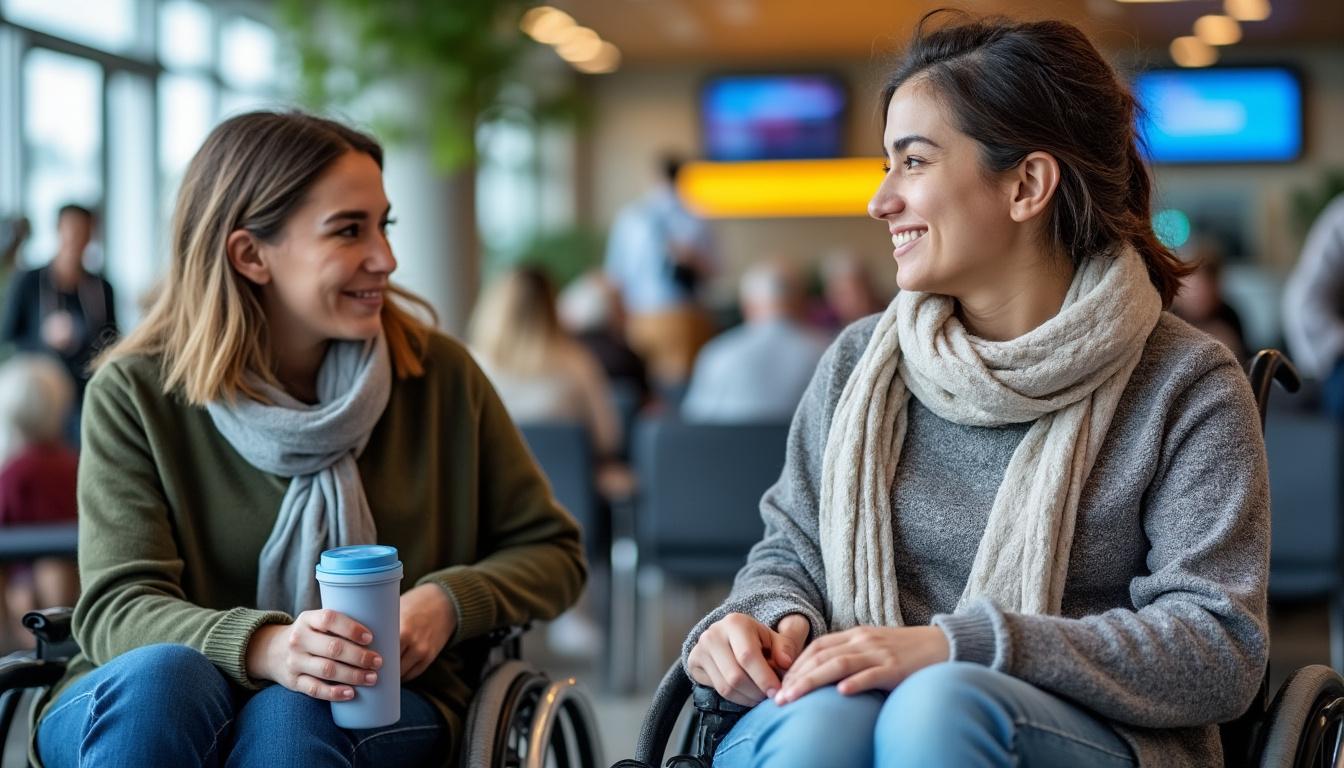
Planning Ahead: Practical Strategies for Travel with Multiple Sclerosis
Preparing for a journey when living with Multiple Sclerosis starts with focused planning that acknowledges individual symptoms and priorities. A traveler who takes time to map out transit times, rest opportunities, and healthcare contacts reduces uncertainty and creates conditions for Safe Travel.
Consider the case of Maya, a fictional traveler with fluctuating symptoms who plans a week-long city break. Maya begins by contacting her airline to learn about mobility assistance, baggage policies for medical equipment, and boarding procedures. Confirming these details in advance frees energy for enjoyment rather than logistics.
Research is essential. Look for local clinics, hospitals, and pharmacies at the destination, and save the contact details in multiple places — phone, email, and a printed card. This habit supports Travel Health preparedness and reduces anxiety about access to care. When traveling internationally, check whether a travel clinic recommends specific vaccines or precautions based on current 2026 public health guidance.
Medical documentation matters. A concise letter from a neurologist or treating physician that lists current medications, dosages, and contact information can be invaluable at border crossings or in emergencies. Packing both original and photocopied prescriptions helps when replacement medication is needed. For those managing injectable therapies, specialized storage instructions or travel refrigeration solutions should be addressed before departure.
Booking accommodations that prioritize accessibility can transform an itinerary. When searching for lodging, filter for elevators, ground-floor rooms, wider doorways, and accessible bathrooms. Many booking platforms offer direct questions to hosts; posing specific queries about step-free access or shower grab bars secures a better match to needs. This kind of planning enhances Comfortable Travel by minimizing daily physical stress.
Transportation within a destination also requires thought. Public transit might be accessible in many cities, but variations in curb cuts, platform heights, and ramp availability can exhaust energy resources. Arrange for reliable local transport options, such as wheelchair-accessible taxis or pre-booked rides, especially for evening returns from events.
Insurance review is a final but crucial step. Ensure that travel insurance covers pre-existing conditions, potential evacuation, and continuation of care. Many plans in 2026 include telemedicine provisions; understanding how to use these services before leaving allows immediate access to professionals while abroad.
Highlighting specific tasks turns planning from vague worry into actionable steps: make an itinerary with built-in rest blocks, confirm medication supply for the entire trip plus contingencies, and verify accessibility features in accommodations and transport. These actions build a framework for MS Management on the road and set the stage for more confident travel.
Insight: Breaking planning into targeted actions — documentation, healthcare mapping, accessibility checks, and insurance — converts uncertainty into reliable systems that enable travel with greater calm and control.
Fatigue Management and Energy Pacing for Comfortable Travel
Fatigue is one of the most common barriers to travel for people with MS; recognizing this reality and building a tailored approach is essential for Fatigue Management. Energy is a limited resource, and smart pacing protects it.
Maya’s travel day model illustrates practical pacing. Instead of a marathon of museum visits, mornings are reserved for the primary activity while afternoons are intentionally lighter or allocated to rest. Evening plans are flexible, allowing for early return to the room when needed. This pacing strategy avoids late-day collapses and preserves the quality of the trip.
Concrete techniques include timed rest breaks, alternating seated and standing activities, and scheduling high-energy pursuits near accessible rest points. Using public benches, museum cafes, or park benches as mini-rest stations keeps momentum without overstaying physical limits. When planning tours, choose half-day options or private experiences that can pause on demand.
Assistive services at transit hubs can conserve significant energy. Airport wheelchair assistance, priority boarding, and curbside check-in mean less walking and faster transfers. Asking for help is a strategic choice — it prevents energy depletion and makes travel more enjoyable. Framing assistance as a resource rather than a concession supports a mindset of adaptive resilience.
Technology supports energy conservation, too. Portable seating devices, lightweight folding stools, and compact mobility aids write themselves into a fatigue plan. Similarly, travel scheduling apps that store reservations, medication reminders, and rest prompts reduce cognitive load and minimize decision fatigue.
Nutritional and sleep routines influence stamina. Plan consistent meal times with energy-sustaining choices like protein-rich snacks and complex carbohydrates. Pre-flight hydration and small, frequent snacks during transit help avoid the fatigue slump that commonly accompanies long travel days.
Finally, emergency pacing rules can avert crashes. If signs of an impending crash appear — increased numbness, slurred speech, or overwhelming exhaustion — enact a pre-planned retreat: find a cool, quiet place, take needed medication, and notify travel companions. These steps limit symptom escalation and facilitate recovery.
Insight: Treat energy like currency: budget it with pacing, practical supports, and contingency plans so that the most meaningful moments of travel are preserved.
Mobility Aids, Accessible Travel and Airport Strategies for Safe Travel
Mobility varies widely among people with MS, and selecting the right equipment and transit strategies is central to Accessible Travel. Evaluating needs before departure ensures that mobility aids actually increase independence rather than becoming a burden.
Maya evaluated options for a spring city tour and decided on a compact travel scooter for long cobblestone streets and a lightweight rollator for short errands. Matching devices to the terrain of the destination minimizes fatigue and removes barriers to exploration.
Airports and train stations present recurrent mobility challenges. Requesting airport assistance in advance guarantees wheelchair or cart support from check-in through to the gate. For train travel, inquire about level boarding and accessible carriages; many operators require advance notice to ensure compatibility with ramps and securement areas.
Consider the following comparative table of common mobility options to guide decision-making:
| Device | Best For | Pros | Cons |
|---|---|---|---|
| Manual Wheelchair | Short distances, controlled surfaces | Simple, no batteries, easy to service | Requires upper-body effort or an attendant |
| Travel Scooter | Long walks, uneven pavement | Greater range, comfortable seating | Larger, airline transport may be complex |
| Rollator | Balance support and brief walks | Lightweight, foldable, encourages mobility | Not ideal for very long distances |
| Cane | Minor balance issues | Compact and easy to stow | Limited support on slopes or long distances |
This table helps translate functional needs into equipment choices. When booking flights, confirm airline policies for batteries and mobility devices. Battery-powered scooters often require specific packing and sometimes airline notification days ahead.
At the destination, accessible navigation apps and offline maps can plot barrier-free routes. Many cities publish accessibility guides that list elevators, ramps, and accessible restrooms. Combining local resources with pre-booked transfers produces a consistent travel experience.
Airport strategies also include packing essentials in an easily reachable carry-on, checking gate changes frequently, and scheduling extra time for security screenings. Communicating needs to staff politely and clearly often speeds service and avoids misunderstandings.
Insight: Choosing mobility aids that align with destination terrain and transit requirements, coupled with proactive airport arrangements, transforms mobility from a limitation into an enabling tool for exploration.
Managing Heat Sensitivity, Bladder Concerns, and Medication Planning for Travel Health
Heat sensitivity is a well-documented trigger for temporary symptom increases in people with MS, so anticipating temperature and humidity is a cornerstone of Travel Health. Practical countermeasures can prevent setbacks and preserve trip enjoyment.
Simple habits like dressing in layers, carrying a cooling towel, and using a portable fan can make warm environments manageable. Cooling apparel such as vests or collars is now more accessible in 2026 and offers real relief during summer excursions. For outdoor sightseeing, plan early-morning activities and reserve afternoons for indoor museums or rest.
Bladder issues are another common challenge. Mapping restroom locations before leaving a venue, using restroom-finder apps, and planning routes that include frequent stops reduces stress. For longer excursions, identify accessible restrooms and choose seating near exits on tours to shorten distances to facilities.
Medication planning is vital. Bring enough medication for the trip plus a reasonable buffer (commonly 7–14 days) in case of delays. Store medications according to manufacturer guidance — some require refrigeration or protection from heat. A clear, labeled pill organizer simplifies daily dosing and reduces cognitive load while traveling.
When flying, keep medications in carry-on luggage to avoid loss or exposure to adverse temperatures in checked baggage. Carry a signed doctor’s note that explains medical necessity for syringes or other devices if applicable at security checkpoints.
Coordination with local pharmacies is prudent for long stays. Research pharmacies that serve travelers and confirm whether prescription transfers are feasible under local regulations. Telemedicine options, now widely available by 2026, can bridge care gaps by providing rapid consultations and electronic prescriptions when needed.
For community and support, connect with local MS organizations or online groups at the destination. These networks often share location-specific tips for hydration stations, accessible beaches, or clinic recommendations. Engaging with peers can provide real-time solutions and moral support during travel.
Insight: Anticipating environmental triggers and meticulously planning medications and restroom access preserves health and comfort, ensuring that the trip remains focused on experiences rather than setbacks.
Packing Smart, Itinerary Design and Travel Tips for MS Management
Packing and itinerary design are the final stitches that hold a successful trip together. Strategic choices here amplify the effects of earlier planning and are essential to Comfortable Travel.
Packing should prioritize function. A compact medical kit containing extra doses, blister supplies, antiseptic wipes, and a small first-aid manual addresses common needs. Include a lightweight, foldable seat for unexpected queues and a cooling towel for hot days. Labeling items and keeping daily essentials in a single carry-on reduces search time and conserves energy.
Here is a practical checklist to incorporate into pre-trip routines:
- Medications: Originals, copies of prescriptions, and a buffer supply.
- Documentation: Medical letter, insurance info, and emergency contacts.
- Mobility Aids: Spare parts, chargers for powered devices, and manufacturer contact info.
- Coping Tools: Cooling gear, portable seat, and noise-cancelling earplugs.
- Digital Backup: Scanned documents stored securely and workstation apps for telemedicine.
Itinerary design benefits from alternating high-activity days with lighter ones and ensuring ease of transit between attractions. Consider private tours that allow flexible pacing, or book small-group experiences with shorter distances between stops. For winter or extreme-weather plans, consult targeted guides about conditions; seasonal advice such as packing insulated layers is critical and is available in specialized resources like winter travel tips.
Local cultural knowledge enhances enjoyment. For instance, some European city centers restrict vehicle access, increasing walking demands on cobbled streets; reading recent local advice prevents surprises. An example resource for destination-specific quirks is an article on outdated or changing travel norms, which may reveal old tips that no longer apply: outdated France travel tip.
Finally, cultivate a flexible mindset. Weather delays, longer waits, and schedule changes are part of travel. Having a simple contingency plan — an alternate activity, an accessible café for rest, or an early evening return — turns disruption into manageable variation.
Insight: Smart packing and thoughtful itinerary rhythm convert logistical planning into a toolbox for sustained energy, comfort, and the freedom to enjoy meaningful travel moments.