

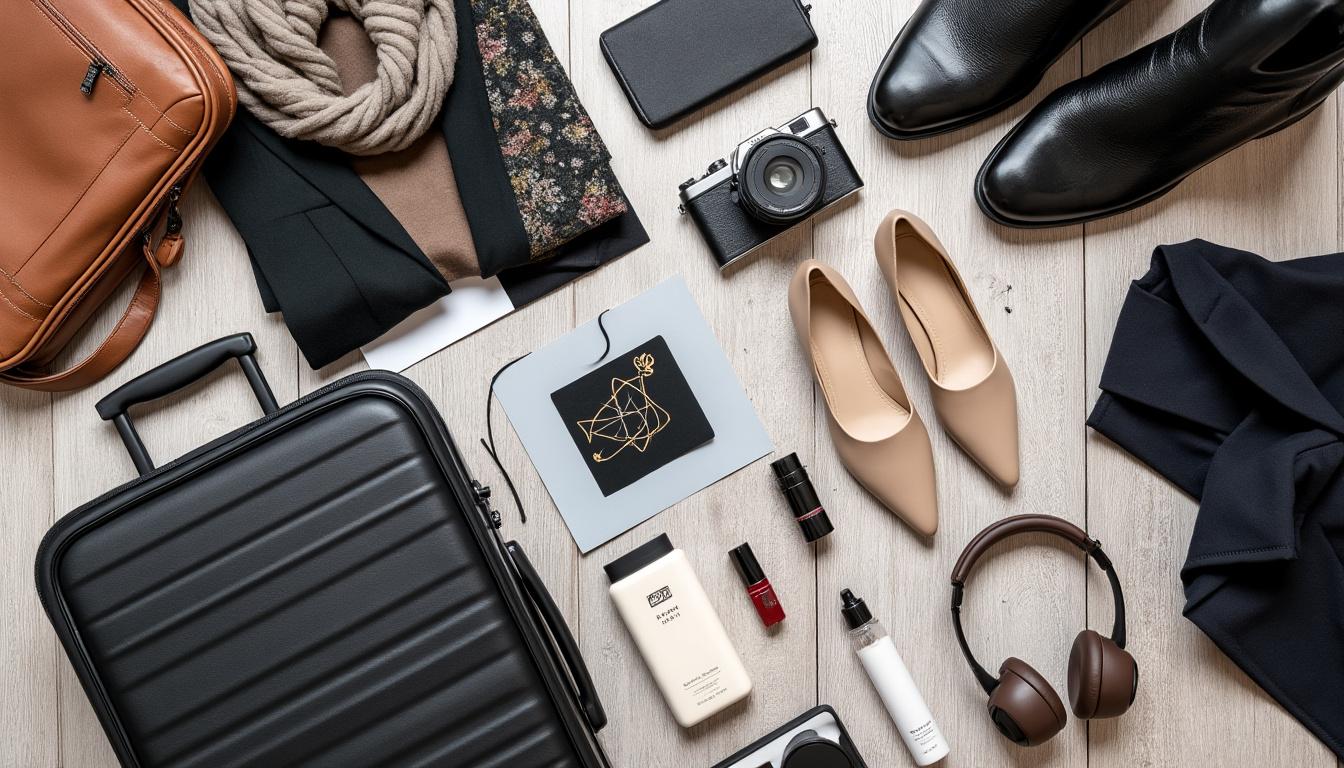
Expert Packing Systems for Long-Haul Travel from a Fashion Editor
Long-haul travel demands a different mindset than a weekend escape; the stakes are higher and choices matter more. A fashion editor’s approach reframes packing as a system rather than a hurried checklist, focusing on efficient packing, clever layering, and items that earn their place through multiple uses.
Imagine a traveler named Maya, a freelance photographer and style consultant who leaves New York for six weeks to chase light across coastal towns. The narrative follows Maya’s methodical selections: she plans garments that mix and match, prioritizes comfort for flights, and reserves a few surprises for special events. This throughline shows how wardrobe planning can transform a suitcase into a toolkit for varied days.
The Packing-Day Process: From Chaos to Composition
On packing day, the exercise begins by laying everything out by category—sweaters, activewear, swim, basics. That visual edit creates permission to remove items that don’t meet the three-ways-to-wear test: if an item can’t be styled at least three distinct ways, it gets left behind.
That editing habit becomes the backbone of expert packing. For Maya this meant eliminating impulse buys and leaning into pieces that double as day and evening options. It also meant embracing the practical tools that stylists prize, like packing cubes, which compress and sort simultaneously.
Systems Over Outfits: How to Think in Modules
A modular system breaks a vacation wardrobe into interchangeable sets: a loungewear module, an active module, daytime basics, dresses, and swim. Each module contains neutral anchors and one or two statement pieces to refresh looks without adding bulk.
When packing for long-haul travel, the utility of a modular approach is clear. It reduces decision fatigue, accelerates mornings, and keeps the carry-on agile. The goal is not to own a perfectly curated capsule, but to know which pieces will realistically be worn and which will sit unworn.
Packing Tools and Travel Essentials
High-quality packing cubes and a reliable suitcase form the practical core. A set of cubes separated by category saves time on arrival and makes re-packing painless before returns. For those who prefer lighter baggage, a robust carry-on strategy is essential—learnings mirrored by guides such as expert carry-on packing tips that stress organization and multipurpose items.
Between compression and categorization, this section’s takeaway is the mindset shift: packing is an editorial process. Final insight: treat the suitcase like a magazine spread—every piece must justify its presence.
Wardrobe Planning and Style on the Go for Long-Haul Travel
Good wardrobe planning anticipates climate, activities, and the rhythms of travel. It starts with a short mood board: color palette, silhouettes, and a list of events. From there, each chosen item is evaluated for fit, versatility, and fabric—materials that pack well and bounce back from wrinkles are prioritized.
Consider Maya’s January trip across warm coastal towns with a rented car. Her packing leaned into linen pants and elevated pajamas—items that read polished after a long flight and work for both remote work and casual dinners. This kind of intentionality ensures style on the go without overpacking.
How Fabrics and Function Dictate Selections
Natural fibers like linen and cotton breathe well in warm climates, while technical blends are preferred for active days. Choosing a Francis Cashmere Sweater (or equivalent) for cool evenings offers warmth without weight. The intersection of comfort and polish defines many fashion editors’ travel picks.
For swim and resort days, a mix of one-pieces and statement bikinis allow for family-friendly options and striking photographs. Packing both kinds ensures readiness for beach mornings and poolside evenings. This duality is critical when a trip includes both work and downtime.
Accessory Strategy: The Multiplier Effect
Accessories multiply outfit possibilities. A single necklace, a pair of sunglasses, and a convertible tote can transform repeated basics into distinct looks. The rule applied by editors is to pack accessories that can be worn at least ten times and still feel fresh.
Keywords meet practice with curated footwear choices: sneakers that do gym and brunch duty, a sandal that pairs with dresses and swimwear, and a more polished shoe reserved for special nights. Efficient footwear selection reduces weight and increases outfit variability.
| Module | Anchor Piece | Number of Items | Why It Works |
|---|---|---|---|
| Loungewear | Elevated pajamas | 3 | Comfortable for work-from-hotel days and can be dressed up with accessories |
| Activewear | Compression leggings | 7 | Washable frequently, styled with layers for walks or classes |
| Daytime Basics | Linen wide-leg pants | 5 | Neutral base for multiple tops and versatile for hot weather |
| Dresses | Midi dress | 4 | Works for daytime with flats, evening with heels |
Practical insight: labeling packing cubes and keeping a small inventory note ensures quick decisions while traveling. For additional packing inspiration, resources on genius packing hacks complement a fashion editor’s perspective by emphasizing tools and shortcuts.
Packing Hacks and Travel Essentials for Efficient Long-Haul Travel
Packing hacks are where creativity meets logistics. Small innovations—rolling shirts to save space, stuffing shoes with socks, or using dryer sheets to keep freshness—compound into substantial benefits on longer trips. These micro-habits support the larger editorial goal: fewer decisions, more impact.
Maya’s routine included a weekly laundry cadence and a hidden mini-suitcase of items reserved as a mid-trip refresh. That secret stash of special-occasion pieces resurfaced halfway through, making garments feel new again without expanding luggage.
Carry-On Priorities and In-Flight Comfort
Long-haul flights require a carry-on strategy that supports comfort and immediate mobility. Basics include a travel-sized skincare set, a hydrating mist, noise-cancelling earbuds, and a lightweight scarf that doubles as a blanket. This list blends travel essentials with a fashion editor’s eye for polish.
Those seeking granular methods can consult curated guidance like the series on carry-on organization and practical selections available at resources similar to packing tips for stylish travelers. The point is to curate a carry-on that reduces stress and keeps day-one looks intact.
Smart Layering and Outfit Repeating
Outfit repeating is an art, not a compromise. When the same dress gets worn three times, it should appear fresh through changed accessories, alternate shoes, or a light jacket. Creative reuse extends a trip wardrobe and allows for fewer items overall.
Layering principles are simple: start with a comfortable base, add a statement mid-layer, and finish with a compact outer layer. Each layer must serve multiple scenarios to justify its weight. The final benefit is versatility across climates and activities.
- Checklist for carry-on essentials: travel documents, basic skincare, a spare top, headphones, compact charger, and a multipurpose scarf.
- Maintenance tips: include a mini laundry kit and stain remover wipes to prolong garment life between washes.
- Security habits: keep valuable accessories in a small pouch within the carry-on to prevent in-flight theft and loss.
Closing insight: treat the carry-on as a curated capsule for the first 72 hours; this reduces the urgency of unpacking and allows for calmer arrival days.
Curating Modules: Active, Daywear, and Special-Occasion Strategies
Each wardrobe module must feel intentional. Activewear should be more than workout clothes; it must transition to walks, coffee runs, and casual photo shoots. Daywear anchors like linen pants function across settings. Special-occasion garments are packed sparingly and often hidden to feel new later.
For Maya the balance between fitness goals and leisure mattered. Packing seven active looks allowed her to attend multiple classes weekly while keeping laundry to a minimum. That cadence demonstrates how modular thinking supports lifestyle goals during long-haul travel.
Activewear as a Flexibility Engine
Technical fabrics that dry quickly and resist odor become essential for long trips. The trick is dressing active pieces with unexpected layers—a sleek shirt over leggings, or a bomber jacket tucked at the waist—to shift context quickly from gym to lunch.
Editors often recommend investing in one or two standout active pieces that elevate an entire module. These items become anchors for multiple outfits and reduce the number of pieces required overall.
Special-Occasion Tactics and Hidden Gems
Saving a few items in a hidden compartment or secondary suitcase creates mid-trip delight. A dress that can convert from a daytime skirt to an evening focal point extends usefulness. This tactic reduces the need to overpack while preserving excitement.
Additionally, a small, structured jewelry case keeps accessories organized and prevents tangling. Picking pieces that adapt—clip-on earrings, adjustable necklaces—allows for varied styling without excess volume.
Key insight: a well-curated module is about deliberate constraints that foster creativity. Those constraints elevate the travel wardrobe from functional to memorable.
Packing Mistakes, Safety, and Practical Travel Tips from an Editor’s Lens
Even the most meticulous packer can make avoidable errors. Common pitfalls include overpacking “just in case” items and underestimating laundry frequency. Editors mitigate these by testing outfits ahead of time and adhering to a strict edit: remove at least two items before zipping the suitcase.
A useful anecdote follows Maya on a day she nearly exceeded airline weight limits. The episode prompted an important rule: carry a compact scale and prioritize multi-use garments to avoid overweight fees and last-minute swaps.
Avoidable Pitfalls and Pro Tips
Many travelers fall prey to the belief that packing cubes alone will solve overpacking. Cubes help, but the true safeguard is rigorous editing. Carrying a few hidden items for mid-trip surprises also prevents urge purchases and keeps the wardrobe cohesive.
Security measures are equally important. Keep electronics and valuables in a small internal pouch and maintain situational awareness during long-haul transits to minimize the risk of in-flight theft. These practicalities pair with style choices to create a confident travel experience.
Resources and Final Editor-Level Recommendations
Complementary resources on travel preparation and safety deepen preparedness. For broader planning and seasonal hacks, guides like those on summer travel prep and minimalist packing expand the editor’s toolkit. Referencing established resources helps align the fashion editorial approach with broader travel best practices.
Below is a compact table summarizing common pitfalls and solutions for quick reference.
| Problem | Editor Solution | Practical Result |
|---|---|---|
| Overpacking | Perform a three-ways-to-wear test and remove two items | Reduced weight, streamlined choices |
| Wrinkled clothes | Choose resilient fabrics and layer strategically | Polished arrival looks with minimal ironing |
| In-flight discomfort | Pack hydrating mist and an elevated loungewear set | Better rest and refreshed appearance |
For travelers seeking broader operational advice—such as safety while traveling or handling TSA delays—complementary reading on topics like TSA delays and airport operations and pet travel guidelines helps round out planning beyond wardrobe decisions.
Final insight: the best packing system balances imagination and restraint. A fashion editor’s discipline adds joy to long-haul travel by ensuring that each worn look tells a story, every item earns its place, and the journey itself becomes part of the style narrative.