

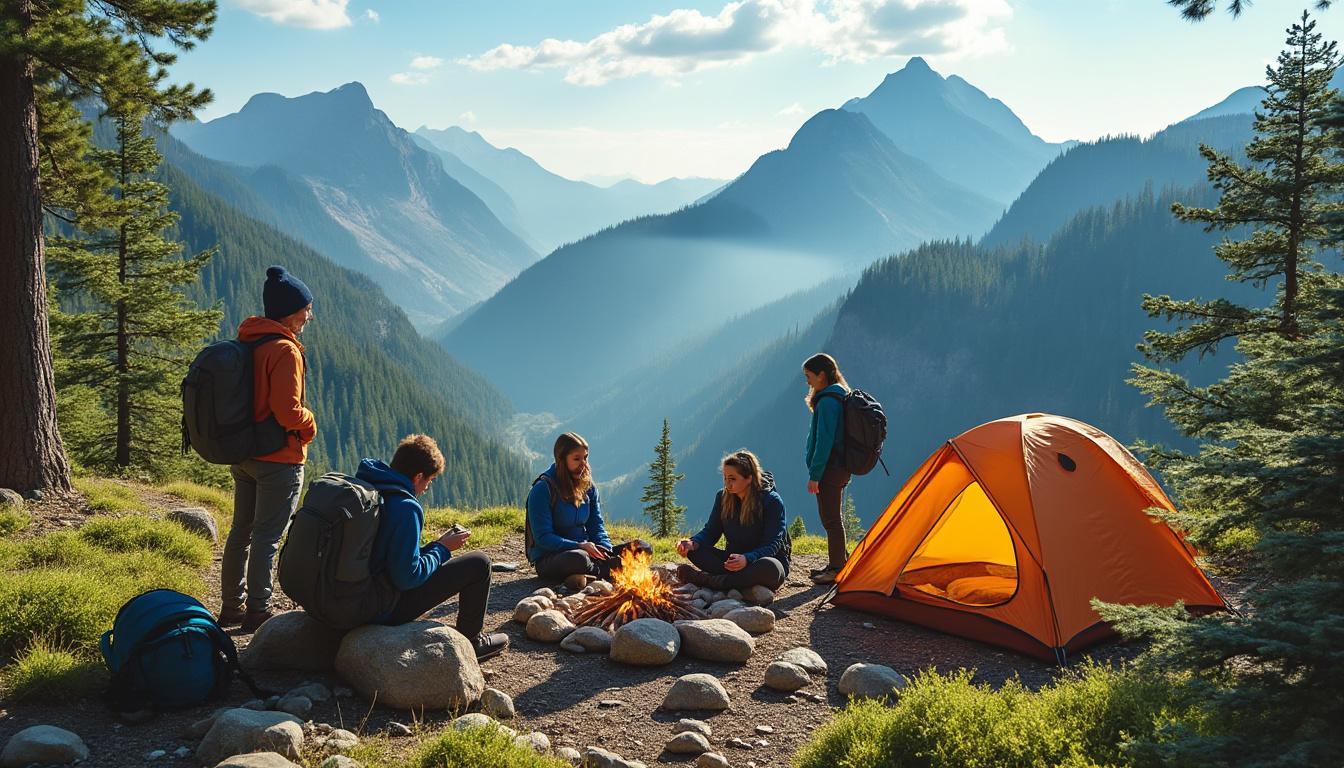
Insider Tips for Planning National Park Road Trips and Managing Logistics
Planning an unforgettable visit to a national park begins with practical Travel Advice rooted in experience. A successful itinerary balances time on trails with moments for reflection, so the visitor leaves less hurried and more attuned to the landscape. Many seasoned nomads recommend starting each park stay at the visitor center to gather up-to-date trail conditions, permit changes, and ranger-led program schedules.
For road trip logistics, consider vehicle and campsite constraints early. Smaller campers fit more easily into park campsites, reducing the need for long pre-booking windows. For example, a compact trailer under twelve feet is likely to fit in nearly all sites that allow RVs, while a 40-foot rig will dramatically limit options. That spatial reality shapes route choices, reservation lead times, and fuel planning.
Timing is crucial. Shoulder seasons often offer pleasant weather with fewer crowds, which is ideal for quiet mornings on Hiking Trails and intimate wildlife viewing. When peak season strikes, many parks use timed entry or permit systems to protect fragile ecosystems; incorporating these systems into the plan prevents last-minute disappointment. If flying is part of the trip, combine national park logistics with expert aviation guidance, such as smooth flying tips, to keep connections and baggage handled smoothly.
Maps, both digital and paper, remain paramount. Cell coverage can be spotty inside deep canyons or vast wilderness areas, so download offline maps and carry a lightweight topo map for emergency navigation. Pair maps with a clear power plan: solar panels and modern battery systems can sustain phone navigation, GPS devices, and headlamp charging without relying on campground hookups.
Permits and passes are another layer of logistics. An annual pass unlocks access to many sites for a modest fee, but special permits are often required for backcountry travel, river trips, or overnight climbs. Research the park’s permit process in advance and use official channels to avoid delays. Where volunteering is an option, the Volunteers-In-Parks program sometimes includes access benefits and a deeper orientation to local stewardship efforts.
Budgeting for a national park road trip should include fuel, emergency funds, and contingencies for weather-driven delays. Set aside extra days for unexpected road closures or inspiring discoveries that warrant lingering. Those extra days transform a checklist sprint into an immersive experience, allowing visitors to savor ranger talks, sunrise viewpoints and long, reflective hikes.
Practical preparation also extends to season-specific guides. For winter travel, consult curated resources like winter travel tips to plan clothing layers, traction equipment, and campsite heating strategies. For summer-focused itineraries in desert or high-elevation parks, localized advice such as summer travel tips for Nevada can inspire smarter timing and hydration planning.
Finally, weave in a narrative thread to each trip: a story to unify decisions and build memories. Follow the example of long-term nomads who treat each park like a chapter in a larger journey, balancing destinations with purposeful pauses. That narrative approach makes permits and maps part of a lived story rather than a bureaucratic hurdle.
Key insight: Planning that privileges time, small-footprint vehicles, and local intelligence converts logistical hurdles into a framework for meaningful Adventure Travel experiences.
Low-Impact RVing, Solar Power and the Nomadic Lifestyle on Parklands
Adopting a Nomadic Lifestyle while exploring national parks requires adjustments that prioritize both comfort and conservation. Modern campers increasingly rely on solar power rather than noisy generators; this transition reduces fuel hauling and preserves the quiet of campgrounds for wildlife and fellow visitors. A well-designed solar system with MPPT charge controllers can support lights, laptops, and refrigeration, enabling longer stays in remote sites without compromising the natural soundscape.
Examples from long-term travelers illustrate the payoff. A restored 1960s camper retrofitted with solar panels and lithium batteries can run essential electronics for days while remaining off-grid. This setup lets nomads take advantage of first-come, first-served sites and remain adaptable when reservation windows are tight. The quiet efficiency of solar also improves relationships with neighbors in campgrounds and supports respectful Outdoor Exploration.
Low-impact RVing involves more than power choices. Reduce waste by carrying refillable containers, choosing biodegradable soaps, and planning meals to minimize packaging. Campground etiquette includes keeping generator use to strictly permitted times, parking so that vehicle lights do not intrude on adjacent sites, and using existing fire rings where allowed. These small habits compound into a measurable reduction in ecological footprint.
Safety and self-sufficiency are natural complements to low-impact practices. Carry a basic repair kit for tires and towing, a compact toolkit for minor camper fixes, and spare fuses and wiring components appropriate to the power system. Additionally, digital nomads working on the road should have redundant connectivity strategies: a primary mobile hotspot, a backup SIM, and offline copies of critical documents.
Stories of successful nomadic couples show how community ties can enhance low-impact travel. Volunteering with park programs or showing up for local trail maintenance fosters goodwill and creates opportunities to exchange knowledge about solar setups, campsite tips, and Camping Essentials. Beyond the environmental benefits, the nomadic ethos often leads to deeper relationships with park staff, which in turn enriches future visits.
Financially, off-grid systems can reduce operating costs. Solar installation amortizes over years through saved generator fuel and quiet enjoyment. The trade-off is the initial investment and learning curve; however, open forums and campground conversations provide practical troubleshooting and equipment recommendations. For those seeking more structured instruction, local workshops and ranger-led talks often include information on low-impact practices and campsite safety.
Finally, a nomadic life on the road prioritizes storytelling. The couple who began with a tiny camper and a plan to see national parks turned logistical choices into a philosophy of travel: keep gear minimal, power silent, and leave the smallest imprint possible. Embracing smaller rigs, renewable power and thoughtful habits yields richer experiences and preserves parklands for future visitors.
Key insight: A commitment to low-impact RVing and solar technology transforms the practicalities of travel into a sustainable platform for extended Adventure Travel.
Hiking Trails, Camping Essentials and Safety Practices for Every Season
Hiking and camping in national parks require careful attention to gear, route selection, and seasonal hazards. A basic checklist can prevent many common problems: layered clothing, a reliable headlamp, water treatment, navigational tools, and a compact first aid kit. Each item plays a role in resilience on trails where conditions change rapidly.
Layering is a technique that mitigates temperature swings from morning to afternoon. Start with moisture-wicking base layers, add insulating mid-layers, and finish with a waterproof shell. For footwear, select boots or shoes with appropriate tread for the terrain; desert slickrock demands different soles than alpine talus. Consider gaiters in dusty or muddy conditions to keep grit out of socks, which reduces blister risk.
Water management is particularly important. In some parks surface water is abundant and safe after filtration; in desert parks, every drop must be conserved. Bring a reliable filter and a collapsible backup container. For multi-day hikes, plan caches or know the locations of reliable water sources before departing.
Trail selection should balance ambition with current fitness and weather forecasts. Start with shorter loops to assess trail conditions and personal pacing. On steep or exposed routes, use trekking poles to reduce joint strain and improve stability. When exploring lesser-known routes, such as Off-the-Beaten-Path spurs, leave an itinerary with park staff or a trusted contact and check in on return.
Wildlife encounters demand a calm, informed approach. Maintain distance, store food properly, and use bear-resistant containers where required. For effective Wildlife Watching, arrive at dawn or dusk and use binoculars or zoom lenses to observe from a respectful distance. Never feed animals; habituation endangers both creatures and humans.
A quick reference list of essential items follows to simplify preparation:
- Navigation: Offline maps, compass, GPS device.
- Water: Filter, hydration bladder, spare bottles.
- Shelter: Tent or caravan tie-downs suitable for local weather.
- Safety: First aid kit, whistle, repair kit, fire-starting tools.
- Comfort: Insulating sleeping pad, warm sleeping bag, camp stove.
Example case: a spring canyon hike can be unexpectedly cold at sunrise. A hiker who layered properly and carried a compact stove for a quick hot drink avoided hypothermia. Conversely, a summer ascent in the desert without adequate water and shade planning can quickly escalate to heat illness. These contrasting anecdotes underline the importance of season-specific preparation.
For those traveling with dogs, consult specialized guidance such as dog hiking tips to maintain animal safety and comply with park leash rules. Similarly, solo adventurers should review solo travel tips for companionable but cautious strategies.
Regularly attending ranger-led programs adds critical safety intelligence about trail closures, rare animal activity, and weather warnings. Combining well-chosen gear with situational awareness allows hikers to embrace rugged landscapes responsibly.
Key insight: Thoughtful preparation for trails and campsites—tailored to season and terrain—turns potential hazards into manageable challenges and deepens the quality of Outdoor Exploration.
Wildlife Watching, Off-the-Beaten-Path Experiences and Ranger Connections
Observing wildlife and seeking Off-the-Beaten-Path experiences are central reasons many visitors choose national parks. Successful wildlife watching relies on patience, timing, and respect for habitat. Early mornings and late afternoons typically yield the most activity, and staying quiet with low-profile optics increases the chance of meaningful encounters.
Stories from long-term travelers show how patience and curiosity pay off. One nomadic pair arrived at a remote overlook before dawn and waited for a raptor migration to unfold. By staying still and silent, they watched a thermal lift of hawks for nearly an hour. Such moments highlight the power of slow travel and the advantage of lingering beyond popular viewpoints.
To access less trafficked areas, plan routes that combine popular trailheads with connecting spurs known to local rangers. Visitor centers provide invaluable intel on lesser-known loops and seasonal wildlife corridors. Those seeking solitude should consult maps for secondary trails, but take care: off-trail travel may be restricted to protect fragile plants and archaeological sites.
Volunteering offers a dual benefit: it deepens understanding and sometimes opens doors to lesser-known areas. Park volunteers often assist in education programs, trail maintenance, and habitat restoration. These roles build relationships with staff who can share insights about quiet overlooks, lesser-known Hiking Trails, and the best times to visit sensitive habitats without disturbing resident species.
Respectful photography and observation protocols are essential. Use long lenses to avoid close approaches, do not broadcast animal locations on social media that might increase disturbance, and comply with park rules regarding drones and baiting. Ethical observation ensures that wildlife remains wild for future generations.
For a practical framework, consider a simple schedule for a wildlife-focused day:
| Time | Activity | Purpose |
|---|---|---|
| Dawn | Quiet stakeout at a known water source | Observe mammals and birds during peak activity |
| Midday | Short interpretive ranger program | Learn local ecology and safety measures |
| Afternoon | Short hike to elevated vantage point | Scan for raptors and distant ungulates |
| Dusk | Return to camp quietly | Listen for nocturnal species and preserve site integrity |
Bringing human-powered craft adds a different lens to wildlife viewing. Kayaks and bicycles reduce noise and expand access to quiet coves, backcountry lakes, and bike-only corridors. Where permitted, these modes allow close approaches that remain noninvasive. For those exploring waterways, local safety guidance and marine wildlife etiquette are crucial.
Finally, treat every encounter as an opportunity to learn. Attend ranger lectures, take notes on species behavior, and revisit places in other seasons to observe life-cycle changes. That layered knowledge converts single-day sightings into ongoing learning and stewardship.
Key insight: Combining patience, ethical observation, and ranger partnerships enables transformative wildlife experiences while preserving the integrity of wild places.
Adventure Travel Mindset: Volunteering, Cultural Context and Staying Safe
An Adventure Travel mindset blends curiosity, humility, and preparedness. Embracing cultural and historical context enriches park visits and fosters stewardship. Ranger programs often include Indigenous histories, geological narratives, and ecological restoration updates that reshape the way landscapes are perceived.
Volunteering offers a hands-on pathway into these stories. Many visitors report that short-term volunteer stints, such as trail maintenance or educational outreach, provide more lasting memories than a single scenic stop. These roles often include free or discounted campsite access and a close-knit community of fellow volunteers who share techniques for low-impact living and efficient packing.
Incorporating cultural context also means recognizing the human stories entwined with parklands. Learn about traditional land uses, historic trails, and the cultural resources that parks protect. Those perspectives deepen appreciation for conservation priorities and offer a richer travel narrative.
Risk management is a core part of an adventurous mindset. Weather volatility, remote terrain, and increasing visitation require contingency plans. Travelers should carry redundancy in communications, practice leave-no-trace principles, and be prepared to modify plans when rangers issue advisories. Season-specific resources like travel tips for winter weather can guide clothing and transit choices, while broader safety compilations such as holiday travel tips include strategies for navigating busy holiday weekends.
Community connections also matter. On the road, sharing knowledge about repair shops, fuel windows, and resupply spots creates a safety net. For example, a nomad who ran out of propane found assistance through a campground network and a volunteer who lent a spare hose. These networks reflect the cooperative spirit that sustains long-term travel.
Finally, the adventure mindset includes a pledge to leave spaces better than they were found. Participate in local stewardship events, learn proper disposal techniques for non-biodegradable waste, and model respectful behavior to younger travelers. These acts strengthen the bonds between recreation and conservation.
Key insight: Adopting an adventurous yet responsible mindset—anchored in volunteering, cultural awareness, and smart safety planning—elevates travel from sightseeing to meaningful engagement with parklands and communities.