

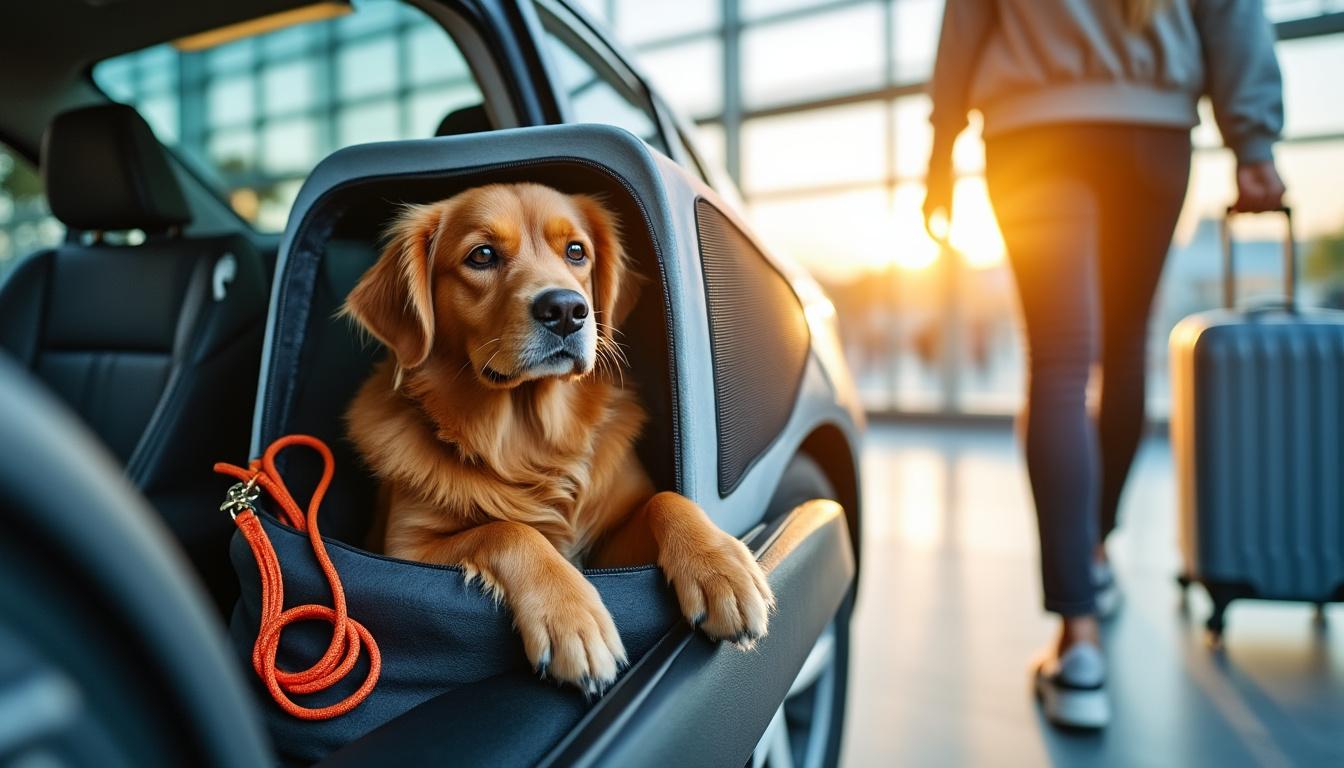
Essential Travel Preparation for Pet Travel: How to Plan Ahead for a Smooth Journey
Planning is the backbone of successful pet travel. Ahead of departure, a structured approach to travel preparation reduces stress for both owner and animal, and prevents last-minute complications that often turn an exciting trip into a logistical headache. Consider the fictional traveler Maya and her dog Rocco as a guiding thread: Maya begins planning weeks before departure and uses checklists and professional advice to ensure every detail is accounted for.
Start with a comprehensive vet visit to confirm vaccines, discuss preventive medications, and obtain any required health documentation. Many destinations and carriers require formal certificates or lab results that can take days or even weeks to process. A proactive appointment helps align vaccine schedules with rules, limits the risk of denied boarding, and supports pet safety.
Pre-Travel Checklist: Practical Items to Prepare
A concise checklist keeps priorities visible and actionable. Below is a practical list that mirrors what experienced pet travelers use when preparing for long or short trips.
- Health records including vaccination history and recent exam notes.
- Microchip registration details and current identification tags.
- Travel crate or carrier compliant with airline or rail rules.
- Familiar bedding and toys to reduce stress during transit.
- Calming aids if recommended by the veterinarian.
- Copies of local veterinary clinics at the destination.
- Pet-friendly accommodations pre-confirmed, including any fees or rules.
Each item should be checked off with realistic deadlines. Maya schedules her vet visit six weeks before travel, secures paperwork three weeks out, and confirms accommodations two weeks before departure. This timeline avoids rushed steps and aligns with many travel guidelines that require lead time for approvals and certificates.
Timeline Table for Travel Preparation
A timeline helps visualize deadlines and responsibilities, especially when navigating travel restrictions and international rules.
| When | Action | Why It Matters |
|---|---|---|
| 6+ weeks before | Comprehensive vet exam and vaccination updates | Some labs and injections require lead time; ensures health clearance |
| 3–4 weeks before | Gather documentation, microchip verification, and crate training | Documentation processing and acclimation reduce day-of stress |
| 2 weeks before | Confirm travel carrier size and book pet-friendly lodging | Prevents last-minute denials and identifies any lodging restrictions |
| 3–7 days before | Pack essentials, finalize local veterinary contacts | Last-minute details handled with calm and clarity |
Foresight also includes researching destination-specific rules. A 2024 industry report highlighted that the majority of pet owners travel by car, but air travel introduces different layers of regulation. When Maya planned a coastal trip, she learned that her destination required additional documentation; addressing that early saved time and stress.
For practical resources and deeper checklists, consult expert guides that focus on organization and cost-saving travel hacks. These resources offer tips that integrate seamlessly with a thorough prep timeline and help to avoid common pitfalls. For instance, a concise guide on packing and reliable travel behavior will complement the practical checklist mentioned earlier (reliable travel hacks).
Good preparation underpins an intentional, calm travel experience that prioritizes pet comfort and safety. A clear timeline and checklist ensure no essential step is overlooked. Key insight: early organization is the single best predictor of a smooth journey with a pet.
Practical Pet Safety and Comfort Tips for a Smooth Journey
Ensuring pet comfort during transit requires practical strategies that address both physical safety and emotional well-being. The story of Maya and Rocco illustrates how incremental preparation makes travel less stressful. Before boarding any mode of transport, the pet’s environment should be predictable and cozy.
Start by training the pet to accept the travel crate or carrier well before departure. Crate acclimation reduces resistance and panic during transport. Gradual exposure—placing treats, toys, and familiar bedding inside—helps create a safe haven. Rocco, for example, associated a favorite blanket with the crate, significantly lowering his anxiety during car trips.
Calming Methods and Health Considerations
Calming options span from behavioral training to veterinarian-prescribed solutions. Natural remedies such as pheromone sprays or anxiety wraps can help mild cases. For severe travel anxiety, veterinary consultation may lead to short-term prescriptions. Any medication plan should be trialed before the trip to ensure predictable effects.
On the safety side, seatbelt harnesses and secured carriers prevent injury during sudden stops. For car travel, harnesses that attach to seat anchors are a reliable choice; they limit movement and reduce the risk of distraction for the driver. For airline travel, selecting an airline-approved carrier that fits under the seat is essential for cabin-approved small pets.
In addition to restraint and calming, hydration and feeding protocols matter. Avoid feeding a large meal right before travel to reduce the chance of motion sickness. Small, frequent water breaks and a familiar small snack will maintain comfort. Rocco did best with a light meal three hours before departure and frequent short walk breaks en route.
On-the-Road Practices to Maintain Pet Safety
During stops, secure the animal with a leash or harness before opening the vehicle. A common mistake is allowing a startled pet to bolt when doors open; a secure leash and closed doors reduce that risk. Identify pet relief areas before hitting the road and plan breaks every 2–3 hours on long drives to stretch, hydrate, and exercise.
For air travel, understanding carrier dimensions, airline policies, and in-cabin versus cargo rules prevents denials at the gate. When in doubt, contact the carrier directly and document communications. Many modern services specialize in pet logistics and can help navigate complex requirements; these solutions can be particularly useful when flying to remote or restricted destinations.
Digital tools can assist with live tracking and updates. Apps that list pet-friendly stops, clinics, and accommodations help keep decisions informed while traveling. For broader travel tips tailored to pet owners, consult detailed resources that focus on the intersection of logistics and animal welfare (travel tips for pet owners).
Attention to comfort and safety transforms travel from a necessary ordeal into an opportunity for bonding and discovery. With careful preparation and the right gear, pets become willing, enthusiastic companions rather than sources of anxiety. Final insight: consistent, humane preparation ensures safety and preserves the joy of travel for both human and pet.
Choosing Pet-Friendly Travel and Avoiding Travel Mistakes
Selecting pet-friendly destinations and accommodations greatly impacts the quality of a trip. Wise choices reduce friction and enhance the shared experience. Maya learned that destinations with accessible outdoor spaces and clear pet policies made every day easier for Rocco, compared with densely urban, pet-restrictive locations.
Avoiding travel mistakes starts with realistic expectations about the destination. Some places that are marketed as pet-friendly lack adequate outdoor space, nearby veterinary care, or public etiquette that accommodates animals. Prioritize hotels and neighborhoods that advertise explicit pet services—things like on-site water bowls, dog menus, and designated exercise areas are concrete signs of true pet-friendly travel.
Hotel Selection and Local Etiquette
When booking a stay, review the property’s pet rules carefully: size limits, additional fees, and whether pets are allowed in public spaces or dining areas. Reliable pet-friendly properties often post amenities like welcome treats, walking maps, and policies for deep-cleaning fur-prone rooms. The Sanctuary Beach Resort’s practice of listing pup names at check-in and providing a dog menu exemplifies industry-leading hospitality that respects both pets and other guests.
Respect for others is a major component of pet-friendly etiquette. Keep pets leashed in public, manage barking or disruptive behaviors promptly, and adhere to waste disposal rules. These actions prevent complaints and help maintain access for all travelers who bring animals.
Avoiding Common Mistakes on Short and Long Trips
Common mistakes include underestimating the pet’s need for movement, ignoring local travel restrictions, or failing to secure proper documentation. Another frequent error is assuming a pet will behave the same way in all environments; many animals respond to new sights and sounds with stress. Maya observed that Rocco, normally calm, needed extra exercise and playtime on a beach retreat to remain relaxed indoors at night.
Case study: a family that booked a high-rise apartment expecting rooftop access discovered the building enforced no-pet policies on terraces. Verification by phone before booking would have prevented relocation mid-trip. This illustrates the value of direct confirmation with hosts and properties.
To minimize risk, use dedicated directories and verified reviews focused on pet-friendly travel. These platforms highlight properties with consistent track records and provide photographs of actual amenities. Travel decision-making becomes simpler when prioritized criteria include outdoor space, proximity to veterinary care, and clear guest policies.
As pet travel gains mainstream traction, it’s important to balance personal desire for exploration with communal considerations. A considered approach, along with direct research and clear communication with lodging providers, reduces friction and avoids mistakes that can spoil a trip. Closing insight: selecting the right destination and lodging prevents the majority of avoidable travel hassles for pets and people alike.
Navigating Travel Restrictions and Documentation for International Pet Travel Guidelines
International travel with a pet demands meticulous attention to travel restrictions and paperwork. Every country sets its own rules regarding vaccinations, microchipping, and import permits. Missing a single required document can lead to quarantine or denied entry, so a systematic approach to documentation is non-negotiable.
Begin by checking official government and airline sources for destination-specific pet policies. Some countries require blood tests, rabies titers, or waiting periods after vaccinations. These steps may take several weeks to complete, so immediate action is essential when planning overseas travel.
Documentation Essentials and Real-World Examples
Standard documents include an official health certificate, proof of rabies vaccination, microchip records, and proof of ownership. For certain destinations, a government-endorsed export certificate or a veterinary lab report is mandatory. Maya encountered this when planning a transoceanic visit; an additional titration test extended preparation time, reinforcing the need for early verification.
Airlines may have their own set of rules beyond entry requirements. Carrier policies often determine whether pets travel in-cabin or must fly as manifest cargo. In international flights, cargo travel can expose animals to temperature and pressure conditions that require specific planning. When uncertainty exists, professional pet travel services can bridge information gaps and ensure compliance.
Step-by-Step Guide to Avoiding Paperwork Problems
- Contact destination embassy or consulate to confirm entry requirements for animals.
- Schedule a vet visit early to handle vaccinations, microchipping, and lab tests.
- Obtain and notarize official health certificates according to destination rules.
- Verify airline carrier policies for pets and reserve approved carrier space well in advance.
- Maintain digital and printed copies of all documentation and emergency contacts.
These steps reduce the probability of delays or quarantine and protect the pet’s welfare. For complex cases or unusual destinations, industry specialists provide tailored solutions and can liaise with airlines and authorities. Bark Air and similar services often advise on temperament assessment and bespoke travel arrangements to fit unique circumstances.
As international pet travel becomes more frequent, regulatory frameworks evolve. Tracking official updates and relying on verified, up-to-date resources prevents surprises. A final critical point: documentation diligence is not bureaucratic overkill—it is a direct expression of pet safety and legal compliance that protects the entire traveling party.
Managing Pet Separation Anxiety, On-Trip Behavior and Post-Travel Care
Addressing emotional needs is as important as meeting physical requirements. Many pets experience separation anxiety or travel-related stress that intensifies in unfamiliar settings. Practical strategies and post-travel care make reintegration smoother and preserve the positive memories created on the road.
Recognize behavioral signals early: excessive panting, pacing, or vocalizing can indicate stress. In many cases, incremental acclimatization to travel routines, such as short practice drives or crate sessions, significantly reduces anxiety. Training that pairs positive reinforcement with progressive exposure builds resilience.
Tactics to Reduce Separation Anxiety and Maintain Good Behavior
Structured routines—consistent feeding times, sleep rituals, and exercise—help pets feel anchored during travel. Bringing highly familiar items, such as the pet’s blanket or a favored toy, maintains sensory continuity. Maya discovered that Rocco’s calm returned quickly when his sleeping blanket accompanied him on daily excursions.
For persistent anxiety, consult a behavioral specialist who can recommend modification plans or temporary medical support. Evidence-based approaches combine environmental enrichment, counter-conditioning, and limited use of medication when necessary. Documented cases show that early intervention dramatically improves long-term outcomes.
Post-Travel Health Checks and Recovery
After arrival, schedule a follow-up with a local veterinarian if the trip involved significant time zones, climate changes, or extended flights. Inspect for parasites, dehydration, or signs of illness. Some pets experience delayed reactions to travel stress, and a timely check-up detects concerns before they escalate.
Finally, create a comfortable recovery plan: quiet rest areas, gentle exercise, and gradual reintegration to normal routines. A small reward system for calm behavior reinforces the positive aspects of travel and helps the pet associate journeys with pleasant results.
For additional guidance on separation anxiety specifically, specialized resources provide structured, practical advice and exercises that can be integrated into travel plans (pet separation anxiety tips).
Managing emotional care before, during, and after travel ensures the animal’s well-being and makes future trips more enjoyable for all. Closing insight: attentive behavioral care transforms travel into an experience that strengthens the human-animal bond rather than testing it.