

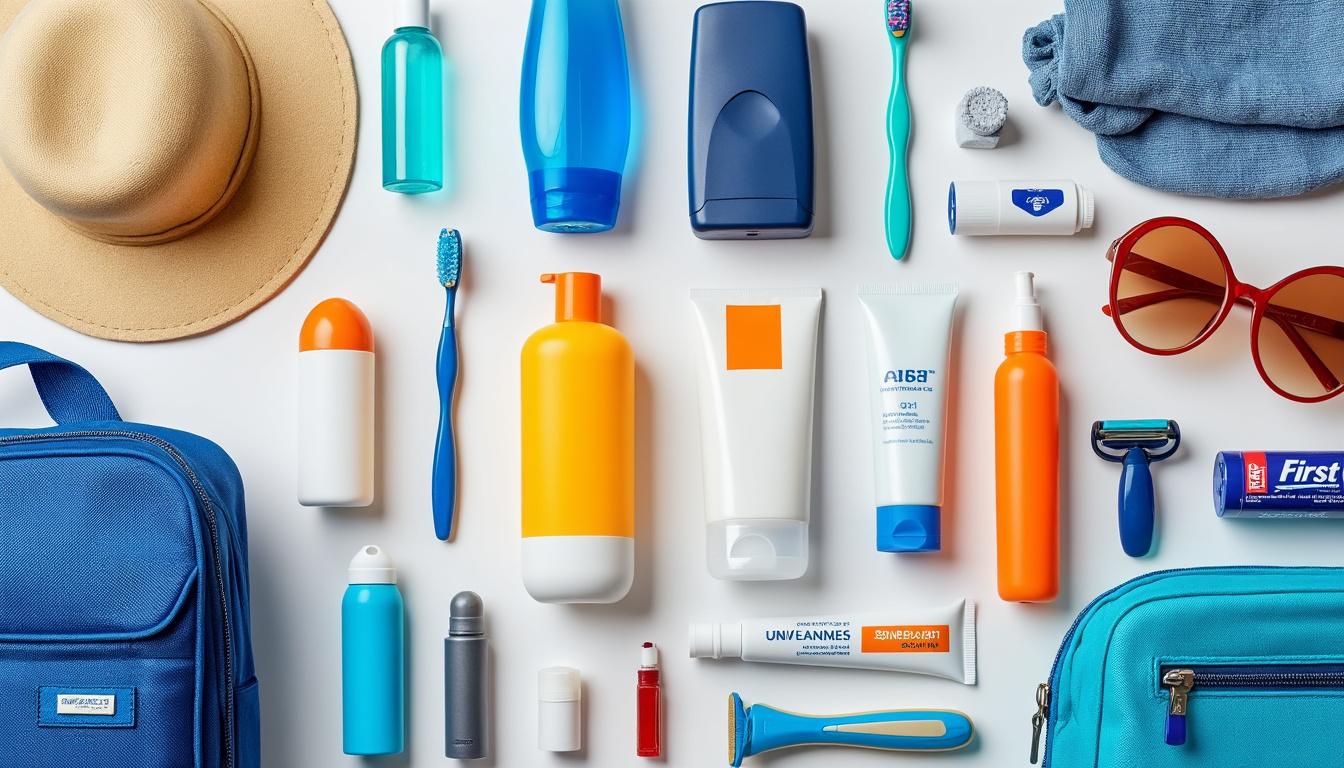
Essential Toiletries Checklist for Cruise Packing: What Every Traveler Should Bring
Packing for a cruise requires a refined balance between convenience and preparedness. The modern voyager seeks a compact, effective travel kit that covers daily routines and unexpected moments at sea. A well-organized set of toiletries ensures comfort, preserves personal care standards, and prevents last-minute scrambles on embarkation day.
Consider a fictional traveler, Lena, who organizes trips for a small adventure company called Horizon Voyages. Lena plans Mediterranean itineraries and treats each packing list as an operational blueprint. For her, the core purpose of a cruise packing list is reliability: items must be usable in cramped ship bathrooms and effective under changing climates. This section outlines those essentials with practical explanations and examples.
Core Bathroom Items and Why They Matter
Start with the basics: toothbrush, toothpaste, dental floss, shampoo, conditioner, soap or body wash, deodorant, razor, and feminine hygiene products. Each of these items addresses daily hygiene needs and prevents reliance on ship or port purchases, which can be more expensive and less suited to specific sensitivities.
For example, sensitive-skin travelers benefit from bringing a fragrance-free body wash and a hypoallergenic sunscreen. A family with young children should pack child-friendly toothpaste and gentle shampoo. The goal is to minimize surprises and avoid interruptions to the itinerary because of a missing bathroom items.
Medications and Specialized Personal Care
Prescription medications must always be carried in original containers, accompanied by copies of prescriptions. Seasickness remedies — patches, tablets, or acupressure bands — are must-have items for passengers prone to motion sensitivity. Additionally, bring a small first-aid kit that includes bandages, antiseptic wipes, antihistamine tablets, and pain relievers tailored to the group’s needs.
Practical example: On a spring Mediterranean itinerary, a passenger without antihistamines missed a cliff-top olive grove walk due to an allergic reaction. That lesson underscores the importance of packing a compact, well-curated medical section in the travel kit.
Extras That Make Life Easier Aboard
Small conveniences have outsized impact on vacation quality. A compact facial cleanser, moisturizing cream, hand sanitizer, and a mini laundry soap bar can keep clothing fresh and skin comfortable. A lightweight, quick-dry towel and a collapsible toiletry bag with separate compartments help keep the cabin bathroom tidy.
For those aiming to fine-tune their packing, resources such as essential Mediterranean cruise guides provide destination-specific tips that complement a universal toiletries checklist. Travelers looking to streamline carry-on items should consult targeted advice like carry-on packing strategies to reduce clutter while preserving essentials.
To summarize this section: invest in a compact array of functional toiletries that covers daily hygiene, medical needs, and small conveniences that maintain comfort and wellbeing at sea. This approach reduces friction during embarkation and keeps the trip focused on discovery rather than logistics. Keep this core checklist ready as the foundation for more specialized sections on skincare, oral care, and smart packing that follow.
Toiletries to Keep in Your Carry-On Travel Kit for Cruise Embarkation and Delays
When boarding a ship, luggage sometimes arrives later than passengers. For that reason, a strategic travel kit in carry-on luggage is essential. This section explains which essentials should remain accessible, how to organize them, and the consequences of poor planning, as illustrated by Lena’s travel team preparing passengers for a multi-day voyage.
Which Items Belong in Carry-On and Why
Carry-on toiletries serve immediate needs: a toothbrush and toothpaste for freshening up after travel, seasickness remedies for the first night on open water, basic medications, and a change of undergarments. In addition, keep a travel-size sunscreen and moisturizer close at hand for unpredictable weather during embarkation or shore excursions.
Liquid restrictions must be observed: containers should be travel-size and packed in a clear plastic pouch. Although cruise lines are more lenient than airlines with onboard liquids, transit through airports still enforces the 100ml rule. Investing in durable, refillable 100ml bottles is both eco-friendly and compliant.
Practical Carry-On Organization
Use a transparent pouch or a compartmentalized toiletry bag to allow quick inspections and easy access. Color-code compartments for medication, dental items, and cosmetics, which speeds up morning routines in small cabins. A small collapsible water bottle also makes transitioning from the airport to ship more comfortable.
Case scenario: A family of four once experienced delayed checked luggage on embarkation day. The parents had packed a complete carry-on kit including spare swimwear and sunscreens, enabling the family to enjoy the ship pool immediately. Their experience demonstrates the value of thoughtful packing so that the first hours on board remain enjoyable.
Table: Recommended Carry-On Toiletries vs. Checked Luggage Items
| Carry-On (Immediate Use) | Checked Luggage (Bulk/Extras) |
|---|---|
| Toothbrush and toothpaste | Extra toothbrushes, electric toothbrush charger |
| Seasickness medication | Full supply of prescription meds |
| Travel-size sunscreen (100ml) | Large sunscreen bottles and after-sun gel |
| One change of clothes and underwear | Seasonal clothing and bulky toiletries |
| Mini first-aid items | Comprehensive first-aid kit |
For passengers who want to minimize carry-on weight while preserving essential comfort, tips at travel light carry-on tips are invaluable. They offer strategies suited to different trip lengths and cabin types.
In practice, the carry-on travel kit is a mini-safety net: it keeps the first 24–48 hours of the cruise worry-free. Prioritize items that would inhibit participation in key moments if absent, and maintain clear organization so the kit functions under the stress of travel. This habit guarantees readiness during embarkation and any unexpected delays.
Skincare and Sun Protection Essentials for a Cruise: Preventing Sunburn and Maintaining Glow
Sun exposure at sea can be intense. Reflections from water magnify UV impact, so preventive skincare becomes a top must-have. This section explores sunscreen types, after-sun care, facial routines, and product selection tailored to typical cruise climates, illustrated by a case study of Lena helping a group avoid sun-related setbacks along the Mediterranean coast.
Choosing the Right Sunscreen and Application Strategy
Sunscreen should be broad-spectrum with SPF 30 or higher. For extended outdoor days — deck time, excursions, or beach stops — SPF 50 may be more appropriate. Water-resistant formulas are useful for swimming or high-humidity climates; however, reapplication every two hours is critical, especially after towel drying or excessive sweating.
Sun protection should include a lip balm with SPF, a lightweight protective hat, and UV-protective clothing for prolonged exposures. Facial sunscreens formulated for oily or acne-prone skin help prevent breakouts while providing adequate protection. Those with sensitive skin should opt for mineral-based formulations containing zinc oxide or titanium dioxide.
After-Sun and Nighttime Skincare
After-sun care is as important as prevention. Aloe vera gel, moisturizing lotions with hyaluronic acid, and gentle exfoliants help soothe and repair skin. Nighttime routines should include a mild cleanser to remove sunscreen residues, followed by a lightweight serum or moisturizer to support skin recovery.
Example: On a late-summer cruise, a passenger who skipped after-sun hydration developed discomfort and missed an evening shore excursion. The group learned to always carry a small tube of after-sun gel in their travel kit to avoid such interruptions.
Selecting Compact Skincare Products for Packing
Choose concentrated formulations and multi-use products to save space: tinted moisturizers with SPF combine hydration and protection, while cleansing balms remove sunscreen without stripping skin moisture. Portable sets sold specifically as cruise-friendly can be a smart investment, and refillable 30–100ml containers reduce waste and conform to travel rules.
For destination-specific advice, consult targeted resources such as essential items to pack for a Mediterranean cruise. Such guides tie climate patterns and regional excursions to skincare choices, helping travelers adapt product selection to likely conditions.
Sun protection and thoughtful skincare are prevention-first strategies that preserve comfort and participation. Prepare a layered approach — sunscreen, clothing, shade, and aftercare — and include each element in the main packing kit to keep skin healthy through long days on the water. This method ensures uninterrupted enjoyment of the itinerary and the destinations visited.
Oral Hygiene, Hair Care and Other Bathroom Items That Make a Cruise Better
Small rituals — brushing teeth, styling hair, or freshening up before dinner — shape the cruise experience. This section covers bathroom items that maintain dignity and enjoyment, from oral hygiene staples to hair-care tools and grooming necessities. Lena’s approach for Horizon Voyages is to list pragmatic items that fit within compact luggage and the spatial limits of cruise staterooms.
Oral Care That Keeps Smiles Bright
Oral hygiene on a cruise should be more than basic. Pack a soft-bristled toothbrush, toothpaste with fluoride, floss, and a compact interdental brush for stubborn spaces. Travel-sized mouthwash can be useful after meals when brushing isn’t possible. For those who rely on electric toothbrushes, include a compact charger or check whether the cabin power supply matches the device.
Example: A couple attending a formal dinner discovered that a missing mouthwash led to self-consciousness about strong garlic-based tasting menus. Having a compact oral-care set eliminated the issue and preserved the evening’s enjoyment.
Hair Care Tips for Damp, Humid, and Windy Conditions
Hair products must accommodate changing climates and water exposure. Pack a sulfate-free shampoo and conditioner for color-treated hair, a lightweight styling cream for humidity, and travel-sized dry shampoo for quick refreshes between washings. A compact detangling brush and travel hairdryer with dual voltage are savvy additions for multi-country itineraries.
For travelers who use specific styling tools, verify cabin outlet specifications and consider timeshare approaches — share a small styling kit among family members to reduce bulk. Travel-sized containers for gel or mousse can be filled from full-size bottles at home before departure.
Additional Bathroom Items and Storage Ideas
Include disposable razors or a travel razor with a protective cap, small travel shaving cream, nail clippers, tweezers, and a compact sewing kit for wardrobe quick fixes. Women’s menstrual products should be plentiful and discreetly stored. A suction-cup hook or hanging toiletry organizer helps compensate for limited counter space in cruise bathrooms.
- Compact toiletries pouch with compartments for oral care, hair care, and grooming tools.
- Refillable travel bottles for shampoo and conditioner to reduce plastic waste and weight.
- Small mirror with a stand for makeup and grooming in tight cabins.
- Portable laundry soap and a sink stopper for quick clothing washes.
Maintaining good oral hygiene and hair care routines contributes directly to social confidence in shared spaces. Thoughtful selection of compact, multi-use products reduces the volume of luggage while ensuring passengers are prepared for formal nights, shore excursions, and candid photo opportunities. The final insight: choose items that fit the itinerary’s structure and the traveler’s personal grooming standards to sustain comfort and confidence throughout the voyage.
Smart Packing Strategies for Cruise Toiletries: Save Money, Space and Reduce Waste
Smart packing is an art grounded in foresight and small investments. This section presents strategies to avoid overpacking, save money on toiletries, and adopt sustainable habits that improve both the travel experience and the planet. Lena’s company often advises passengers on which items to leave at home and which belong in a compact cruise travel kit.
What to Leave Behind and Where to Save
Cruise cabins often supply basic shampoo, conditioner, and soap. When staying on board for longer voyages, consider leaving bulky bottles at home and relying on provided amenities for refill. However, do not assume ship products suit every skin type. If the traveler requires a specific hypoallergenic product, that item becomes a must-have.
To avoid unnecessary purchases, consult advice like ways to save money on travel toiletries and lists of items commonly available onboard. Packing minimal duplicates and using travel-size refillable bottles reduces weight and cost, and aligns with eco-conscious travel trends in 2026.
Eco-Friendly and Cost-Saving Habits
Refillable containers and solid bars (shampoo and conditioner bars, soap bars) reduce plastic waste and are efficient to pack. Solid toiletries are less likely to spill and are accepted by all travel checkpoints. For families, sharing a common set of travel toiletries reduces duplication. In addition, buying multi-use products (like a combined sunscreen-and-matte moisturizer) saves luggage space and simplifies morning routines.
For travelers aiming to travel light, resources such as travel light carry-on tips and destination-focused lists like essential items to pack for a Mediterranean cruise offer concrete checklists and sample packing configurations.
Packing Systems and Final Recommendations
Adopt modular packing systems: one small bag for daily personal care, one sealed pouch for liquids, and one compact medical pouch. Label items clearly and keep the medical pouch in carry-on. For groups traveling together, designate a small communal kit for shared items like sunscreen and after-sun gel to minimize duplicates.
Lastly, consider local procurement: some items are cheaper or locally crafted at ports of call and make thoughtful souvenirs, but essentials should never be purchased in a hurry at the port. A balanced approach reduces expenses and ensures preparedness for every scheduled excursion.
Adopting these strategies makes the packing process both pragmatic and mindful: travelers depart with fewer worries, lighter bags, and a higher capacity for spontaneous adventure. This final insight encourages intentional packing—choose multifunctional items, reduce redundancy, and pack with purpose to make the cruise experience seamless and enjoyable.