

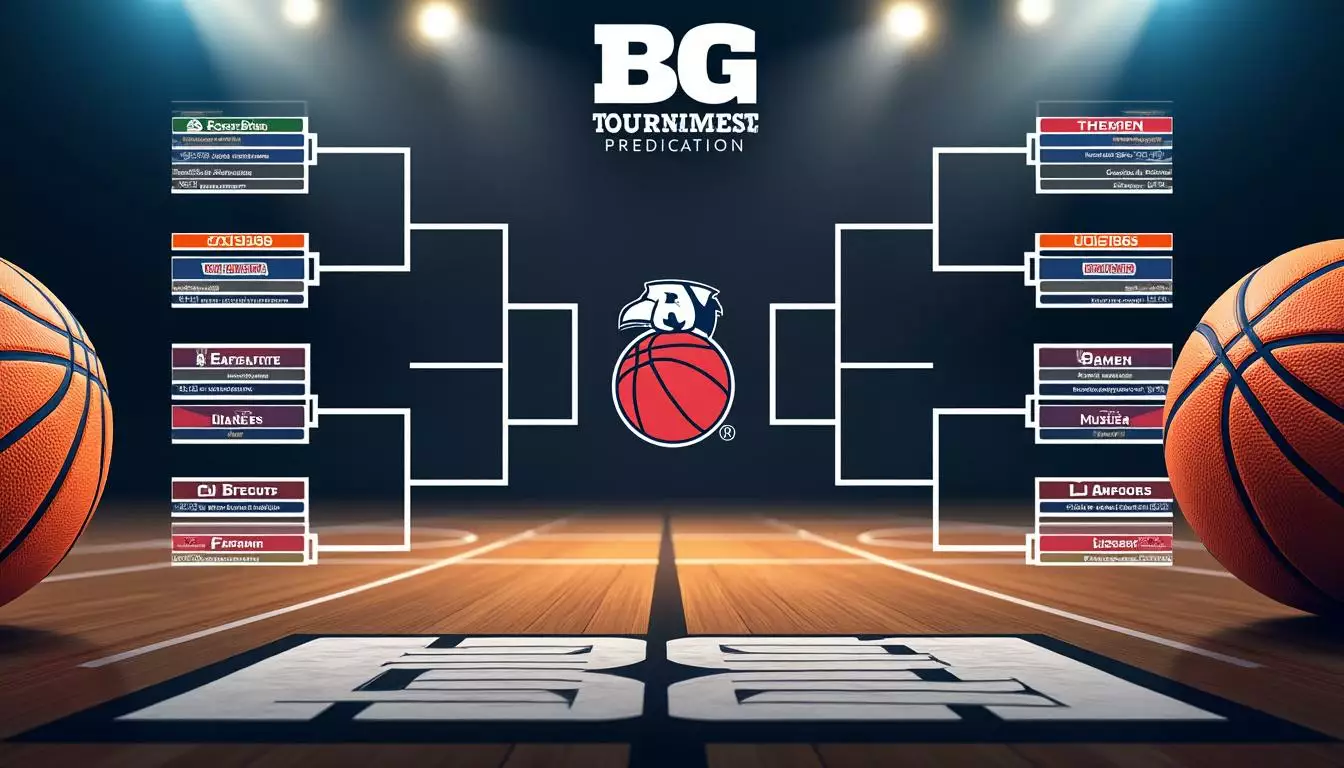
Projected Big Ten Tournament Bracket as of March 7: Full Field and Seeding Analysis
The latest snapshot of the Big Ten Basketball Tournament on March 7 offers a clear structure for how the week in Indianapolis could unfold. With the regular season winding to a close, the bracket projection below synthesizes current standings, momentum, and matchup advantages. This section presents the bracket in a compact format, then expands on the seeding logic and the implications for NCAA hopes and March Madness positioning.
A straightforward table helps visualize the projected layout. It maps seeds to the announced matchups and clarifies which teams need wins to secure a double-bye or salvage an at-large resume.
| Round | Matchup |
|---|---|
| First Round | No. 18 Penn State vs. No. 15 Northwestern ; No. 17 Maryland vs. No. 16 Oregon |
| Second Round | No. 9 Iowa vs. Oregon/Maryland winner ; No. 10 Indiana vs. Penn State/Northwestern winner ; No. 11 Washington vs. No. 14 Rutgers ; No. 12 USC vs. No. 13 Minnesota |
| Third Round | No. 8 Ohio State vs. Iowa/Oregon/Maryland ; No. 5 Purdue vs. USC/Minnesota ; No. 7 UCLA vs. Indiana/Penn State/Northwestern ; No. 6 Wisconsin vs. Washington/Rutgers |
| Quarterfinals | No. 1 Michigan vs. Ohio State/Iowa/Oregon/Maryland ; No. 4 Illinois vs. Purdue/USC/Minnesota ; No. 2 Michigan State vs. UCLA/Indiana/Penn State/Northwestern ; No. 3 Nebraska vs. Wisconsin/Washington/Rutgers |
| Semifinals / Final | Semifinal winners meet; championship slated for Sunday, March 15, feeding directly into Selection Sunday and the NCAA bracket reveal. |
Several threads run through this projected bracket. The most immediate is the advantage of a double-bye for the top four seeds, which in this projection are Michigan, Michigan State, Nebraska, and Illinois. That structural edge is crucial in a compact tournament: fewer games mean fresher legs and reduced injury risk heading into the conference semifinals and beyond.
Seeding assumptions hinge on regular-season outcomes, notably Michigan’s runaway title, clinched by a three-game margin. That secured top billing, and it shifts the strategic focus of several matchups. For mid-table teams such as Wisconsin and UCLA, the window to earn résumé-boosting wins is narrow but present, and the bracket shows clear paths both to the quarterfinals and to potential marquee victories.
Seeding Logic and Upset Potential
The first-round pairings set up immediate knockout drama between squads that have had wildly different seasons. The Penn State vs. Northwestern toss-up and the Maryland vs. Oregon game give bubble teams and underdogs a chance to change narratives in a single night.
Why do upsets matter here? A lower-seeded team that strings together two wins can suddenly displace an NCAA bid or knock a bubble team off course. For bracketologists and selection committees alike, conference tournaments can supply the snapshots that tip debates on at-large bids.
As a final note in this section, the bracket projection on March 7 establishes likely matchups but remains sensitive to last-minute injuries, lineup changes, and the intensity of the final regular-season weekend. The projection is a guide, not a guarantee, and its value lies in clarifying paths and risks for each program. This makes the projected bracket an essential map for fans and Sports Analysis leading into March.
Key insight: The projected bracket rewards regular-season consistency with byes, but the single-elimination format keeps upside for lower seeds to reshape the NCAA conversation quickly.
Key Matchups to Watch and Tactical Narratives Heading into the Tournament
Several matchups in this bracket projection read like chess puzzles: small moves that alter positional strength for later rounds. The weekend slate preceding the tournament—highlighting games such as Wisconsin at Purdue and No. 8 Michigan State at No. 3 Michigan—sets narratives that could carry into Indianapolis.
First, the showdown between Michigan and Michigan State has layered meaning: it is both a regular-season finale and a strategic preview of a possible late-tournament encounter. Michigan’s regular-season dominance means the Wolverines will enter the bracket with favored status, but rivalries compress outcomes into emotionally charged contests where tactics and momentum can override seed labels.
Matchup Breakdown: Michigan vs. Michigan State
Michigan’s balance of offensive efficiency and defensive discipline explains the three-game gap atop the standings. Against Michigan State, which plays with length and scrambling defense, the tactical duel will revolve around pace control and half-court execution. Will the Spartans push tempo in transition to negate Michigan’s set-play advantages?
In the event of a tournament meeting, coaches must plan for adjustments across two dimensions: rotational depth and foul exposure. Games within the conference often feature refereeing patterns that affect how aggressively teams attack the rim. These subtleties can determine who advances to the semifinal rounds.
Other Compelling Battles
The Wisconsin vs. Purdue matchup matters for seeding permutations and perception. A win for Wisconsin could secure a clear path to a meaningful third-round game, whereas Purdue’s home-court late-season surge could be the momentum builder needed to upset higher seeds.
Mid-table matchups—such as Indiana at Ohio State—carry bubble-layer consequences. Indiana’s offensive flashes and Ohio State’s interior defense create a conflict of styles that often determines which team will move forward in tight tournament brackets.
Finally, look for games where single players can tilt outcomes. Tournament settings magnify the impact of a hot shooting night or a defensive lockdown performance. Players who can deliver in clutch moments will become the focus of conference and national conversation, feeding directly into March Madness storylines.
Key insight: Tactical nuance—rotations, foul management, and tempo—will decide high-leverage Big Ten matchups more often than raw talent alone.
Analysts and fans can consult highlight reels to see how coaching adjustments played out in the regular season and extrapolate which strategies might succeed in a tournament setting.
Bubble Watch, NCAA Implications, and How the Big Ten Shapes March Madness Narratives
The Big Ten’s depth often produces a multi-team presence in the NCAA bracket, and this cycle is no different. Projections discussed on March 7 show the conference pushing towards a high bid count, with particular attention on borderline teams whose tournament runs could redefine their Season resumes.
Selection committees weigh conference tournament performance heavily, especially when teams face comparable résumés. A strong showing in Indianapolis can vault a squad from the First Four chatter into a comfortable at-large spot.
Who’s On The Edge?
Teams like Indiana hover near the cut line in many bracket projections. If the Big Ten earns a high number of bids, programs with signature wins and late-season form—rather than a single marquee victory—stand to benefit. The conversation around the Big Ten’s bid total is part projection, part narrative: some analysts forecast up to double-digit bids, while others argue for a tighter field.
Bracket projections carry consequences for how national brackets are constructed. For example, if Wisconsin secures a double-bye and advances to the later rounds, the Badgers could appear on the periphery of several regional mock-ups, impacting seed balance and potential first-round crossovers.
March Madness and Conference Identity
March Madness thrives on unpredictable conference tournaments. The Big Ten, with a dense schedule and physical play, typically offers a distinct identity to the national field. Committee members take that identity into account when seeding teams, and a strong Big Ten showing can tilt regional placements and create intriguing matchups weeks later.
From a historical lens, strong conference tournaments have produced Cinderella runs in the NCAA Tournament. A Big Ten team that peaks in Indianapolis can carry that momentum into March, becoming a national storyline and a draw for fans tracking the bracket matrix.
Key insight: Performance during the Big Ten Tournament can shift national seeding narratives, turning mid-tier conference teams into genuine March Madness contenders.
Coaching Adjustments, Player Matchups, and Tactical Predictions for the Tournament Stage
Coaches refine gameplans for tournaments in ways that regular-season play does not always require. The compressed schedule forces a focus on sustainable rotations, rapid scouting, and in-game adaptability. This section outlines how coaching choices and player matchups are likely to shape outcomes in the Big Ten bracket as projected on March 7.
One recurring theme is managing minutes and fouls. Teams comfortable with deeper rotations—able to rely on bench contributions without a drop-off in defensive intensity—will navigate the tournament more effectively. Conversely, teams that lean heavily on star performers risk fatigue and foul trouble in successive games.
Specific Tactical Areas
Pick-and-roll defense, transition containment, and rebounding margins will be decisive. For instance, teams facing Purdue or Wisconsin must plan for inside presence; those going up against Iowa or Indiana should prioritize perimeter pressure and close-out discipline. Coaches who can craft matchup-specific sets will extract the most value from their rosters.
Another important area is timeout management. In tournament play, where momentum swings can be sudden, the ability to stop a run, regroup, and reinsert tactical changes is magnified. A coach who times adjustments well can flip a half and alter game trajectory within minutes.
Player Matchups to Monitor
Watch for wing-versus-wing duels where three-point shooting and on-ball defense collide. A hot-shooting guard on an underdog team can force a higher seed into uncomfortable territory. Additionally, interior battles between veteran bigs and younger forwards will determine rebounding and second-chance opportunities.
Teams that combine perimeter depth with interior toughness tend to advance further. For predictive purposes, the tournament favors disciplined defenses and teams that limit turnovers under pressure.
Key insight: Coaching adaptability across rotations and matchup-specific strategies will decide tight games in this Big Ten Tournament projection, more than any single breakout performance.
Travel-Forward Fan Guide, Bracket Strategy, and Practical Tips for Tournament Week
For a traveling fan or a bracket enthusiast planning to follow the action, practical logistics and strategic viewing habits both matter. This section combines travel smarts with bracket strategy, using a fictional traveling analyst named Alex Rivera as a guiding thread to humanize the experience and illustrate real-world decisions fans and bettors might face during the Big Ten Tournament week.
Alex begins planning by prioritizing schedule windows. With quarterfinals and semifinals compressed into a short span, identifying must-see games ahead of time helps allocate travel and lodging budgets. Choosing a central hotel near the venue reduces transit time and preserves energy for late games.
Travel Tips and Bracket Strategy
- Book refundable accommodations to remain flexible if a preferred team is eliminated early.
- Prioritize early-round game tickets to watch potential upsets; these games often produce more bracket-moving drama.
- Pack for rapid weather changes and post-game celebrations; comfort boosts the fan experience across multiple nights.
- Study coaches’ rotational tendencies so bracket decisions reflect likelihood of foul trouble or bench depth impacts.
- Use live analytics during the tournament to update predictions—momentum and injuries reshape probabilities quickly.
Each item has real payoff: refundable bookings protect against weekend volatility, while knowing a coach’s rotation depth improves the accuracy of in-game betting or friendly bracket wagers. For fans traveling from afar, these adjustments make the difference between a stressful trip and an inspired weekend.
Finally, bracket strategy on the fly requires humility and adaptability. Allow contingency plans for unexpected upsets and lean on reliable metrics—such as effective field goal percentage and turnover rate—when fine-tuning predictions. Following the projected bracket from March 7 gives a baseline, but the most successful fans and analysts are those who update models as new information arrives.
Key insight: Combining travel pragmatism with dynamic bracket adjustment yields the best fan outcomes and more accurate predictions during tournament week.