

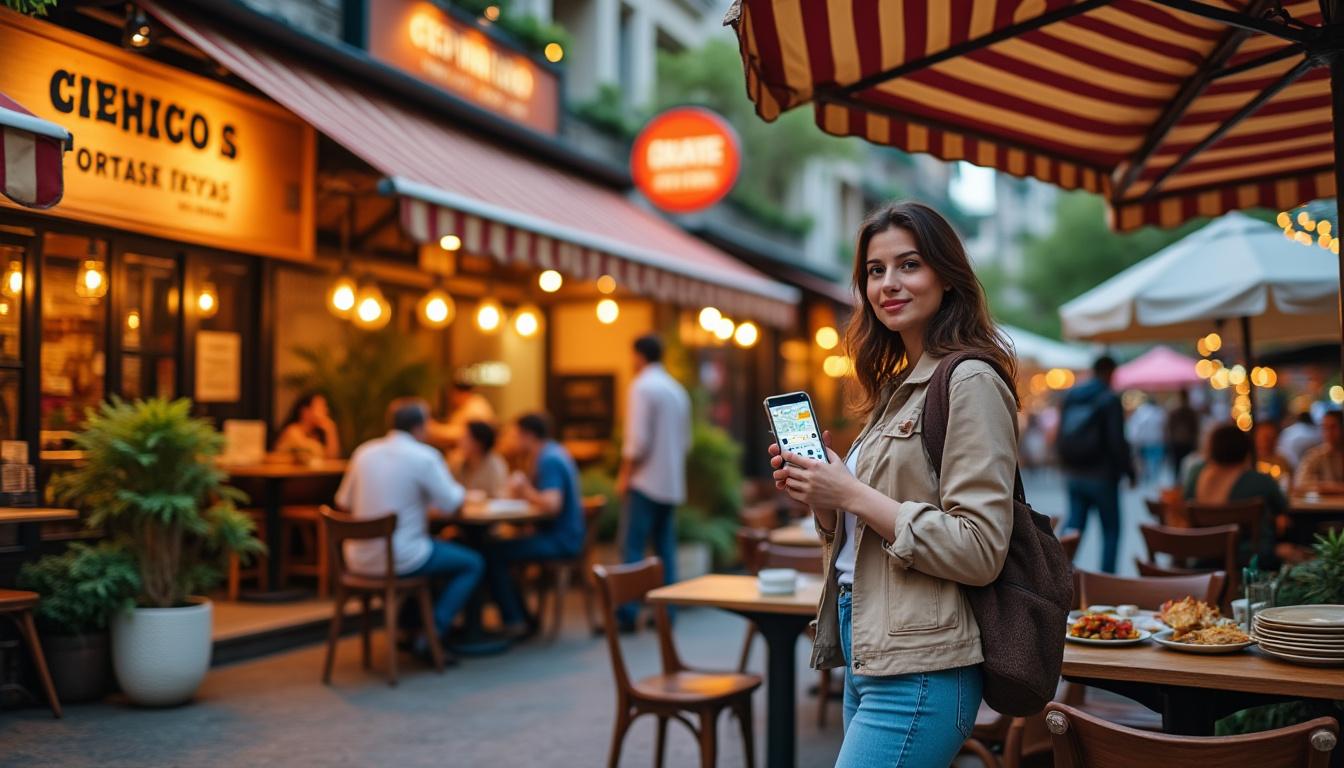
Assessing Neighborhoods and Local Cuisine for Travel Dining Success
Choosing where to eat begins long before the menu is opened. A reliable approach to picking restaurant options while traveling is to first evaluate the neighborhood and the surrounding food culture. This method reduces the chance of landing in a tourist trap and increases the odds of an authentic dining experience.
Consider a traveler named Sofia who arrives in a mid-sized coastal city with a single afternoon to explore. Instead of relying on a single review, Sofia maps out markets, small side streets, and local bakeries. That initial reconnaissance becomes a powerful filter in the broader restaurant selection strategy.
Why neighborhood context matters
The local rhythm of streets, the presence of markets, and the type of foot traffic are practical signals. A neighborhood with family-run shops and clusters of small eateries often signals a strong local food tradition. Conversely, streets lined with souvenir stores and chain restaurants typically indicate a higher likelihood of tourist-focused menus.
These observations form the basis of smart strategies for travel dining, guiding choices toward places where local cuisine is crafted with pride rather than optimized for passing visitors.
Practical neighborhood checklist
- Look for places with customers who appear to be locals rather than fellow travelers.
- Check whether menus change with seasons; rotating dishes often indicate fresh, locally-sourced ingredients.
- Scan storefront signs for awards, press clippings, or local food festival mentions.
| Signal | Meaning | Action |
|---|---|---|
| Local regulars | High likelihood of authentic menu | Prioritize for food recommendations |
| Tourist-heavy storefronts | Menus may be watered down | Investigate alternatives down the block |
| Open kitchen visible | Transparency and freshness | Consider as strong candidate |
Examples and cultural context
When exploring European cities, small piazzas and alleyways often hide beloved family restaurants where recipes span generations. For instance, a traveler using a guide about Venetian specialties might align neighborhood signals with recommended dishes to ensure a memorable meal — a practical intersection of local knowledge and observation.
Similarly, in locations where street food is a major part of the culinary landscape, the presence of long lines at a stall is often a better indicator than scores on apps. It suggests a direct connection between the food and local tastes.
Actionable mini-plan
- Walk three blocks away from major tourist hubs for better odds at authentic food.
- Spend 10 minutes observing where locals congregate at mealtime.
- Use neighborhood signals to shortlist three restaurants before consulting reviews.
By merging environmental cues with a short observational routine, travelers build a resilient framework for travel dining that elevates the probability of finding the perfect restaurant in unfamiliar places. This neighborhood-first tactic sets up the next step: validating choices with reviews and local voices.
Leveraging Reviews, Apps, and Restaurant Reviews to Guide Choices
Once neighborhood scouting has produced a shortlist, it is time to validate those picks using digital resources. Combining human observation with curated restaurant reviews and modern apps creates a balanced system of checks and balances for restaurant selection.
Consider the case study of a hypothetical duo of food-savvy travelers who cross-reference a shortlist with platform-based reviews, then prioritize recent posts and images. This step helps to filter out businesses that may have changed ownership or quality since older reviews were posted.
Which review signals to trust
Not all reviews are equally useful. The most reliable signals include reviews that:
- Provide photos of the actual dishes and interior.
- Mention specific menu items by name and describe texture, seasoning, and portion size.
- Are recent and consistent across several platforms.
These criteria reduce the influence of outliers and offer a clearer picture of the current dining reality, essential for informed picking restaurant decisions.
| Resource | Best Use | Limitations |
|---|---|---|
| Local food blogs | Deep context and curated picks | May highlight premium options |
| Global review apps | High volume of recent opinions | Noise from tourist reviews |
| Social media posts | Real-time photos and stories | Short commentary, less depth |
How to synthesize multiple sources
First, read the latest five reviews across two different platforms. Next, compare dish photos and check if the most praised item is available at the time of visit. Lastly, weigh professional recommendations from reputable culinary guides against grassroots recommendations from local-focused outlets.
For a deeper dive on how gourmet classification affects expectations, consult perspectives that discuss what makes food genuinely gourmet and why it matters in a travel context. This material can recalibrate expectations when scouting for the perfect restaurant.
- Cross-check three platforms for consistency.
- Prefer photo-backed reviews over star-only ratings.
- Look for recent mentions of menu changes or chef rotations.
Combining digital judgement with prior neighborhood scouting produces a robust selection approach. That fusion of methods helps travelers move from shortlist to confident reservation — and prepares the traveler for budget and dietary decisions that often determine the final choice.
Balancing Budget Constraints and Dietary Needs with Food Recommendations
Travel dining decisions frequently hinge on budget and dietary needs. A smart plan balances cost, authenticity, and health requirements without sacrificing the dining experience. In 2025, more tools exist that help reconcile these demands, but pragmatic on-the-ground judgment remains key.
Imagine a small group following a budget-hack plan across European cities, prioritizing one splurge meal and several modest local eateries. That strategy preserves the joy of discovery while keeping finances in check.
Practical budgeting tactics
Budget-conscious travelers benefit from a few proven approaches. First, allocate one meal slot per day for a higher-end local specialty. Second, seek out markets and street vendors for fresh, affordable options. Third, split larger or pricey dishes among companions to sample more without overspending.
- Reserve one splurge per day for an unforgettable dish.
- Use markets for lunch and cafes for breakfast to manage costs.
- Order family-style or share plates to maximize variety.
| Budget Level | Recommended Dining Mix | Example |
|---|---|---|
| Frugal | Markets, street food, local bakeries | Street tacos, seafood stalls |
| Balanced | Casual restaurants + one mid-range special | Family-run trattoria with a seafood splurge |
| Generous | Specialty restaurants, tasting menus | Chef-driven local tasting experience |
Managing dietary restrictions
Dietary needs require clear communication. Travelers should prepare short, translated notes describing allergies or restrictions in the local language. Additionally, scanning menus online in advance helps identify safe choices and avoids frustration upon arrival.
Local cuisine can often be adapted. For example, many Mediterranean restaurants are accommodating with vegetarian options due to the region’s emphasis on vegetables and legumes. In coastal locales, seafood selection may offer naturally lighter choices for those avoiding red meat.
- Create a simple translation card for allergies and dietary limitations.
- Contact restaurants ahead of time for confirmation when necessary.
- Opt for dishes that are inherently aligned with dietary preferences.
Pairing budget-aware habits with thoughtful dietary planning turns constraints into opportunities for discovery. Travelers can enjoy both the practicality of cost control and the pleasure of authentic food recommendations.
Timing, Reservations, and Maximizing the Dining Experience
Timing often determines whether a restaurant visit becomes a highlight or a disappointment. Smart timing, combined with strategic reservations and local insights, elevates the overall dining experience and helps secure the perfect restaurant for any occasion.
Take the fictional company trip of a small design studio. The group aims to balance sightseeing with meals. Their planner reserves a celebrated local restaurant for an early dinner to avoid long waits and schedules smaller neighborhood cafés for spontaneous lunches. This coordinated timeline produces both structure and serendipity.
Reservation tactics and walk-in strategies
Booking ahead is essential for high-demand spots, especially during local festivals or on weekends. Conversely, arriving early for dinner at popular family-run places can yield better seats and a chance to talk with staff. These behaviors are part of a refined set of smart strategies for restaurant access.
- Reserve for peak evenings; walk-in for off-peak times.
- Ask for chef recommendations when seated to discover hidden menu gems.
- Consider midday dining to sample lunch-only specialties.
| Scenario | Timing Strategy | Outcome |
|---|---|---|
| Busy tourist city | Reserve 2-3 weeks in advance | Guaranteed seats, better menu choices |
| Small town | Call a day ahead or arrive early | Potentially meet the owner, enjoy specials |
| Street food scene | Follow local peak times and queues | High-quality, authentic bites |
Maximizing the dining experience also means embracing spontaneity. Leaving one unscheduled meal slot in the itinerary allows discovery of a recommended spot by a local or fellow traveler. This balance of planning and openness is a defining trait of effective travel tips for culinary exploration.
Local Etiquette, Hidden Gems, and Trusting Instincts in Restaurant Choice
Final selection often rests on nuanced social cues and etiquette. Understanding how locals dine, what times they eat, and how they show appreciation informs better choices. These cultural insights, paired with the traveler’s instincts, often reveal the truest local cuisine.
Follow the travels of a fictional planner named Tomas who seeks a memorable culinary evening. Tomas learns local tipping customs, table manners, and how to ask for off-menu items through a brief conversation with a chef. Those small social exchanges transform a meal into a cultural moment rather than just sustenance.
Etiquette and subtle signals
Simple gestures matter. In some places, a quiet appreciation goes further than loud praise. In others, joining communal tables is a sign of warmth. Recognizing these cues improves the dining experience and can open doors to chef recommendations and family recipes.
- Observe how locals greet staff and mimic respectful behaviors.
- Ask discreet questions about spice level to match palate preferences.
- Express thanks and curiosity to learn about ingredients and techniques.
| Signal | Interpretation | Tip |
|---|---|---|
| Communal seating | Invites conversation and shared plates | Engage politely, ask about favorites |
| Quiet dining rooms | Focus on meal and conversation | Lower voice, avoid phone use |
| Chef interactions | Opportunity for unique dishes | Inquire respectfully about off-menu items |
Finding hidden gems and trusting instinct
Hidden gems often lack high review counts but show strong local patronage. Trusting instinct—after neighborhood scanning, review cross-checking, and budget alignment—often leads to the most memorable meals. For concrete inspiration on regional specialties and food cultures, resources exploring Jamaican cuisine or deep dives into Indian culinary traditions can recalibrate expectations and enrich the search for authenticity.
As a closing insight for this section, remember that the best table is often discovered where respect for culture meets an adventurous palate. That combination yields a dining memory that outlasts any single night.