

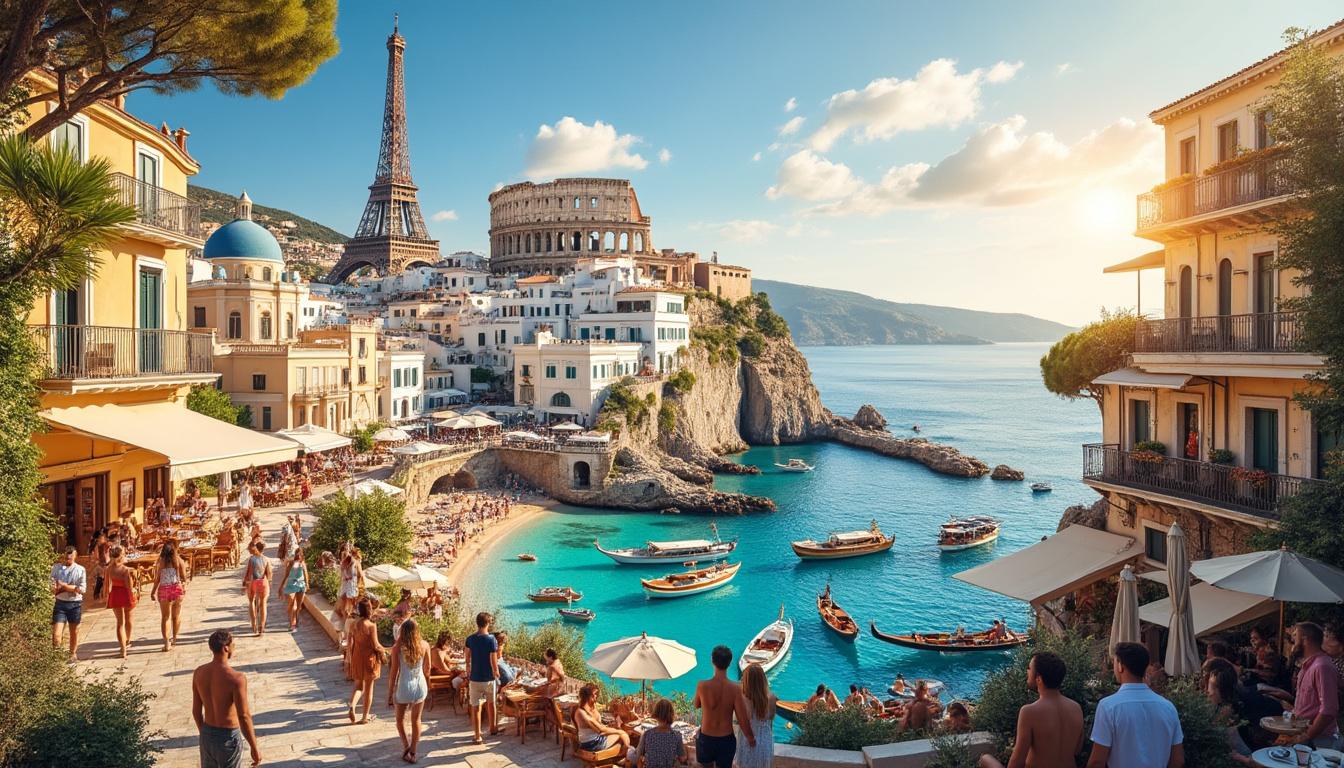
Best Airport Hacks and Routes for an Unforgettable Euro Summer
Seasonal travel to Europe demands smarter routing than simply booking the cheapest nonstop. Savvy travelers now prioritize flow through airports that reduce waiting time and give the advantage of clearing formalities early. One of the most powerful Insider Tips for a stress-free Euro Summer is to consider nontraditional hubs that intentionally simplify connections and customs procedures.
Take the example of a hypothetical traveler named Marco, a freelance photographer who times his shoots around Mediterranean light. Marco prefers to avoid the long passport queues and sprawling terminals that come with major continental gateways. By routing through a compact North Atlantic hub, the entire arrival process changes: customs and immigration are completed at the stopover, meaning the final European touchdown often feels like a domestic arrival.
How the Stopover Strategy Works and Why It Matters
When connections allow, clearing immigration on the first European entry point short-circuits the largest time sink on arrival days. Instead of joining long lines at busy Schengen airports, baggage retrieval and onward transfer become immediate. For travelers aiming for beaches in Nice or historic centers in Rome, that saved hour can mean an afternoon soak or an early dinner in a sunlit piazza rather than an airport lounge.
Another dimension is aircraft class and lounge access. For value-conscious travelers seeking comfort, premium economy or niche business class cabins offered by select carriers provide a better balance between price and amenities. These cabins frequently include lounge access, priority boarding and baggage handling—elements that matter greatly when summer schedules are tight.
Practical Examples and Booking Tactics
Booking platforms and fare alerts should be scanned for multi-city itineraries and stopover-friendly routings. Combining an Atlantic island connection with a short onward hop often yields better on-time performance and a quieter terminal experience. Additionally, flexible dates and midweek departures can shave hours off overall transit times.
For travelers like Marco, who must protect fragile equipment while maximizing daylight hours at the destination, these routing choices translate directly into productivity. Rather than spending the first evening recovering from transit stress, the itinerary preserves the crucial first day for shooting or exploration.
Quick Checklist for Optimized Routing
- Check for single-clearance entry options so arrival is treated as domestic at final leg.
- Prioritize compact airports that minimize walking and waiting time.
- Compare cabin classes for value-based upgrades that include lounge and priority benefits.
- Use flexible-date searches to find quieter travel days during peak months.
- Confirm baggage transfer rules with the airline when booking multi-carrier itineraries.
These practices act as tangible Insider Tips for anyone plotting a Summer Travel escape to Europe. The resulting time saved on arrival becomes immediate time invested in local discovery and enjoyment. This pragmatic routing approach ensures the first impression of any Europe Destination is one of ease and possibility.
Top Destinations and Hidden Gems: A Travel Guide to France, Italy, and Spain
Summer in Europe remains synonymous with sunlit coasts, historic lanes and vibrant cultural festivals. A seasoned Travel Expert perspective separates the classic postcard spots from lesser-known treasures that offer equal charm with fewer crowds. This section maps clear choices across France, Italy and Spain while highlighting Hidden Gems for travelers seeking authentic cultural experiences.
In France, the Cote d’Azur continues to attract luxury travelers, but neighboring lesser-known towns provide intimacy and local flavor without sacrificing proximity to glamorous scenes. For instance, a small coastal village an hour from a famous seaside resort can offer seaside dining, quieter beaches and easier access to regional markets.
Italy: From Iconic Cities to Off-Path Coastal Towns
Italy’s summer magnetism is undeniable—historic cities like Rome and Florence, and coastal treasures like the Amalfi Coast and Cinque Terre. Yet, small coastal towns with family-run osterias and hidden coves offer a deeper connection to local life. Marco’s route often includes late afternoons exploring village markets, tasting local limoncello, and catching golden-hour light from town overlooks.
Travelers aiming to balance iconic sights with peaceful retreats should consider multi-city itineraries that pair a major city with a smaller coastal base. This approach reduces hotel switching stress and increases immersion in regional culture.
Spain: Balancing Beach Parties and Quiet Traditions
Spain’s variety ranges from energetic beach scenes to serene inland villages where centuries-old festivals are still observed. The dynamic traveler can enjoy both: daytime beaches and evening cultural experiences in ancient squares. For those seeking a festival calendar, researching local fiestas can reveal truly unique Cultural Experiences that don’t appear on mainstream itineraries.
Beyond the staples, each country hosts lesser-known alternatives—small islands, vineyard-covered hills, and mountain villages—that stay cooler and retain character even during peak months. These spots often reward those willing to rent a vehicle for the last leg or to take a short regional ferry run.
How to Choose Between Top Destinations and Hidden Gems
Decision criteria include travel priorities, pace, and the type of cultural engagement desired. For travelers valuing relaxation and local rhythm, smaller towns and family-run accommodations are superior. Those prioritizing museums and nightlife might prefer central bases in major cities while scheduling day trips to quieter locales.
Smart linking to trusted resources can sharpen this planning: consult curated advice on selecting local eateries and regional must-sees, like articles that detail how to choose restaurants and plan small escapes. For deeper tactical planning, a reliable source on European trip nuances helps balance well-known attractions with offbeat discoveries.
Ultimately, matching itinerary shape to travel temperament creates the most rewarding Vacation Planning outcomes. The best trips balance headline sights with intimate local moments for a memorable Euro Summer. Insight: pair a high-energy hub with a nearby tranquil base for the best of both worlds.
Transportation Choices: Renting a Car Versus Public Transit on Euro Summer Trips
Debates about renting a car in Europe often hinge on convenience versus hassle. A pragmatic travel plan acknowledges both perspectives and chooses based on itinerary, comfort level and the scale of exploration. For many American travelers accustomed to driving freedom, renting a car transforms a packed itinerary into a relaxed voyage, especially in summer when timetables are stretched and trains are full.
Marco prefers having a vehicle for coastal road trips and mountain detours. Driving allows unscheduled stops at lookout points, small vineyards, and beach coves. Practical benefits include carrying photography gear safely and the flexibility to chase weather or light conditions without being hostage to rail timetables.
Addressing Common Concerns About Driving in Europe
Concerns about narrow roads and unfamiliar signage are often overblown. Except for the UK, most continental European countries use right-side driving, and modern highways are straightforward. Parking can be surprisingly affordable outside major city centers, and many smaller towns offer convenient per-day parking rates rather than hourly fees that sting in urban cores.
When renting, consider these practical steps: choose a compact but comfortable vehicle, verify insurance coverage for cross-border travel, and book parking ahead for major tourist nights. If driving in historic centers is undesirable, combine car use with short segments of public transportation or local taxis for first-mile/last-mile convenience.
Alternatives: Chauffeur Services and Trains for Mixed Plans
For travelers seeking comfort without the stress of driving, private car services offer door-to-door ease. These services can be booked for single transfers or multiple days, blending the convenience of a private vehicle with the relief of no local navigation. Meanwhile, Europe’s rail network remains excellent for point-to-point travel between major cities, and combining rail with a short rental at the regional level can be an optimal hybrid strategy.
To illustrate, a plan could involve train travel between capitals, then a rented car or local driver for coastal or mountain explorations. This mix reduces urban parking hassles while preserving the freedom to explore remote stretches.
| Transport Option | Best Use Case | Key Advantage |
|---|---|---|
| Rental Car | Coastal routes, rural exploration | Maximum flexibility and access to off-grid spots |
| Train | City-to-city travel | Comfortable and eco-friendly for major routes |
| Private Car Service | Luxury transfers and multi-stop days | Door-to-door convenience without navigation stress |
For many, the decision reduces to a cost-benefit analysis that factors in time saved, local mobility needs, and comfort. Renting a car often wins for regional discovery, while trains and services excel for urban and intercity segments. Insight: a hybrid transport plan that matches each day’s goals yields the most efficient and enjoyable summer travel experience.
Accommodation, Dining and Local Culture: Smart Choices for a Rich Euro Summer
Where to stay and where to eat are decisions that define a trip’s soul. Choosing accommodations that are both comfortable and well-located improves daily rhythm. In summer, local neighborhoods away from the busiest tourist strips often provide better food, quieter evenings and more genuine cultural interaction.
Marco prefers lodging that supports local hosts or reputable boutique hotels that curate regional experiences. Bookings that include flexible cancellation and clear check-in instructions reduce last-minute stress, especially during the busy season when plans shift.
How to Pick Restaurants and Avoid Tourist Traps
Dining well is part research and part intuition. Look for places where locals eat, menus written in the regional language, and a steady flow of repeat customers. Resources that teach how to pick restaurants can be invaluable when a traveler wants authentic meals rather than tourist-oriented menus. These resources often highlight seasonal dishes and local producers—information that transforms a meal into a cultural encounter.
Simple tactics include arriving slightly off-peak to secure a table at popular spots, asking hosts for neighborhood recommendations, and seeking out markets where small food stalls showcase regional flavors. Eating schedule adjustments—such as late dinners common in southern Europe—also enhance the experience.
Staying Responsible and Comfortable in Peak Season
Sustainable choices—choosing locally run accommodations, limiting single-use plastics and respecting local customs—add meaning to travel plans. Additionally, practical comforts like portable fans, breathable clothing and small medical kits make hot summer days more pleasurable. For families or multi-generation groups, choosing properties with outdoor space and quiet hours can make the trip restful for everyone.
When planning longer stays, consider apartment-style rentals for kitchen access and neighborhood integration. For short luxury stays, boutique hotels often offer concierge services that elevate the experience while providing curated cultural connections.
- Book ahead for peak dates but retain some flexibility for spontaneous local discoveries.
- Prioritize neighborhood knowledge over flash centrality for authentic dining and quieter evenings.
- Use vetted guides to learn how to choose restaurants and local experiences wisely.
- Choose lodging with outdoor or shaded public spaces to beat the heat comfortably.
Making thoughtful accommodation and dining choices ensures the trip feels curated rather than chaotic. Insight: align lodging and eating choices with the type of cultural immersion desired to produce a memorable and comfortable Euro Summer.
Smart Vacation Planning, Budgeting and Practicalities for Summer Travel
Practical planning underpins every successful trip. Awareness of entry requirements, evolving visa rules, and regional transport changes are essential in 2026. Travelers should monitor official updates for electronic travel authorizations, as governance changes can affect border formalities and processing times.
Budget planning must factor in peak-season price surges for accommodations, ferries and services. Smart budgeting strategies include booking nonrefundable essentials when prices are predictably low, while keeping a buffer for last-minute experiences or weather-related changes.
Group Travel, Family Trips and Multi-Generational Planning
Group dynamics add complexity: synchronized flights, multi-room lodging and shared transport must be coordinated. Using single-point leaders within the group simplifies decisions. For families, a balance of child-friendly activities and adult downtime is crucial; careful scheduling of sightseeing around nap times and beach afternoons reduces friction.
Trusted guides and checklists aimed at group travel planning reduce coordination headaches. For those traveling with older relatives, services that ensure comfortable transfers and accessible accommodation options are invaluable.
Money, Insurance and Unexpected Events
Insurance that covers trip interruption, medical needs abroad and gear loss is a must for many travelers. Additionally, a credit-card strategy that minimizes foreign transaction fees and provides travel protections will smooth payments and offer backup options in emergencies.
Finally, efficient packing—lightweight luggage, modular clothing and essential tech backups—keeps mobility high. A simple packing checklist often avoids costly purchases abroad and preserves travel momentum.
For deeper reading on planning tactics, budget tips, and destination-specific advice, several practical travel resources provide curated recommendations for 2026 travelers, including guidance on vacation deals and how to manage lodging platforms effectively.
Here is a compact planning checklist:
- Verify entry requirements and e-authorization windows well in advance.
- Book key transport and lodgings early for peak-season savings.
- Purchase travel insurance that covers health and trip interruptions.
- Create a budget buffer for experiences and seasonal price shifts.
- Pack adaptively with essentials for heat, sun and local customs.
Clear planning and realistic budgeting convert travel dreams into repeatable successes. Insight: the best trips are those that pair flexible planning with decisive bookings for the elements that matter most.
For recommended deeper reading on selecting restaurants and travel deal strategies, consult helpful guides like smart picking restaurants and practical trip deal resources such as travel tips top deals 2026. These resources complement the practical methods outlined above and help shape an inspired, well-prepared summer exploration of Europe.