

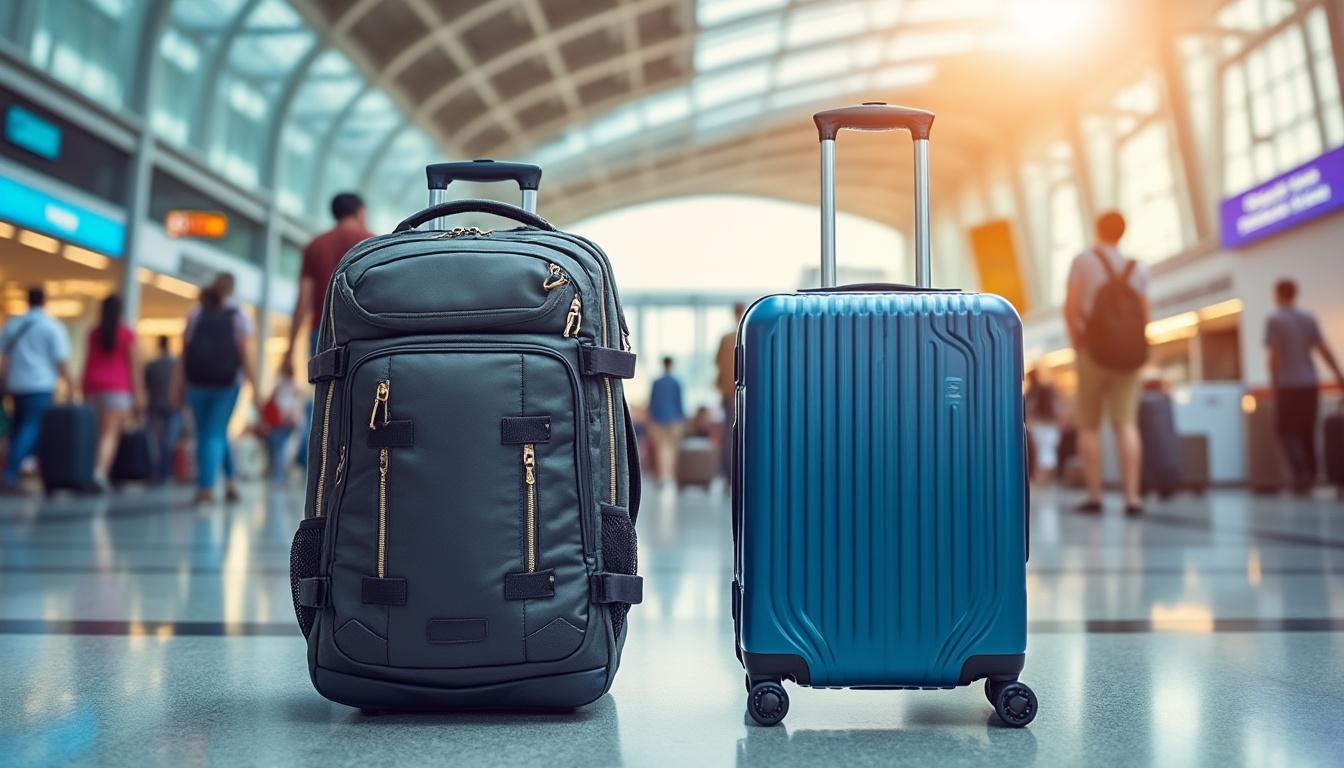
Why Backpacks Beat Carry-Ons for Modern Travelers
Travel culture in 2026 emphasizes mobility, adaptability, and smarter choices in travel gear. Across cities, trails, and airports, the case for backpacks over traditional carry-ons grows stronger because they deliver unmatched travel convenience. A backpack can transform short-haul hops, multi-destination itineraries, and urban exploration into a seamless experience, especially when the traveler values hands-free movement and nimble transit between public transport and walking routes.
Consider the fictional thread of Alex, a digital nomad who alternates between co-working spaces in Tokyo, hostels in Lisbon, and trekking camps in Patagonia. For Alex, a backpack that fits under a crowded subway seat, straps securely during a long walk, and opens with a clamshell layout for quick access to a laptop or passport is not a luxury but a necessity. That practical requirement highlights why a well-designed pack is often more versatile than a rolling bag: it merges daily commuter comfort with travel-ready features.
Backpacks also shine in varied environments. When airports are congested or bus transfers are delayed, someone carrying luggage on two wheels can be limited by stairs, uneven cobblestones, or narrow vehicle aisles. A backpack redistributes weight via a hip belt and sternum strap, enabling longer, more comfortable treks with a full load. For many travelers, that ergonomic advantage reduces fatigue and allows for carrying heavier essentials without sacrificing mobility.
Below is a concise comparison that clarifies the trade-offs at a glance. The table highlights the most relevant metrics for the contemporary traveler balancing work and adventure.
| Feature | Backpacks | Carry-Ons |
|---|---|---|
| Hands-Free Mobility | High — ideal for urban hiking | Low — requires rolling space |
| Airport Accessibility | Medium — quick access with clamshell designs | High — easy to pack like a suitcase |
| Support & Comfort | High — hip belt, sternum strap | Variable — depends on handle ergonomics |
| Weather and Terrain | Better for uneven ground and stairs | Better on smooth airport floors |
| Organization | High — multiple pockets and hidden compartments | High — often more structured inside |
That snapshot shows why backpacks are often the smarter choice for travelers who value flexibility and lightweight bags that still carry meaningful loads. Flight passengers who combine walking, public transit, and short-haul flights will notice immediate gains in efficiency. Additionally, modern packs are built with protective laptop sleeves and RFID-safe pockets, blending the best aspects of a work tote and an adventure pack.
In short, backpacks deliver unique ergonomic, practical, and security benefits tailored to contemporary travel styles. This section prepares readers for deeper guidance on capacity, features, and specific models discussed next. The essential insight: choose gear that responds to how travel is actually executed, not only how luggage is traditionally used.
Choosing the Right Capacity: Liters, Layouts, and Load Support
Understanding capacity is a cornerstone of smart packing advice. Brands typically describe backpacks by their volume in liters, and that figure determines whether a bag is best for weekend escapes, multi-week adventures, or daily commuting. For instance, backpacks around 25–30 liters suit weekend trips and city breaks. Those at 40 liters and above are tailored for longer excursions where clothing, gear, and a laptop must coexist.
Breakdowns by trip length help clarify choices. For a three-night city trip, a 25–30 liter pack can carry three outfits, toiletries, a small power bank, and a laptop. For trips longer than a week, a 40–50 liter pack becomes practical, offering space for layering, shoes, and specialized gear. These numbers also reflect trends among travelers aiming to pack lighter: many seek to remain under 40 liters to retain agility while still accommodating essentials.
Layout matters as much as capacity. Packs with a clamshell or U-shaped opening provide a bird’s-eye view of contents, simplifying organization and reducing the time spent rifling for documents. Top-loading bags can be more compressible but often require unpacking to access items near the bottom. For travel convenience and quick airport retrievals, a clamshell design is preferred.
Support features determine how comfortable a filled pack feels. Look for an adjustable hip belt, a padded back panel, and a sternum strap that redistributes weight and stabilizes the load during movement. The best backpacks integrate load-lifter straps, breathable spacer mesh, and a contoured suspension system to reduce fatigue on long walks or when traversing stairs.
A short checklist clarifies decisions and can be followed while shopping:
- Trip Duration: 18–22L for day trips; 25–30L for weekends; 40L+ for multi-day travel.
- Closure Type: Clamshell for organization; top-loader for compactness.
- Support: Hip belt and sternum strap recommended for loads over 10 kg.
- Security Features: Hidden pockets for passports and wallets, lockable zipper systems.
- Materials: Water-repellent, rip-stop fabrics for durability and longevity.
Practical examples from recent travel: a commuter who alternates work and adventure found that staying below 40 liters reduced strain on long walking days. A family traveling with kids combined a single larger backpack for shared essentials with lightweight daypacks for excursions. These real-world cases underline the need for adaptable capacity and smart internal layouts.
Finally, a nod to minimalist philosophies: adopting a strategic packing mindset often reduces required liters. Following a minimalist packing guide can help refine choices, ensuring that every liter is used intentionally. The key takeaway: balance capacity with structure and support to match the rhythm of the trip and maintain comfort throughout. This insight sets up the next section, which investigates specific top picks and how they fulfill these criteria.
Top Picks and Travel Gear Recommendations for Every Traveler
Choosing the right pack is an act of aligning intent with design. This section evaluates standout models that pair durability, organization, and comfort—elements that define top travel essentials and top picks for 2026. The profiles below synthesize expert feedback, real-world testing, and consumer value to recommend adaptable solutions for varied travel styles.
Topo Designs Rover Pack Classic earns praise for multifunctionality. With a 20-liter footprint, dual side compression, and a padded laptop sleeve, it works equally well as an everyday commuter bag or as a lightweight travel companion. Its drawstring plus exterior strap closure offers both security and quick cinching on the go. The Rover’s recycled nylon construction adds durability while remaining visually distinctive.
The North Face Borealis is a perennial favorite, known for robust materials and the FlexVent system designed to contour to the spine. At about 27 liters, it balances capacity with ergonomic comfort, featuring a laptop compartment elevated above the base to protect electronics. The Borealis demonstrates how a trail-tested bag can become an urban essential.
Matein Travel Backpack represents value: an under-$40 option packed with features like multiple compartments, a hidden shoe pocket, and a padded sleeve for laptops up to 17 inches. For budget-conscious travelers who still need secure organization, this bag is a practical choice.
Other notable picks include the Cotopaxi Allpa 28L for those who need robust weather resistance and easy cleaning, and the Osprey Fairview for long-term travel with exceptional suspension and hip-belt support. Each model addresses a different traveler profile—urban commuter, digital nomad, outdoor adventurer—and illustrates how design choices influence comfort on the move.
When selecting a model, consider these prioritized criteria: durability of materials, closure type that matches packing habits, support systems for heavier loads, and pockets dedicated to valuables. The modern traveler often looks for a hybrid: the structure of a carry-on with the mobility of a backpack. Many bags now include trolley sleeves and lockable compartments to bridge that gap.
Case study: a traveler who moved between coworking spaces and weekend hikes chose the Osprey Fairview for extended trips and the Rover Pack for daily use. This combination minimized luggage while maximizing function. Practical cross-compatibility with airline dimensions remains crucial, especially for those who want to avoid checked luggage fees and stay nimble.
For further packing strategies that complement these selections, readers can explore expert carry-on packing tips which align with choosing the right bag and optimizing internal organization. The essential insight: match the bag to the trip’s demands rather than forcing a single piece of luggage to fit every occasion.
Packing Advice and Security: Organizing for Efficiency and Peace of Mind
Efficient packing converts a well-chosen backpack into a smooth travel experience. Organizational systems—packing cubes, compression straps, and clearly designated pockets—save time at checkpoints and reduce stress during transfers. These tactics also protect fragile gear and make it easier to repack on the fly.
Start with a structured inside-out approach. Place heavy items like shoes and toiletry kits near the hip area to stabilize the center of gravity. Electronics should sit in a dedicated padded sleeve, ideally elevated from the bottom. Use smaller cubes for socks, undergarments, and chargers to avoid an avalanche of loose items when the bag is opened.
Security is a parallel concern. Hidden back pockets and lockable laptop sleeves reduce the risk of theft, and an inconspicuous color or pattern on the interior lining can dramatically speed up item retrieval. For families or long itineraries, a well-placed valuables pocket is indispensable.
Practical packing advice includes a modular approach: keep one cube for daily essentials, one for outerwear, and one for electronics and chargers. This setup allows for quick swaps when moving between planned activities. For travelers who carry photography gear or outdoor equipment, padded inserts and external webbing loops are beneficial for attachment without compromising interior space.
Security-focused travelers will also benefit from lifestyle adaptations: use a small money belt inside the hidden pocket, keep photocopies of important documents in a separate compartment, and split valuables between different bags. For more tactical safety ideas, consult posts on safeguarding money and safety practices during trips, which cover day-to-day measures and seasonal advice.
List of essential packing techniques:
- Modular packing: Separate clothing, electronics, and toiletries into cubes.
- Weight distribution: Heavy items near the hips; lightweight items at top.
- Quick-access items: Passport, boarding pass, and pen in a front pocket.
- Security layering: Hidden pocket for valuables, lockable zippers for electronics.
- Weather readiness: Compact waterproof shell or dry bag for gear protection.
Alex’s travel routine illustrates these tactics: a front pocket houses a pen and travel documents, while a clamshell main compartment stores neatly packed outfits. On rainy days, a waterproof shell stowed in the side pocket protected electronics from sudden downpours. These simple routines keep travel stress low and transit times short.
Embedding thoughtful packing systems into daily habits makes a backpack behave like a mobile home base. That practical organization yields faster transitions, fewer lost items, and a quieter mind on the road. The insight to remember: packing strategy can be as impactful as the bag choice itself in ensuring travel convenience.
Lightweight Bags, Sustainability, and Long-Term Value
Sustainability and long-term value have become core criteria for choosing travel gear. Modern travelers want packs that are both lightweight and durable, crafted from recycled or low-impact materials. Many brands in 2026 emphasize recycled nylon and polyester blends, combining water repellency with a reduced environmental footprint.
Lightweight bags reduce fatigue and promote more flexible travel patterns. A pack that saves a kilogram or two allows for extra mobility during long exploration days. A well-designed bag, constructed with rip-stop fabric and reinforced stress points, can last for years, making the upfront investment more economical over the long term.
Consider the Cotopaxi Allpa: lightweight, waterproof, and made from 100% recycled fabric. Its robust build tolerates mud, branches, and rough handling while remaining easy to clean. For travelers who regularly encounter dirt and moisture, such a bag reduces maintenance time and protects belongings, adding both practical and ecological value.
Maintenance extends longevity. Simple steps—occasional cleaning, replacing worn straps, and addressing zipper issues early—keep a pack functional for many seasons. Repairs are also often available from brands or local leatherworkers, further extending gear lifespan. Choosing a slightly higher-priced bag with a solid warranty often proves cheaper than repeatedly replacing cheaper alternatives.
Sustainable practices pair naturally with minimalist packing philosophies. A lighter, more durable bag supports the goal of carrying fewer items and choosing higher-quality essentials. For those curious about refining that mindset, guides on light packing and minimalist travel can be practical complements to a sustainable gear strategy.
Examples of traveler choices that emphasize long-term value include selecting a recycled-material backpack with a lifetime warranty, or choosing modular accessories that can be upgraded rather than replacing an entire bag. Families traveling with children may prefer rugged, easy-to-clean fabrics that survive spills and playground encounters, aligning longevity with everyday utility.
Ultimately, investing in a versatile, durable backpack supports both financial sense and environmental responsibility. The final insight: prioritize quality, repairability, and materials—these factors determine whether a bag will be a one-season purchase or a trusted companion for years of adventures.