

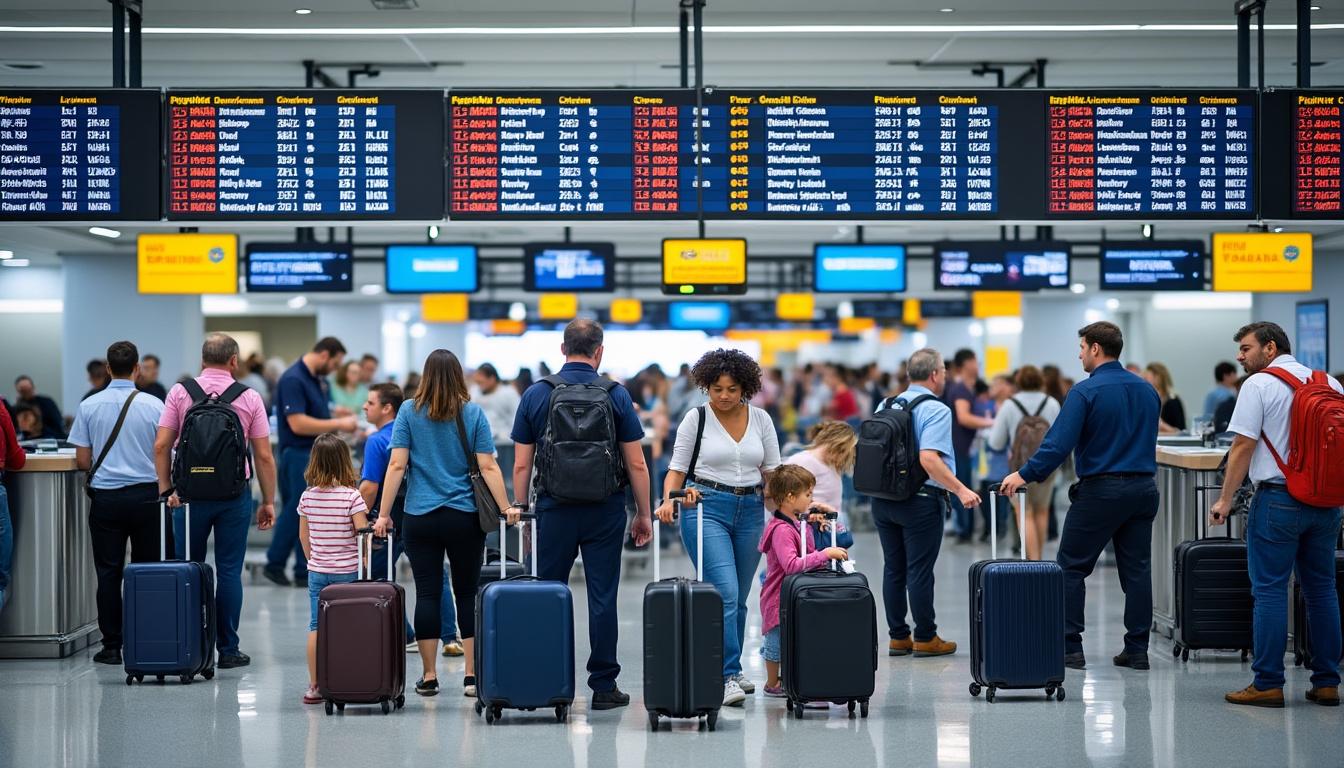
The cheap fare on the booking screen can still look fine, then the bill jumps when the suitcase gets added. That gap is getting wider as major US airlines push up baggage fees, turning a routine checked bag into a bigger line item on your travel budget. For families, long-haul flyers, and anyone who can’t pack for a week in a backpack, the change hits fast. Before the next trip goes from bargain to annoyance, it helps to know where the new costs are coming from, which carriers are moving first, and how to cut the damage.
Why US Airlines Are Raising Checked Bag Fees Now
The short version is fuel. When jet fuel rises, airlines look for places to recover money without rewriting every fare on every route, and airline fees are easier to change than base ticket prices. A bag charge can move up by a few dollars overnight, while a broad fare overhaul draws more attention and more pushback.
That matters because even a modest bump in fuel prices ripples across an airline’s network. Thousands of daily departures, heavier aircraft, cargo loads, and staffing costs stack up quickly. In that environment, a bag fee hike becomes one of the fastest ways to protect margins while keeping the headline airfare competitive enough to win searches on Google Flights and airline apps.
There is also a psychological reason. Travelers compare ticket prices first and baggage policies second, so carriers know many people will still book the same flight and deal with the luggage charges later. It is not a new playbook, but in 2026 it is becoming more visible because fee changes are landing across the market, not just at one or two airlines.
Why The Ticket Price May Look Unchanged
A lot of travelers will notice the same pattern: the seat looks affordable, then the total flight expense climbs at checkout. Airlines can keep the advertised fare steady while shifting more of the real cost into extras such as checked luggage, seat selection, and early boarding. For budget-conscious travelers, that makes comparison shopping harder than it should be.
Anyone watching oil markets has seen this coming. Rising energy prices have been feeding broader airfare pressure for months, and the knock-on effect on add-ons is no surprise. Readers tracking that trend may want a closer look at how oil prices are shaping flight prices before booking spring and summer trips.
The result is simple: a fare that looks manageable on Tuesday can feel different by the time one standard suitcase is added on Friday night.
Those added costs aren’t identical across the board, though. Some carriers are nudging fees up in smaller steps, while others are making the jump obvious the minute the baggage screen appears.
How Much A Checked Bag May Cost On Major US Airlines
The new range is wide enough to punish anyone who books on autopilot. In general, a first checked suitcase now lands around $39 to $50, especially on large domestic carriers, while a second one often starts near $55 and keeps climbing. A third suitcase can get painful fast, with some airlines pushing that charge toward $200.
The real sting often comes from timing. Pay online during booking or in the app before reaching the airport, and the charge may be lower by around $5 to $10 per bag. Wait until the check-in desk, and the same suitcase can cost more for no extra service, no extra space, and no mercy from the kiosk.
That is where many travelers get caught. A couple heading to Miami for four nights may shrug at one bag, but a family of four flying to Orlando with strollers, shoes, and warm-weather clothes can watch travel costs jump before security. The fare did not change. The out-of-pocket total did.
| Bag Type | Typical 2026 Price Range | What Often Changes The Price |
|---|---|---|
| First checked bag | $39 to $50 | Prepay online versus paying at the airport |
| Second checked bag | $55 and up | Route, fare type, elite status, card perks |
| Third checked bag | Up to $200 | Airline policy and oversize or heavy restrictions |
Which Airlines Are Part Of The Fee Increase Trend
Several big names are already moving in the same direction: American, Delta, United, JetBlue, and Southwest have all been part of the broader rise in baggage pricing. The details vary, but the pattern is hard to miss. Some have lifted first and second bag costs by about $10, while others adjust charges depending on route or travel period.
Southwest stands out because its baggage policy used to feel like a protective bubble in the domestic market. Even there, travelers are paying closer attention now, because what once looked fixed in airline pricing no longer feels permanent. That shift says plenty about where the industry is heading.
Honestly, this is the part many travelers underestimate. They compare one airfare against another, choose the lower number, and only later realize the cheaper option came with a steeper baggage bill tied to the reservation code.
There are still gaps in the system, and frequent flyers know exactly where to look for them.
Who Can Still Avoid Airline Fees And Who Usually Pays Full Price
Not every passenger gets hit with the standard charge. Free checked luggage still shows up for some frequent flyer members, co-branded credit card holders, active military travelers, and passengers booked in higher fare classes. If there is one rule worth remembering, it is this: never assume the baggage screen tells the whole story until the loyalty benefits are checked.
Airline credit cards remain one of the cleanest ways to dodge a fee on domestic trips, especially for travelers who fly the same carrier a few times a year. One free suitcase for the cardholder, sometimes extended to companions on the same booking, can erase the annual fee quickly. The catch is obvious: these cards only pay off if the airline is used often enough.
Premium economy, business class, and some flexible fares also include luggage in the ticket. That does not always make them a better buy, though. On many domestic routes, paying a higher fare just to avoid a basic suitcase charge is a bad deal unless seat comfort, schedule, or same-day flexibility matters too.
- Most likely to avoid the fee: elite frequent flyers, airline card holders, active military members, and premium cabin passengers.
- Most likely to pay full price: occasional travelers booking basic or standard economy with no airline status.
- Most common mistake: assuming a prior trip’s baggage allowance still applies this year.
A traveler flying twice a year to visit family in Phoenix may not need another credit card. A consultant bouncing between Chicago and Dallas every month probably does. The value depends less on the airline’s marketing and more on the pattern of travel.
For anyone trying to lower the full trip total, the smart move is to treat baggage as part of the fare from the start, not as an afterthought. That same mindset helps with hotels, transfers, and booking windows, and it lines up with these budget travel tips and extra travel hacks that save money when prices start creeping up.
How To Cut Luggage Charges Before Your Next Flight
The easiest way to beat higher luggage charges is still the least glamorous one: pack less. That sounds obvious, but most people do not lose money on giant trunks anymore. They lose it on one medium roller packed with five pairs of shoes, full-size toiletries, and clothes for scenarios that never happen.
Prepaying for luggage is the next easy win. If the airline offers a lower online rate than the airport counter, buy the allowance as soon as plans are fixed. It is not exciting, but saving $5 to $10 each way on one bag means a round-trip couple can keep enough cash for dinner near the hotel rather than handing it over at check-in.
Then comes airline comparison. Two fares that look almost identical can end up far apart once baggage rules are layered in. One carrier may charge for the first suitcase and the carry-on, another may include one of them, and a third may waive the fee with a card already sitting in the wallet.
Packing Moves That Make A Real Difference
There is no need for military-grade folding systems. A few practical habits usually do the job better than social media packing theatrics.
- Choose one pair of versatile shoes and wear the bulkiest pair on the plane.
- Use travel-size toiletries or buy basics on arrival for longer stays.
- Build outfits around one color base so fewer items do more work.
- Weigh the suitcase at home if the airline is strict on heavy bags.
- Check whether a carry-on plus personal item can replace the suitcase altogether.
For longer trips, smart packing matters even more than fee timing. Anyone heading overseas or trying to stretch one bag across multiple stops should read these long-haul packing strategies and avoid the classic mistakes covered in common packing pitfalls.
One last point deserves more attention than it gets: baggage costs are now part of trip planning in the same way seat choice and airport transfers are. Ignore them, and the fare search lies a little. Build them in early, and the cheapest flight on the screen may stop looking like the best deal before the next boarding group is called.